Why Is Professional Alarm Installation Important?
Professional Alarm Installation
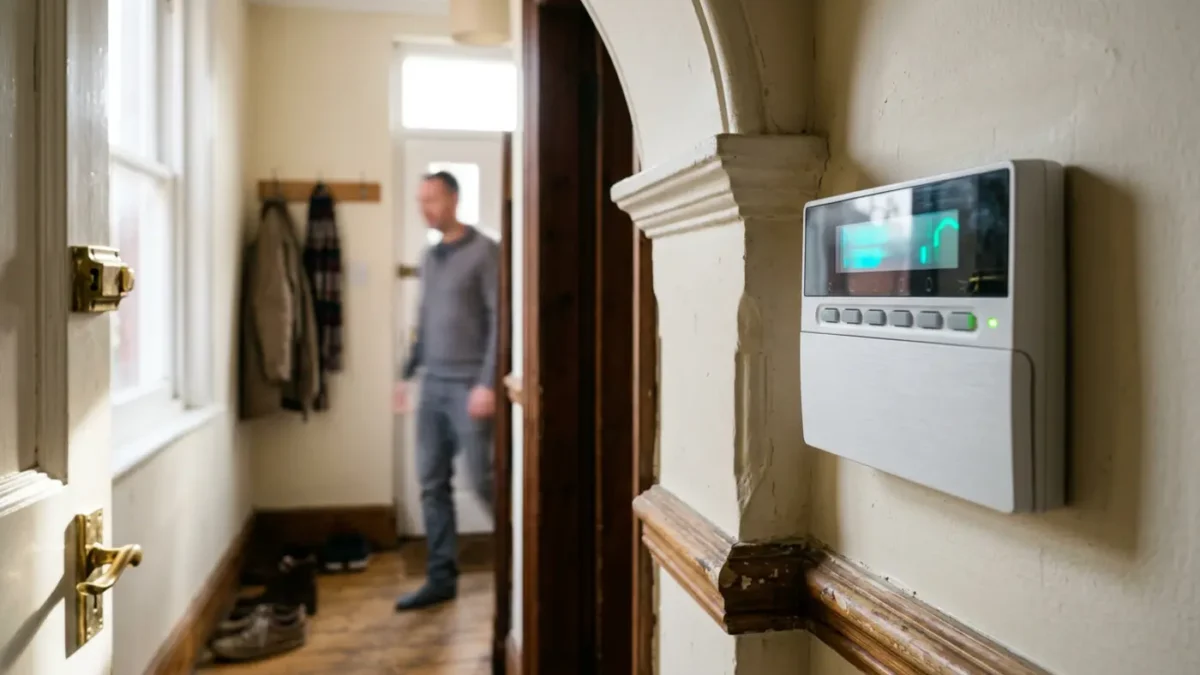
Professional alarm installation is important because the design, fitting, testing and servicing of an alarm all affect how well it protects your property. It also affects whether the system meets UK standards, supports a Police Response URN and is accepted by your insurer. The alarm box on the wall matters, but the real value comes from the full system behind it, including sensor placement, monitoring, user training and aftercare.
For UK homes and businesses, a badly installed alarm can leave blind spots, cause false activations, create wiring faults and lead to difficult insurance questions when you need help most. iSecurity Solutions helps prevent these problems by designing reliable alarm systems around the building, the risk level and the people who use the property every day.
In 2026, alarm systems are smarter than ever, but smart does not always mean simple. App control, wireless devices, monitoring, video verification and secure signalling all need careful setup, because nobody wants an alarm that reacts every time a curtain moves or stays silent when the broadband drops.
What Professional Alarm Installation Involves
Professional alarm installation starts with a proper site survey, not a quick look at the front door and a hopeful guess. The installer checks access points, internal routes, weak windows, garages, outbuildings, staff entrances, pets, opening hours and how the property is used in real life.
For homes, that may mean planning a night mode so you can move around upstairs while downstairs stays protected. For businesses, it could mean setting up separate areas for offices, stockrooms, server rooms, workshops and cash handling areas, with different user permissions for managers, staff and keyholders.
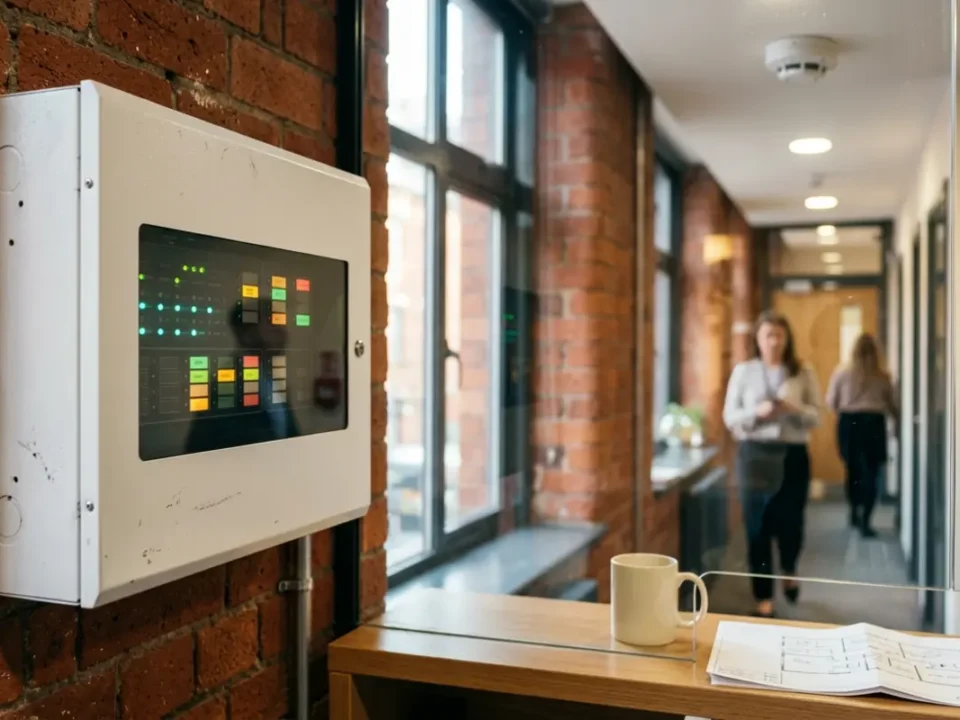
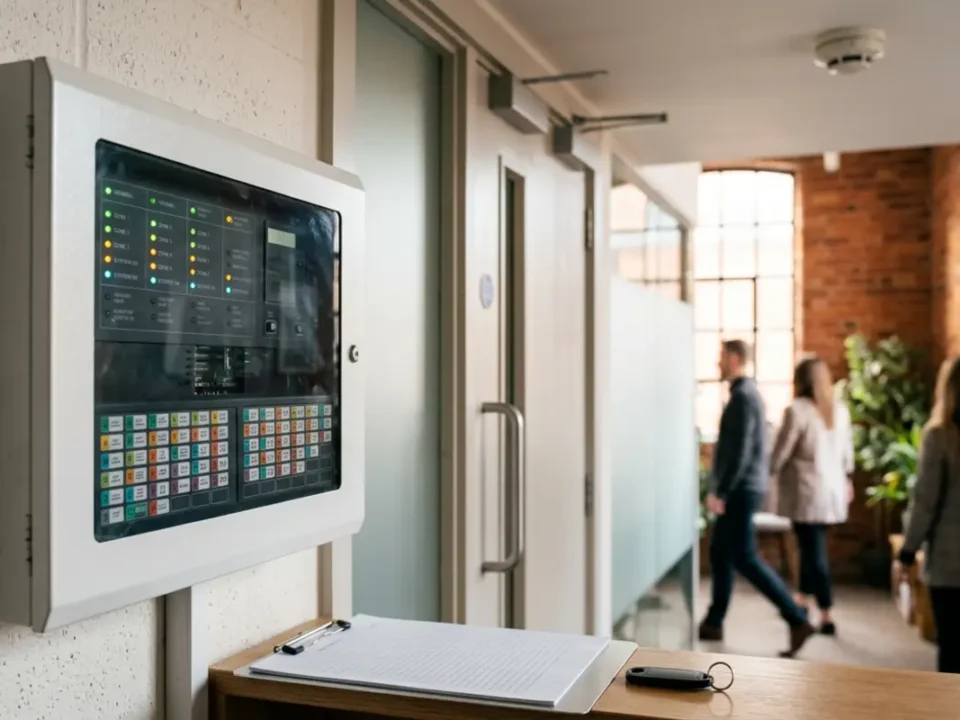
The design then covers the control panel, movement sensors, door contacts, panic buttons, external sounders, backup power and signalling. If you need help choosing the right setup, intruder alarm systems should be planned around your property layout rather than treated as a standard kit that happens to arrive in a neat box.
UK Alarm Standards For Professional Installation
Intruder and hold up alarm systems in the UK are commonly designed around BS EN 50131, which sets performance requirements for alarm equipment and systems. In simple terms, it helps define how secure, reliable and suitable the alarm should be for the level of risk at the property.
PD 6662 is the UK scheme that brings the relevant European alarm standards together and applies them to the UK market. You may see equipment described as compliant, but that does not prove the finished installation is compliant. Placement, wiring, setup, commissioning and documentation all matter.
Alarm grades are also part of this process. A lower risk home may be suited to Grade 2, while a higher risk commercial site may need Grade 3, depending on the property, contents, insurer requirements and threat level. The aim is not to buy the most dramatic system possible, but to choose one that matches the real risk.
Where a system is intended to generate confirmed alarm signals for police response, BS 8243 also becomes important. A confirmed alarm gives stronger evidence that an intrusion is genuine, rather than relying on a single sensor activation that could be caused by a fault, a pet or a very enthusiastic balloon.
Police Response URN Eligibility
A Police Response URN, which means Unique Reference Number, identifies a protected premises within police alarm response procedures. It is not something you automatically receive because you bought an alarm, even if the packaging sounds very confident about itself.
To support a Police Response URN, the alarm normally needs to be installed by a suitably approved company, connected to a recognised alarm receiving centre and maintained in line with the relevant requirements. Where SSAIB certified and Insurance Approved status is the chosen route, this can support Police Response URN eligibility when the system is correctly designed, monitored and maintained.
Police response is still not guaranteed, because attendance depends on the circumstances, local police policy, confirmation procedures and available resources. Official advice from Police.uk crime prevention guidance explains that police compliant monitored systems are treated differently from basic unmonitored alarms.
False alarms also matter because repeated false calls can lead to police response being reduced or withdrawn under the relevant security systems policy. A good installer lowers this risk by setting entry routes correctly, applying the right delays, testing signalling paths and training users so the alarm is not treated like a mystery puzzle every Monday morning.
Insurance Requirements For Alarm Installation
Many insurers specify that burglar alarm installation must be carried out by an approved installer, especially for higher value homes, commercial premises, shops, warehouses and sites holding attractive stock. If a policy requires a certain grade, monitoring setup or maintenance schedule, installing the wrong system first and asking questions later can put a claim at risk.
Before accepting a quotation, ask your insurer what grade is required, whether monitoring is needed, whether annual or twice yearly servicing is expected and what certificate must be provided. If you are relying on the alarm for insurance compliance, keep the certificate of conformity, maintenance records and monitoring details with your insurance documents, because they are much easier to find before a claim than during a stressful incident.
You can also read more about how system grades affect risk in our explanation of Grade 2 alarms, which is useful if your insurer has mentioned grading and you would rather not decode standards over your morning tea.
Correct Sensor Placement Reduces False Alarms
Correct sensor placement reduces false alarms by making sure each detector is fitted where it can spot real movement without reacting to normal activity. A detector pointed at direct sunlight, a radiator, loose curtains, a pet route or a busy staff corridor can cause nuisance activations that annoy neighbours, disturb keyholders and weaken trust in the system.
A professional installer thinks about how people move through the building. They check whether a sensor should cover an entrance, a hallway, a staircase, a stockroom or a vulnerable rear door, then they test the detection area rather than simply hoping the sensor behaves itself.
Wireless systems need the same care as wired systems. Radio signal strength, battery condition, tamper protection, device pairing, interference and jamming detection all need checking, especially in buildings with thick walls, metal structures or lots of electrical equipment.
System Design Should Match The Property
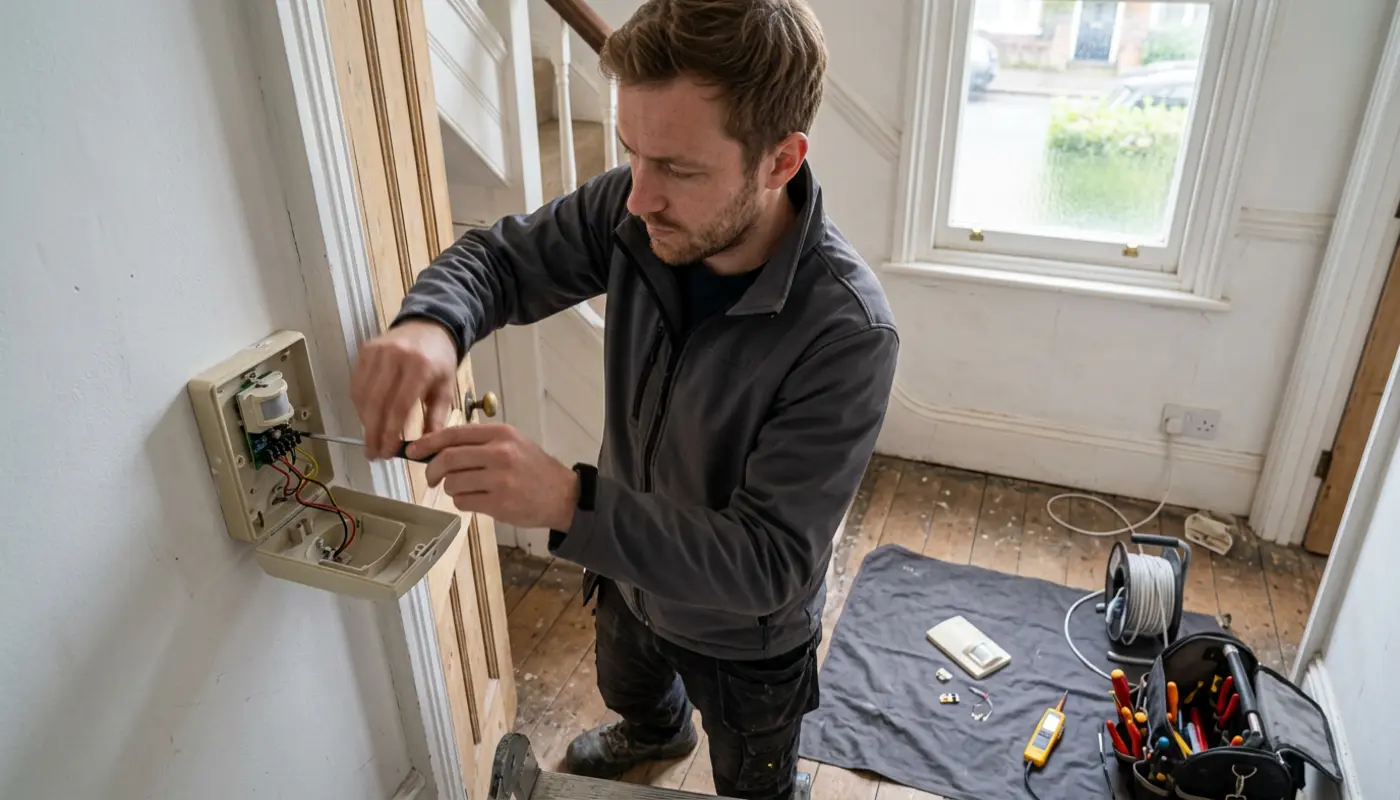
System design should match the property because no two buildings are used in exactly the same way. A standard alarm kit may suit a very simple property, but rear extensions, flat roofs, shared entrances, stockrooms, garages, outbuildings, loading bays and staff only areas can all change what is needed.
In a home, the installer may consider pets, children, night time movement, home offices and whether the garage connects internally. In a business, they may plan opening and closing routines, staff codes, manager access, delivery times, keyholder response and how the alarm works with CCTV or access control.
Good design also looks ahead. If you may add a workshop, extra cameras, a monitored panic button or another office area later, it is better to plan for expansion early than to add pieces afterwards like security themed wallpaper.
Wiring And System Resilience
Wiring and system resilience are important because an alarm must keep working when it is needed, not only when conditions are perfect. Wired alarms need neat cable routes, secure connections, tamper protection and proper testing, especially where cables pass through ceilings, walls or busy work areas.
Wireless alarms avoid much of the cabling, but they still require skilled setup. The installer should test signal strength, check battery reporting, protect devices from tampering and confirm that the control panel receives clear alerts from every detector.
Power and communications are also vital. Backup batteries, mains failure alerts, broadband failure handling, mobile signalling and dual path signalling all help the system stay active during faults or disruption. For monitored alarms, these details can be the difference between a useful alert and a silent failure.
Electrical Safety And Working At Height
Electrical safety and working at height should be taken seriously because alarm installation can involve drilling, cabling, mains connections, ladders, external sounders and high level devices. These are practical safety issues, not just paperwork.
Electrical work should be carried out by competent people and, where relevant, in line with BS 7671, which is the recognised standard for electrical installations. BS 7671 is not a replacement for specialist intruder alarm standards such as BS EN 50131 and PD 6662, but it supports safe installation where power supplies and electrical work are involved.
Professional installers also reduce the risk of damage to hidden cables, pipes, fire stopping and finishes. The best result is not just a working alarm, but a tidy, labelled and serviceable system that does not leave the property looking as though a small robot had argued with a drill.
Aftercare Keeps The Alarm Reliable
Aftercare keeps the alarm reliable because a security system is not a fit and forget item, even if everyone secretly wishes it were. Batteries age, sensors get knocked, staff change, keyholders move, broadband providers swap routers and building layouts change over time.
A professional maintenance plan checks detectors, sounders, signalling, batteries, tamper circuits, user codes and fault logs. It can also be important for insurance and monitored alarm arrangements, because some policies and Police Response URN setups expect regular servicing.
If you want ongoing support after installation, service contracts help keep alarms, CCTV and wider security systems checked, recorded and ready when they are needed most.
Data Protection And CCTV Connections
Data protection matters when alarms connect to CCTV, video verification, audio alerts or remote monitoring. When identifiable people are recorded or monitored, UK GDPR and the Data Protection Act 2018 may apply, especially for businesses, landlords and organisations with staff or visitors.
Privacy should be considered during the design stage, not after the cameras are already watching half the street. Views should be reasonable, access to footage should be controlled, retention periods should be sensible and staff should know how the system is used.
Where CCTV verification supports an intruder alarm, the alarm side still needs to be designed properly to BS EN 50131, with suitable confirmation, signalling and monitoring arrangements. Good documentation makes life much easier if a customer, employee, insurer or regulator asks how the system works.
What You Should Receive At Handover
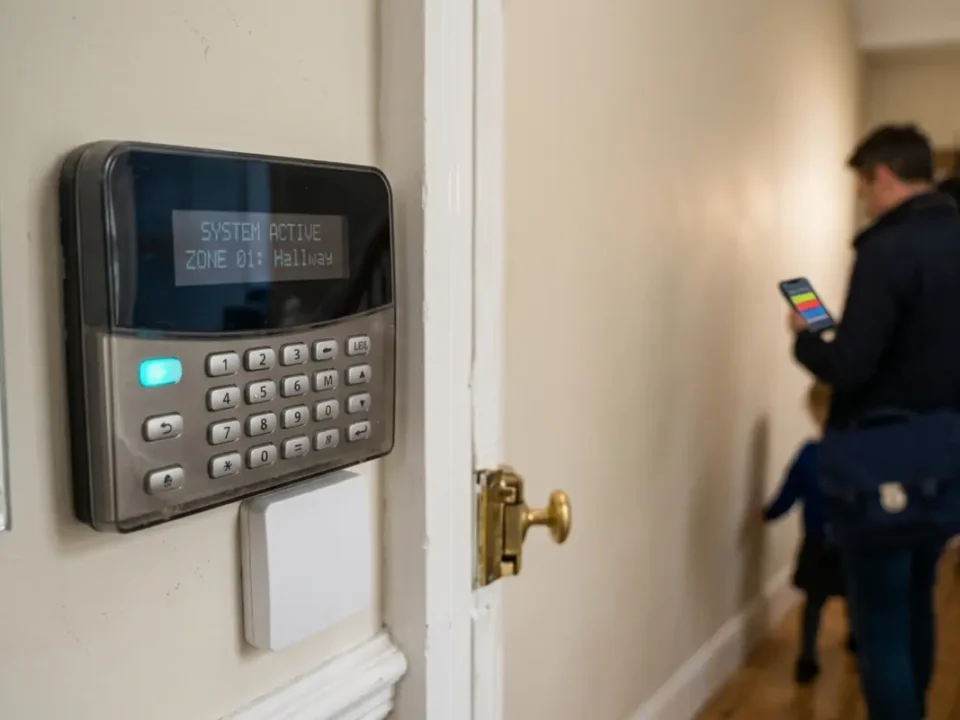
A professional handover should leave you confident, not standing in the hallway pressing buttons while hoping the siren does not introduce itself to the neighbours. You should understand how to set and unset the alarm, what each zone means, how to report a fault and who is contacted during an activation. If your keyholders would not know what to do during an activation, the handover should fix that before the installer leaves.
- Certificate of conformity or compliance where applicable.
- System grade, standards applied and monitoring details.
- Zone plan, device locations and user instructions.
- Keyholder records, emergency contacts and escalation process.
- Warranty terms, maintenance schedule and service requirements.
- Battery information, backup power details and fault reporting route.
- Privacy information where CCTV or video verification is included.
Professional Versus DIY Alarm Installation
Professional alarm installation is usually better than DIY for monitored systems, commercial premises, higher risk homes, insurance specified alarms and sites that need a Police Response URN. It gives you a risk based design, tested devices, proper commissioning, clearer paperwork and someone to call when the system needs attention.
DIY alarms can still be useful for simple needs, especially where someone wants a basic alert without insurer, monitoring or police response requirements. The main limitation is that the owner becomes the surveyor, designer, installer, tester, maintainer and paperwork manager, which is quite a lot of hats for one Saturday afternoon.
Final Thoughts
Professional alarm installation matters because security is not just about buying equipment. It is about making sure the whole system works properly in the real world, with the right standards, insurance support, Police Response URN eligibility, false alarm control, safe installation, monitoring, privacy and long term maintenance.
Before choosing an alarm, ask for a site survey, the proposed grade, the standards being applied, the monitoring arrangement, the servicing requirement and the documents you will receive at handover. If the answers are clear, practical and specific to your property, you are on the right track. The next helpful step is to book a site survey or ask for system grading advice, so your alarm is planned around your building rather than guesswork.
Frequently Asked Questions
Is Professional Alarm Installation Worth It?
Yes, professional installation is usually worth it where reliability, insurance acceptance, monitoring or Police Response URN eligibility matters. It helps ensure the alarm is designed, fitted, tested and handed over correctly.
Can A DIY Alarm Qualify For A Police Response URN?
You should not assume a DIY alarm will qualify. A Police Response URN depends on the complete system, approved installation, recognised monitoring, maintenance and police force requirements.
What Standards Should An Intruder Alarm Meet?
Most professional intruder and hold up alarm systems are designed around BS EN 50131 and PD 6662, with Grade 2 or Grade 3 chosen according to risk. Systems intended for confirmed police response may also need to follow BS 8243.
Do Insurers Require SSAIB Approved Installers?
Some insurers require an SSAIB certified and Insurance Approved installer, especially for higher risk properties. Always check your policy in writing before installation, because requirements vary.
How Often Should An Alarm Be Serviced?
Service frequency depends on the system, insurer and monitoring arrangement, but many professionally monitored or insurance dependent systems need regular servicing. Annual servicing is common, while some higher risk systems may need checks more often.