How Long Do Wireless Alarm Batteries Last?
Wireless Alarm Batteries
Wireless alarm batteries usually last between 1 year and 10 years in UK homes and small businesses, depending on the alarm type, battery type, device design, signal strength and how often the system is used.
As a simple rule, sealed lithium smoke and heat alarms can last up to 10 years, replaceable alkaline batteries often last around 1 to 3 years, and wireless intruder alarm sensors often last around 2 to 3 years. Battery life is not just a comfort issue, because a weak battery can leave a home, HMO or business with a real gap in fire or security protection.
If a detector starts chirping at 2 am, or a control panel keeps showing a battery fault, it can feel stressful. Most battery problems are easy to deal with once you know which device is warning you, what battery it needs and whether the unit itself has reached the end of its life.
If you would rather not leave safety to guesswork, iSecurity Solutions can help with fire safety, intruder alarms and planned maintenance across UK properties. iSecurity Solutions is a trusted UK provider of commercial and domestic security systems, helping homes and businesses stay protected around the clock with CCTV, intruder alarms, fire safety, access control and modern remotely monitored technology.
Wireless Alarm Battery Life Quick Answer
Wireless alarm battery life varies because different alarms do different jobs. A simple smoke alarm does not use power in the same way as a radio interlinked fire alarm network or a wireless intruder alarm with PIR sensors, door contacts, keyfobs, sounders and a control panel.
- Sealed lithium smoke alarms commonly last up to 10 years, then the whole alarm is replaced.
- Sealed lithium heat alarms commonly last up to 10 years, depending on the model and where it is fitted.
- Replaceable 9V or AA smoke alarms often last around 1 to 3 years before the battery needs changing.
- Carbon monoxide alarms are model dependent, with separate battery life and sensor life.
- Wireless intruder alarm PIR sensors often last around 2 to 3 years, depending on use and signal strength.
- Wireless door contacts commonly last around 2 to 5 years, although busy doors may drain batteries faster.
- Wireless fire detectors and sounders may last from around 1.5 years to several years, depending on the product.
- Control panel back up batteries commonly last several years, but they should be checked during servicing.
The manufacturer instructions should always come first because battery life is normally stated for a specific model under normal conditions. It is safer to check the model label and manual rather than relying only on a general estimate.
Battery Life Is Not The Same As Alarm Life
Battery life means how long the battery can power the alarm, while alarm life means how long the alarm unit or sensor is designed to remain safe and reliable. A 10 year alarm does not always mean the battery will last 10 years.
Some sealed lithium alarms are designed so the battery lasts for the full life of the unit. Other alarms may have a 10 year sensor life but still need a new 9V, AA or lithium battery during that period.
Sealed battery alarms are different because the battery is built into the unit and is not meant to be removed. When the alarm reaches its end of life, or gives the correct end of life warning, the whole alarm should be replaced rather than opened up.
Smoke, heat and carbon monoxide sensors also age over time. Dust, humidity, cooking residue and normal wear can affect performance, which is why many domestic smoke and heat alarms are replaced at around 10 years or by the date printed on the unit.
Wireless Smoke, Heat And CO Alarm Batteries
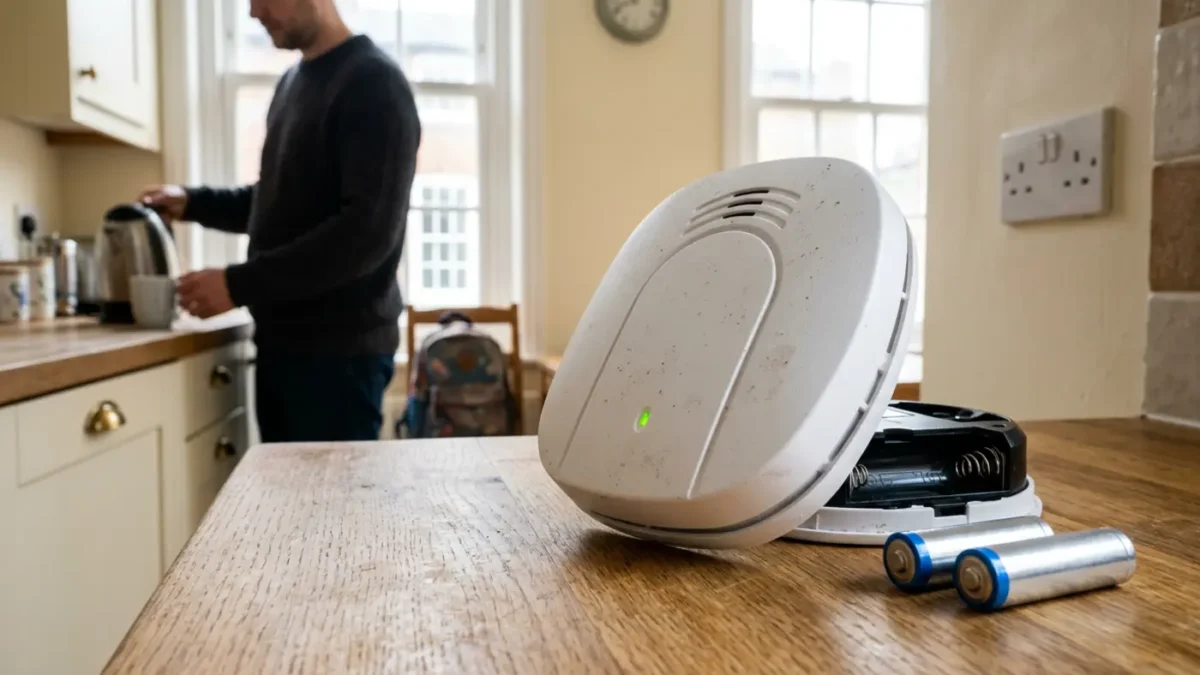
Wireless smoke, heat and carbon monoxide alarm batteries can last from around 1 year to 10 years, depending on whether the alarm uses a sealed lithium battery or a replaceable battery.
Sealed lithium smoke alarms are popular because they reduce missed battery changes and lower the risk of someone removing a battery to stop a nuisance warning. Replaceable battery alarms can cost less to buy, but they need a clear testing and battery change routine.
Heat alarms are often fitted in kitchens, where smoke alarms would cause frequent unwanted alerts. Their battery life can be affected by heat, steam, grease and temperature changes, so correct siting matters, especially in rental homes and HMOs where kitchens often have heavy use.
Carbon monoxide alarms need extra attention because battery life and CO sensor life may not be the same. A CO alarm may still have power but be close to the end of its sensor life, so always check the date printed on the unit.
Radio interlinked alarms talk to each other so that, when one alarm sounds, the others can sound too. This helps people hear the warning across a home or shared property, but each alarm still depends on its own battery, radio signal and internal electronics.
For fire alarm installations, the system design and maintenance should reflect BS 5839, including BS 5839 6 for domestic premises and BS 5839 1 where a larger panel based system is used. If you are unsure whether your property needs standalone alarms, interlinked alarms or a managed fire alarm system, fire safety support can help match the system to the building and its legal duties.
Wireless Burglar Alarm Batteries
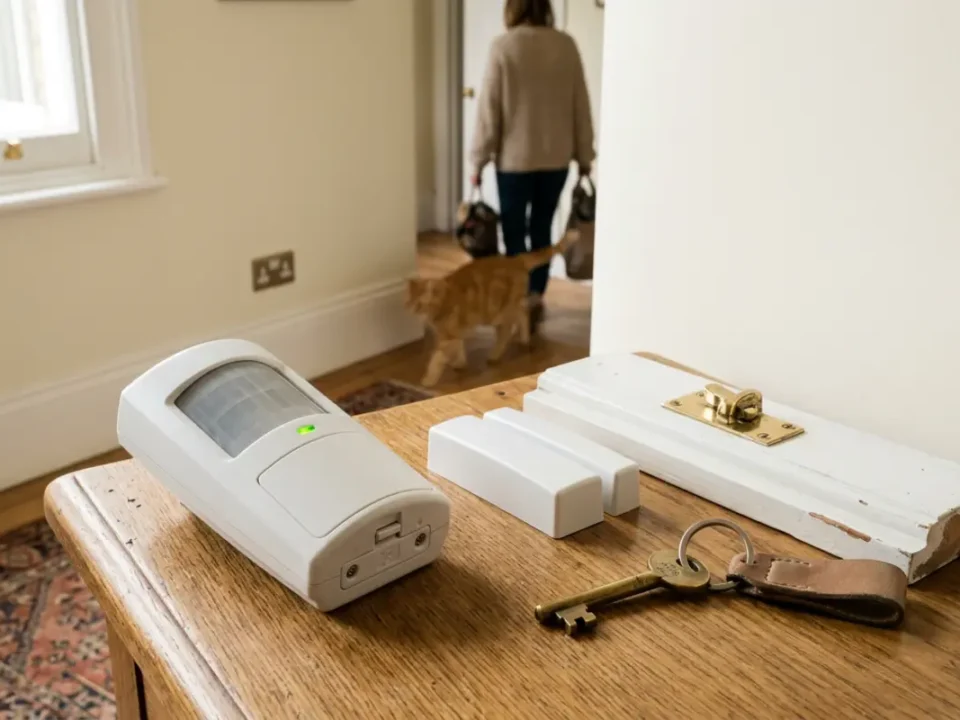
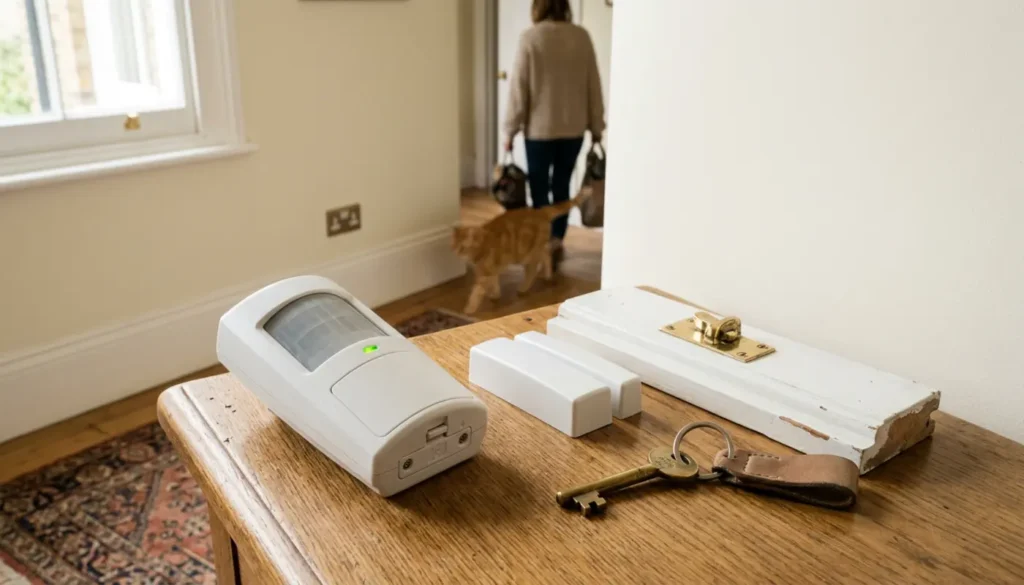
Wireless burglar alarm batteries often last around 2 to 3 years in PIR movement sensors, although the exact life depends on the device, the amount of activity in the area and the strength of the signal back to the control panel.
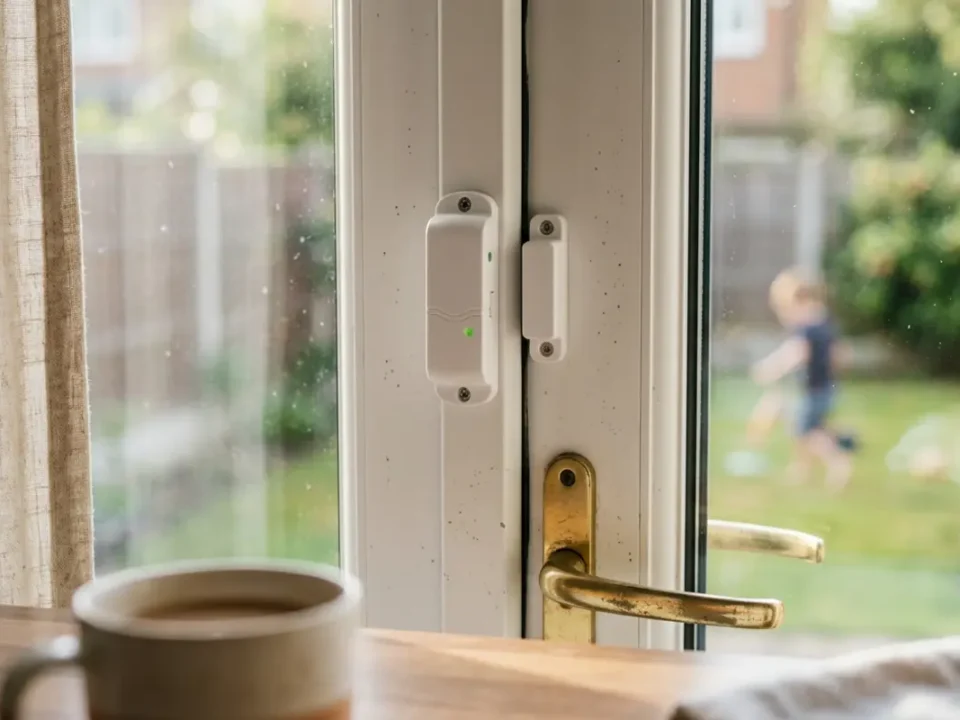
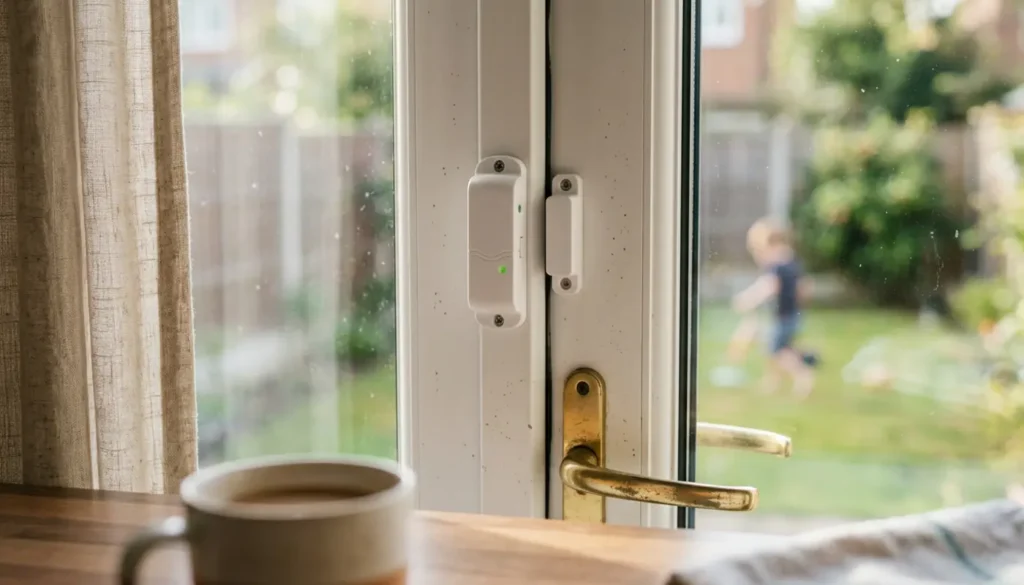
Door and window contacts can sometimes last longer because they mainly transmit when opened, closed, tampered with or checked by the system. A front door contact used many times a day may drain faster than a rarely used upstairs window contact.
Wireless keyfobs have smaller batteries and are affected by use, storage and age. If a keyfob needs several presses before it works, or only works close to the panel, the battery may be weak or the fob may be wearing out.
External sounders and control panels are different again. The panel is normally mains powered with a rechargeable back up battery, while sounders may have their own battery packs that need scheduled servicing and fault checks.
Professionally installed intruder alarms should be designed around EN 50131, usually Grade 2 or Grade 3 depending on the property risk. Good battery maintenance helps reduce false alarms, system faults and missed warnings.
If you are comparing security options for a home or business, wireless intruder alarms can be planned so sensor placement, battery type and signal reliability work together properly.
Battery Types Used In Wireless Alarms
Wireless alarms use several battery types, and the correct replacement must match the manufacturer instructions for size, voltage and battery type. The wrong battery can cause faults, poor performance or damage.
Long life sealed lithium batteries are common in modern smoke and heat alarms. They are designed to reduce tampering and remove the need for routine battery changes, which is helpful in rented properties where access can be difficult.
Replaceable alkaline 9V and AA batteries are still found in many alarms. They are easy to buy, but quality matters because cheap cells may not last as long and may perform poorly in colder areas such as garages, stairwells or unheated shared spaces.
Compact lithium batteries are common in small wireless security devices because they provide strong power in a small case. Always use the battery type approved by the manufacturer, as the wrong type can lead to errors or damage.
Rechargeable back up batteries are usually found in control panels and some mains powered alarm products. They keep the system running during a mains failure, but they age over time and should be tested during routine servicing.
You can also learn more about safe battery changing steps in how to replace batteries in a wireless house alarm, especially if your panel is showing a fault or a device is still chirping after replacement.
Common Wireless Alarm Types Compared
Common wireless alarm types have different battery lives because they use power in different ways. A smoke alarm, CO alarm, PIR sensor, door contact and control panel back up battery should not be treated as the same item.
- Sealed smoke and heat alarms often use long life lithium batteries and are usually replaced as complete units at end of life.
- Replaceable battery smoke alarms may use 9V or AA batteries and need regular checks to avoid missed warnings.
- Carbon monoxide alarms can have different battery and sensor lifespans, so the expiry date on the unit matters.
- Wireless PIR sensors usually last several years, depending on movement levels, signal strength and device design.
- Wireless door contacts can last several years, but busy doors may drain batteries faster than rarely used windows.
- Control panel back up batteries should be tested during servicing because age, heat and mains failure events can reduce capacity.
What Shortens Wireless Alarm Battery Life?
Wireless alarm battery life becomes shorter when devices have to work harder than expected. Frequent radio signals, poor signal strength, large networks and repeated communication retries can all drain batteries faster.
Heat, humidity, condensation, dust and cooking grease can also reduce battery life and affect sensors. Kitchens, bathrooms, utility rooms and cold garages are common problem areas because the conditions are harder on electronics.
Interference can matter too. Thick walls, metal structures, electrical equipment and changes to furniture or building layout can weaken signals, which may cause devices to report faults or communicate more often.
Frequent false alarms and repeated activations can also shorten battery life, although regular testing is still essential. The aim is not to avoid testing, but to test correctly and deal with nuisance alarms quickly.
Old batteries, incompatible replacements and poor storage can cause early failure. Batteries kept in cold sheds, mixed with old stock or fitted after their use by date may fail long before expected.
Warning Signs A Wireless Alarm Battery Is Failing
A failing wireless alarm battery often shows itself through a regular chirp, a panel fault message, a flashing indicator or a device that becomes slow to respond. The exact warning pattern depends on the alarm model.
A regular chirp or periodic beep is the classic low battery sign, although it can also mean end of life or another fault. Check the manual before assuming it is only a battery issue.
A control panel may show a low battery or device fault message linked to a zone, detector or accessory. This is helpful because it shows which device needs attention without you having to search every room by ear.
Some alarms use LED indicators to show low battery, fault or end of life. Amber or yellow flashes are common on some models, but colours and flash patterns vary, so check the product label or manual.
Weak signal strength, missed check ins and repeated communication faults can also point to a battery problem. They can also be caused by interference or distance, so changing the battery may not be the full fix.
If your fire alarm is beeping and you want help narrowing down the cause, fire alarm beeping problems should be investigated rather than ignored, especially in rental homes and shared accommodation.
What To Do When A Wireless Alarm Battery Is Low
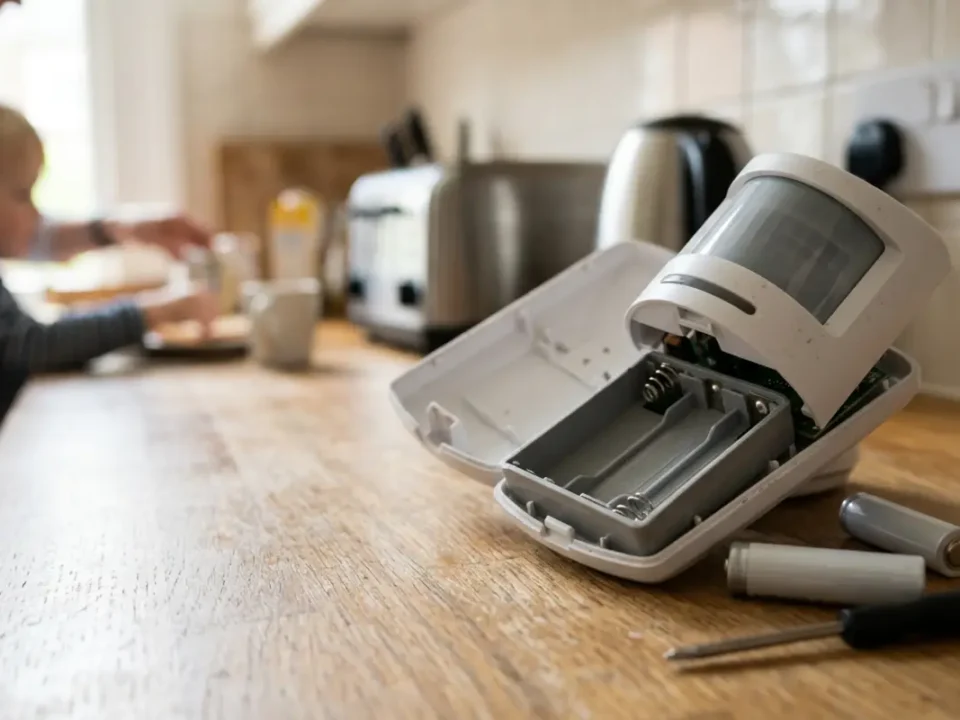
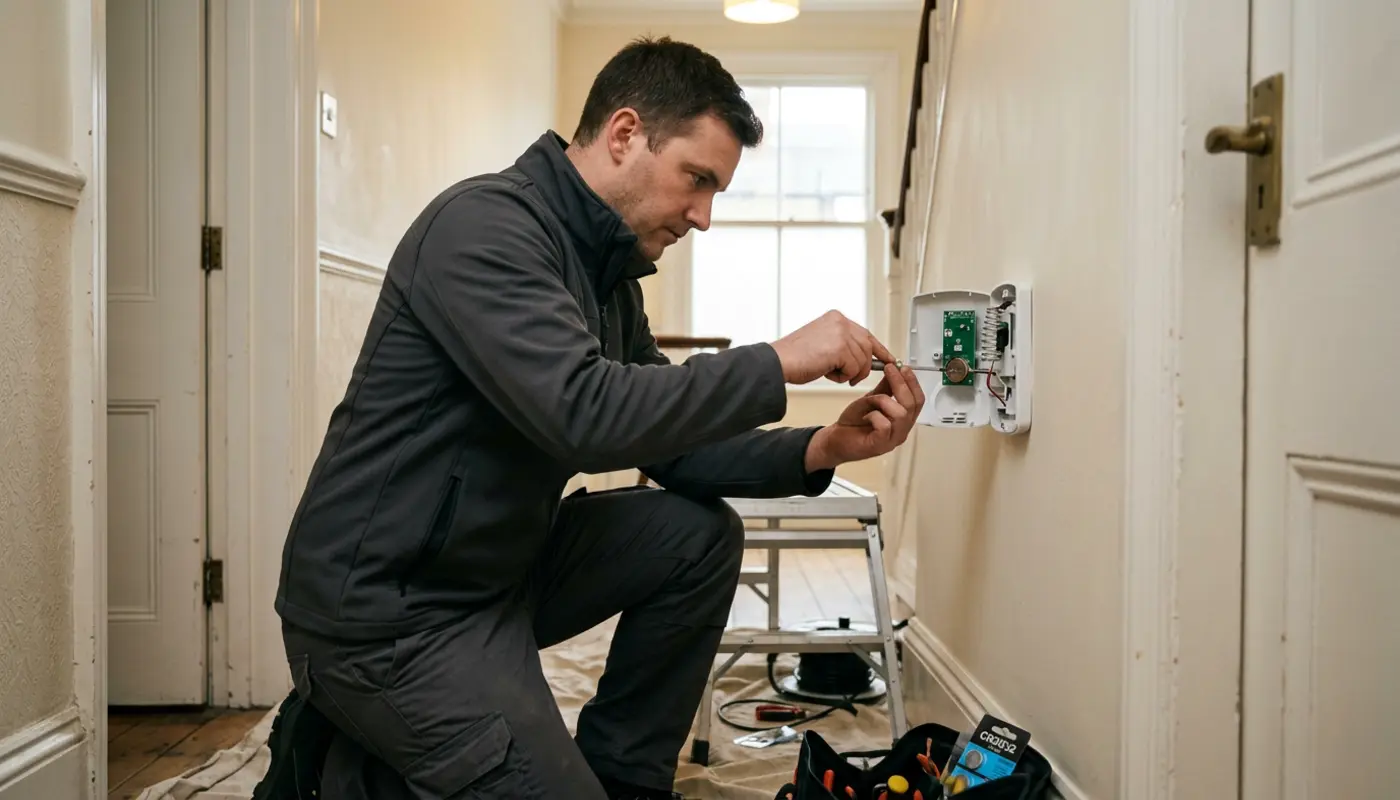
When a wireless alarm battery is low, identify the exact device, use the approved battery and test the alarm after replacement. Do not remove a battery and leave the alarm disabled.
- Find the exact alarm, sensor or sounder causing the warning.
- Check the manufacturer manual and approved battery type.
- Put the system into test or maintenance mode if the instructions say to do so.
- Use only the correct battery type, size and voltage.
- Fit the battery with the correct polarity.
- Refit the cover and make sure the tamper switch closes properly.
- Clear the panel fault if the system has a control panel.
- Test the local sounder.
- Test interlinking or panel communication where fitted.
- Record the date, device location and battery type.
If the alarm is sealed, beyond its service life or still warning after the correct replacement, replace the whole unit or arrange an engineer visit. Leaving an alarm disabled creates a real safety risk and can become a compliance problem in rented property.
UK Standards And Landlord Guidance
UK alarm maintenance should follow the relevant standards, manufacturer instructions and legal duties for the property type. For landlords and HMO managers, battery checks should be part of a wider safety record.
For domestic fire detection, BS 5839 6 covers planning, design, installation, commissioning and maintenance. It is especially relevant for rented homes, HMOs and properties where alarms need to match the building layout and fire risk.
BS EN 14604 is the product standard for domestic smoke alarm devices, covering performance and testing requirements. Radio interlinking can be part of a product, but it does not replace the need for a properly planned alarm layout.
For larger or non domestic buildings, BS 5839 1 may apply where a fire alarm control panel and commercial grade system are installed. Some HMOs need extra care because local authority expectations, licence conditions and fire risk findings can all affect what is required.
In England, the Smoke and Carbon Monoxide Alarm Regulations require landlords to provide working alarms in the required places, check them at the start of a new tenancy and repair or replace faulty alarms as soon as reasonably practicable. The official GOV.UK landlord guidance explains the current duties and enforcement approach.
Local HMO licence conditions may go further than the national minimum. LACORS style guidance and council requirements often expect suitable interlinked detection, servicing records and a fire safety logbook, so always check the current conditions for the property.
For intruder alarms, EN 50131 grading matters for system design and risk level. SSAIB and Insurance Approved installation is often important where an insurer requires a recognised system or where Police Response URN eligibility is needed.
Testing, Servicing And Replacement Schedule
A good testing and servicing schedule helps keep wireless alarm batteries reliable, reduces false alarms and gives landlords or managers clear proof that checks have been completed.
- Test button checks are often weekly for managed systems, with the date and result recorded.
- Visual checks should be completed during routine visits, looking for damage, paint, missing covers or contamination.
- New tenancy checks should be completed before or at the start of a tenancy in England.
- Battery replacement should be completed at the stated interval or straight after a low battery warning.
- Professional servicing should follow BS 5839 guidance, manufacturer instructions and HMO licence conditions.
- Alarm replacement should happen at the end of life date, commonly around 10 years for many smoke and heat alarms.
- Back up battery checks should be completed during servicing and after mains failure events.
For landlords and HMO managers, the logbook should record the property address, alarm type, device location, make and model, battery type, installation date, last test date, battery change date, end of life date, faults found and action taken. It may not be exciting paperwork, but it is very useful when a council officer, tenant or insurer asks what has been checked.
Safe Battery Disposal In The UK
Old wireless alarm batteries should be recycled through an approved UK collection route, rather than being thrown loose into general household rubbish.
Use a supermarket battery collection point, retailer take back point, household waste recycling centre or another approved collection service. This is safer and better for the environment.
Lithium batteries should be handled carefully because short circuits can create heat. Where suitable, tape the terminals before recycling and keep batteries away from metal objects.
Alarms with sealed batteries should be treated as waste electrical equipment under UK WEEE rules and sent through an approved recycling route. For managed properties, it is sensible to keep disposal records where your organisation has a waste process or audit trail.
Final Thoughts On Wireless Alarm Batteries
Wireless alarm batteries can last anything from 1 year to 10 years, but the safest answer depends on the exact device, battery type, location and maintenance routine.
For homeowners, the main steps are simple. Test alarms, respond to chirps, use the correct batteries and replace devices at end of life. For landlords, HMO managers and business owners, battery checks sit within wider fire safety, security and compliance duties, so records, servicing and prompt repairs matter just as much as the batteries themselves.
If you are responsible for a property and want a safer, more reliable approach, iSecurity Solutions can design, install and maintain tailored systems that protect homes, businesses and multi site assets with responsive service and practical advice.
Frequently Asked Questions
Can A Wireless Alarm Battery Last 10 Years?
Yes, some sealed lithium smoke and heat alarms are designed to last up to 10 years, but the whole alarm is usually replaced at the end of life. Replaceable battery alarms may need new batteries much sooner.
How Often Should Wireless Burglar Alarm Batteries Be Changed?
Many wireless burglar alarm sensors need batteries every 2 to 3 years, although door contacts, PIRs, keyfobs and sounders can differ. EN 50131 systems should be serviced properly, and SSAIB and Insurance Approved installation is normally needed for Police Response URN eligibility.
Why Is My Wireless Smoke Alarm Chirping After A Battery Change?
It may have the wrong battery type, poor battery contact, an open cover tamper, a fault condition or an end of life warning. Check the manual and replace the alarm if it is sealed, expired or still warning after the correct steps.
Are Wireless Fire Alarms Acceptable In HMOs?
They can be acceptable where they match the property risk, BS 5839 guidance and local HMO licence conditions. Always confirm requirements with the local authority because some HMOs need specific grades, interlinking and servicing records.
How Should Old Lithium Alarm Batteries Be Disposed Of?
Do not put loose lithium batteries in household rubbish. Use an approved battery recycling point and tape terminals where suitable to reduce the risk of short circuits.
Do Insurers Require SSAIB And Insurance Approved Intruder Alarms?
Some insurers do, especially for higher risk homes, commercial sites or monitored systems. SSAIB and Insurance Approved installation can also support Police Response URN eligibility when the system and monitoring meet the required rules.