Martyn’s Law Compliance Checklist for UK Small Businesses
Small business owners across the UK have a new law to follow. It is called Martyn’s Law. So, what is Martyn’s Law UK? It is a safety law. It helps protect people from terrorism in public places. The law is named after Martyn Hett. He died in the Manchester Arena attack in 2017. His mother worked hard for many years. She wanted venues to be safer. Now, this work is a real law.
This law affects shops, halls, cinemas, and many other places. If your venue can hold 200 or more people, this law may apply to you. It asks owners to plan for emergencies. It also asks for basic Martyn’s Law security measures. Some larger venues need stronger steps, too. These include CCTV compliance Terrorism Protection Act rules.
This checklist will help you understand each step. We use short sentences. We use simple words. This makes the law easy for everyone to follow, even if you are busy running a small business.
You do not need to be a security expert to follow this law. You just need a clear plan and a willing team. Each part of this checklist builds on the last one. By the end, you will know exactly what your venue needs to do, and why each step keeps people safer every single day.
Assess Venue Capacity to Match 200+ Person Threshold
The first step is simple. Count how many people can fit in your venue. This number matters a lot. If your venue holds 200 people or more at one time, the law applies to you. This count includes staff, customers, and visitors. It does not matter if the venue is small most days. What matters is the highest number it could ever hold.
Think about busy days, too. A café may be quiet on Monday. But it may be packed during a weekend event. You must count for the busiest moment. This is called the reasonable expectation of numbers.
Many people ask, what is Martyn’s Law UK based on? It is based on this simple headcount rule. Once you know your number, you will know your next steps. This is why checking capacity comes first. Get this number right. Everything else in your plan depends on it. Write the number down and keep it safe for your records.
Use fire safety records or ticket data to help you count. These numbers often already exist in your business files. If you run several small sites, count each one on its own. One site under 200 may not need this law. But your busiest site might. Check each location carefully and separately.
Identify Tier Status: Standard (200-799) or Enhanced (800+)
Once you know your numbers, you must find your tier. There are two tiers under this law. The standard tier covers venues with 200 to 799 people. The enhanced tier covers venues with 800 people or more.
Standard tier venues have lighter duties. They need simple plans and staff training. There is no need for costly equipment. Enhanced tier venues have bigger duties. They may need Enhanced Tier security cameras. They may need stronger locks and trained security staff, too.
Knowing your tier helps you plan your budget. It also helps you know what training your staff will need. Many owners ask what Martyn’s Law UK is asking of bigger venues. The answer is more planning and more protection, since more people could be at risk. Check your tier early. This saves time and stops mistakes later. Write your tier down next to your headcount. Review it yearly, since your numbers may change with growth or new events at your venue. iSecurity Solutions can help venues review their security requirements and prepare for changing security needs.
Some venues move between tiers during special events. A hall may host 300 people most days. But a big concert could bring 900 people one night. On that night, enhanced tier rules may apply, even if just for a few hours. Always check event numbers ahead of time, not just your normal daily count.
Register Venue Details with Security Industry Authority
After finding your tier, you must register. The regulator for this law is the Security Industry Authority, also called the SIA. This body checks that venues follow the rules. Registration means giving basic details about your venue. This includes your address, your capacity, and your tier.
This step is very important. It tells the SIA that you know about your duties. It also helps them offer support and SIA CCTV compliance guidance if you need it later. Without registration, you cannot show that you are following the law.
The process should be simple for small venues. You do not need special tools to register. You just need accurate information about your business. Keep a copy of your registration. Store it with your other safety papers.
Many business owners feel unsure at first. But this step is meant to be easy. Once done, you move on to building your safety plans with more confidence.
If you are still asking, what is Martyn’s Law UK expecting from me at this stage, the answer is simple honesty. Give correct details, keep them updated, and register again if your venue changes. Do not wait until an inspection to register. Doing it early shows good faith and keeps your business protected from penalties.
Appoint Responsible Person to Lead Martyn’s Law Compliance
Every venue needs one clear leader for safety. This person is called the responsible person. They lead all the work under Martyn’s Law. This includes training, planning, and record keeping.
The responsible person does not need to be the owner. It can be a manager or trusted staff member. But they must understand the law well. They must also have the power to make safety decisions.
This person checks that plans are followed. They also update plans when things change. They should understand public venue surveillance requirements if the venue has cameras. They should know how the venue handles crowded places CCTV security, too, if that applies.
Choosing the right person matters a lot. This person becomes the main contact for staff questions. They also speak with the SIA when needed. Small businesses should pick someone calm and organised. Write their name down clearly. Share it with your whole team, so everyone knows who to ask.
Give this person time to do the job well. It is not a task for spare moments only. They may need to attend short training courses. They may also need to speak with local fire and police contacts. Support them with time and resources, so your whole safety plan stays strong and up to date.
Conduct Basic Terrorism Risk & Vulnerability Assessment
Next, you must look closely at your venue. This step is called a risk assessment. It means checking where danger could happen. Look at your doors, exits, and open spaces. Think about how someone could cause harm inside your venue.
This is not meant to scare you. It is meant to help you plan smart. A good assessment covers many things. It looks at terrorism risk CCTV monitoring in some cases. It also checks staff awareness and physical layout.
Write down what you find. List weak spots and strong spots together. This becomes your action plan later. Update this list often, since your venue may change over time. New furniture or new exits can change your risks.
Many small business owners find this step useful beyond just the law. It helps with fire safety too, and general daily security. Take your time here. A good assessment now saves stress and confusion later during a real emergency.
Involve your whole team in this step, not just managers. Staff on the ground often notice things owners miss, like a sticky door or a dark corner. Ask for their input openly. Combine their notes with your own list. A team effort makes your risk assessment stronger, clearer, and much more useful in real life.
Create Clear Emergency Evacuation and Lockdown Protocols
After your risk check, build your emergency plans. These plans tell people what to do during danger. There are two main types. One is evacuation. This means leaving the building quickly and safely. The other is lockdown. This means staying inside and staying hidden.
Your plan should be simple. Use clear steps that anyone can follow, even a new staff member. Mark exits clearly. Choose a safe meeting point outside. Also, choose safe rooms for lockdown, if needed.
Practice these plans with your team. Do not just write them and forget them. Run a short drill every few months. This helps staff remember what to do without panic.
Keep printed copies near exits and staff rooms. Also keep a digital copy saved safely. Review your plans after every drill. Fix any steps that felt confusing. A strong plan protects your staff and your customers when it matters most.
Think about different types of visitors, too. Some may need extra help during an evacuation, like people with limited mobility. Plan for them clearly, not as an afterthought. A truly good plan works for everyone in the building, not just the fastest or strongest people in the room.
Set Up Rapid Emergency Alert System for Staff and Visitors
Speed matters during an emergency. This is why you need a fast alert system. This system tells everyone what is happening right away. It could be a loud alarm. It could be a message sent to staff phones. Some venues use both together.
Your alert system should be easy to use. Even a nervous staff member should be able to trigger it fast. Test the system often to make sure it works well.
For enhanced tier venues, alerts often link with counter-terrorism CCTV systems. This helps staff see danger and respond quickly at the same time. Standard tier venues can use simpler tools, like a clear announcement system or a panic button.
Make sure visitors understand alert sounds, too. Signs near entrances can explain what each alarm means. A fast, clear alert system can save lives. Do not skip this step, even if your venue is small. Every second counts during real danger.
Choose a system that fits your budget and your building size. A small shop may only need a simple button under the counter. A large hall may need a full alert network across many rooms. Match your tools to your true needs, and test them on a regular schedule, not just once a year.
Train All Staff on Counter-Terrorism Threat Awareness
Plans only work if staff understand them. This is why training matters so much. Every staff member should learn the basics of Martyn’s Law security measures. This includes spotting strange behaviour and knowing emergency steps.
Training does not need to be long or difficult. Short sessions work well for small teams. Use simple language and real examples. Practice questions can help staff remember key steps.
Staff should also know how to use safety tools. This includes alarms, exits, and reporting systems. If your venue has cameras, staff should understand protective security camera installation basics, like where cameras are and how they help.
New staff should get this training early, during their first week. Refresh training yearly for everyone else. Keep a simple log showing who was trained and when. This shows the SIA that your team is ready. Well trained staff feel calmer and act faster during real trouble.
Make training feel normal, not scary. Short chats during team meetings work well. Simple posters near staff rooms can help, too. The goal is steady awareness, not fear. When staff feel confident and calm, the whole venue feels safer for customers and visitors as well.
Review Door Locks, CCTV, Access Control & Safety Hardware
Physical safety tools matter, too. Check your door locks often. Make sure they work well and lock fully. Weak locks can put everyone at risk during an emergency.
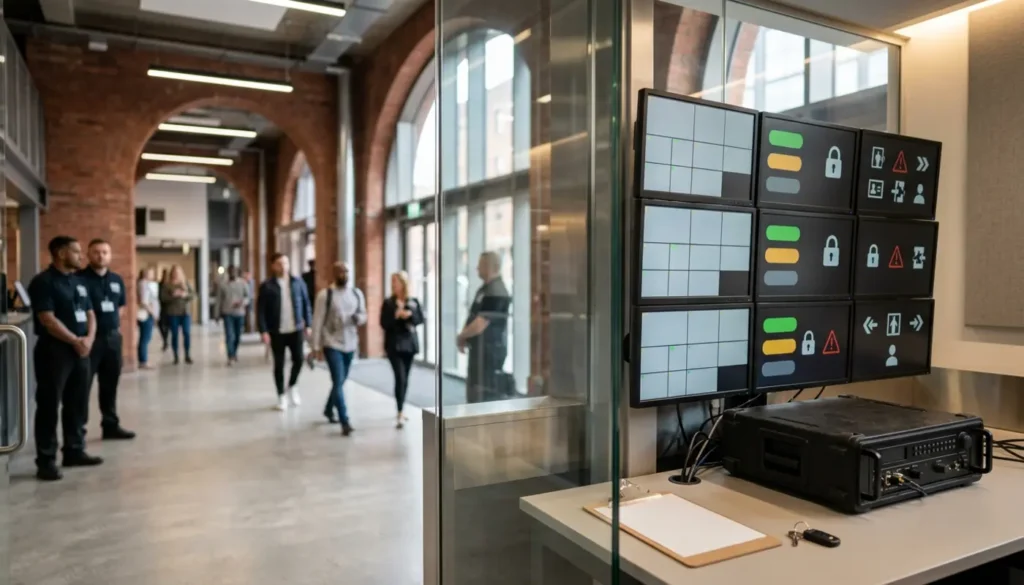
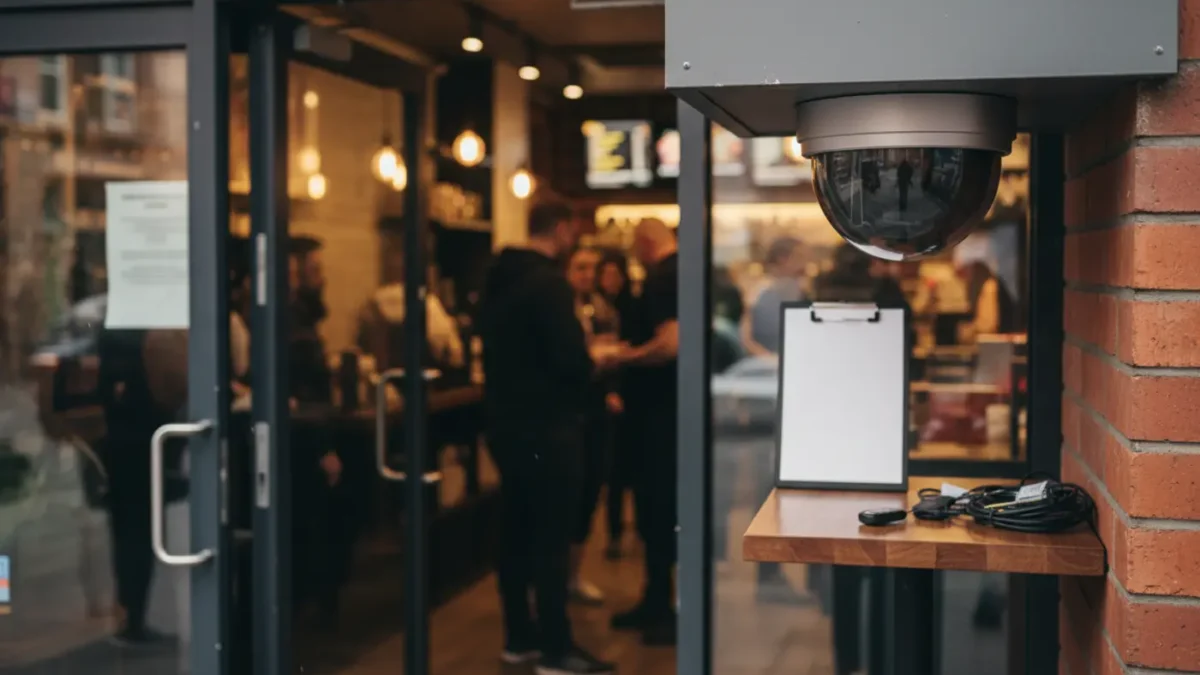
Cameras are also important. Many venues now need a venue CCTV upgrade Standard Tier plan, even for basic safety. Enhanced tier venues often need stronger systems and Enhanced Tier security cameras placed at key points, like entrances and crowded areas.
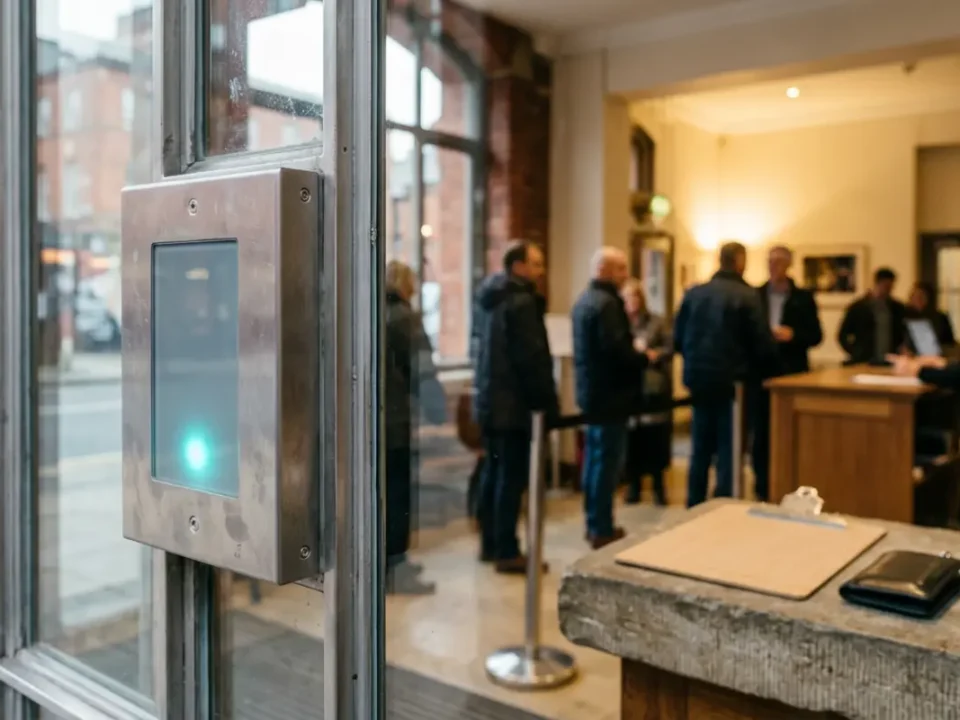
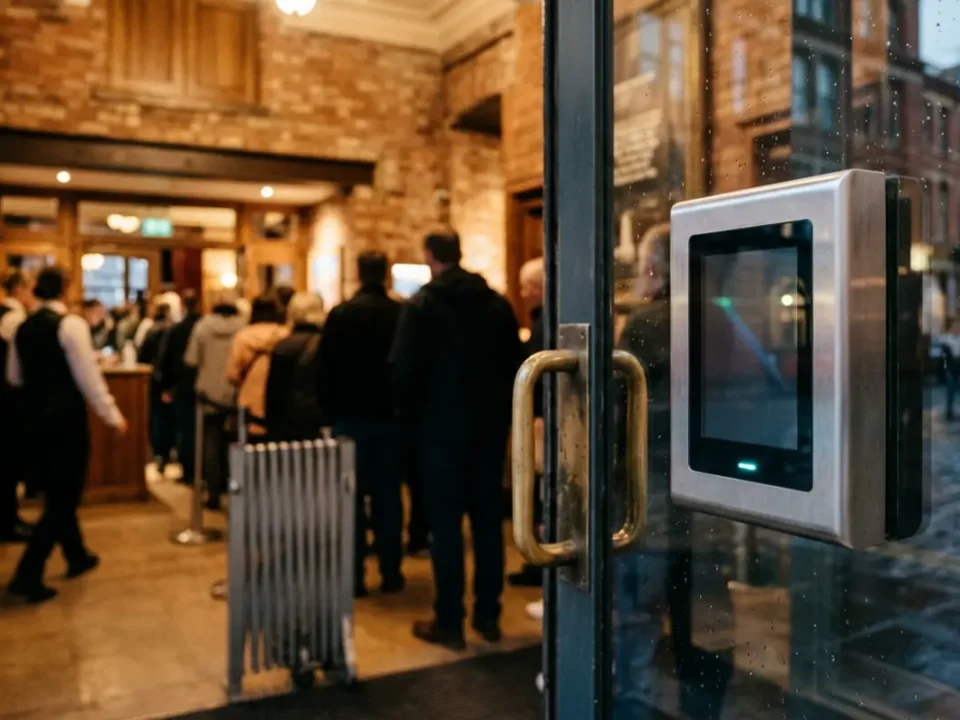
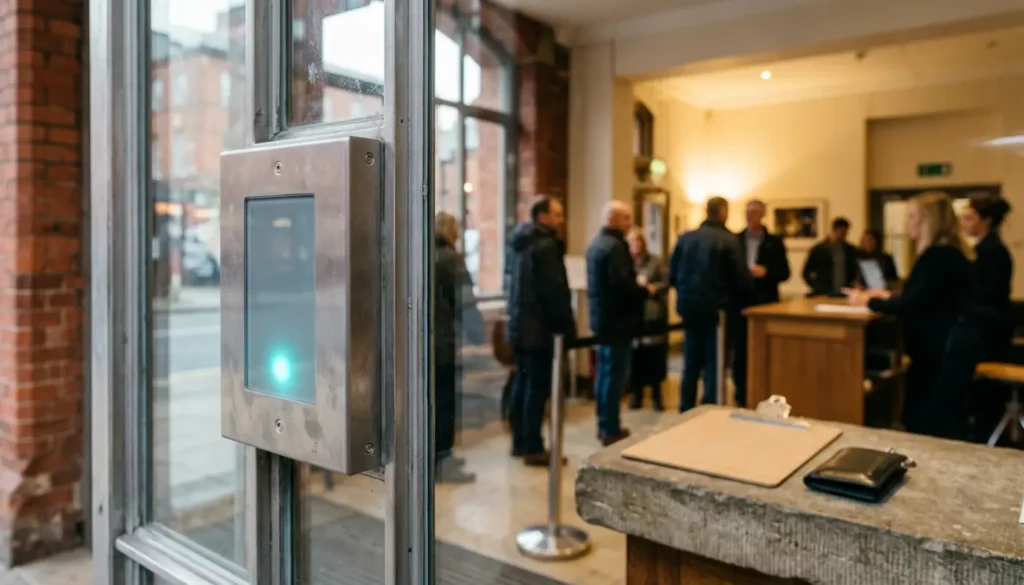
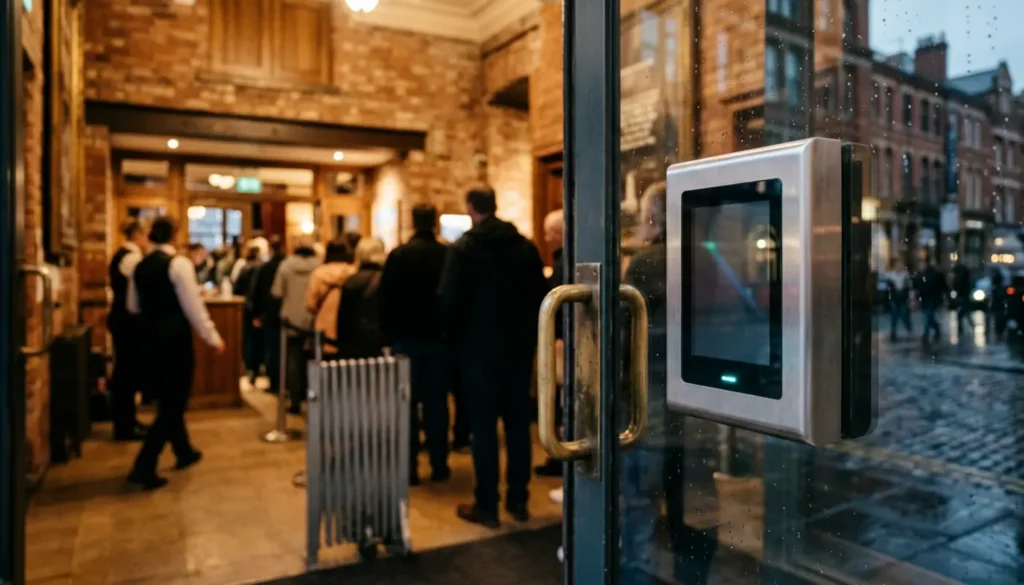
Access control means managing who enters your venue. This could be a simple front desk check. It could also be an electronic key system for bigger venues. Choose what fits your size and budget.
Test your hardware regularly. A broken lock or a blind camera spot can cause real danger. Keep a maintenance log for all safety tools. Fix problems fast, do not wait. Good hardware works quietly in the background, but it plays a huge part in keeping people safe every single day.
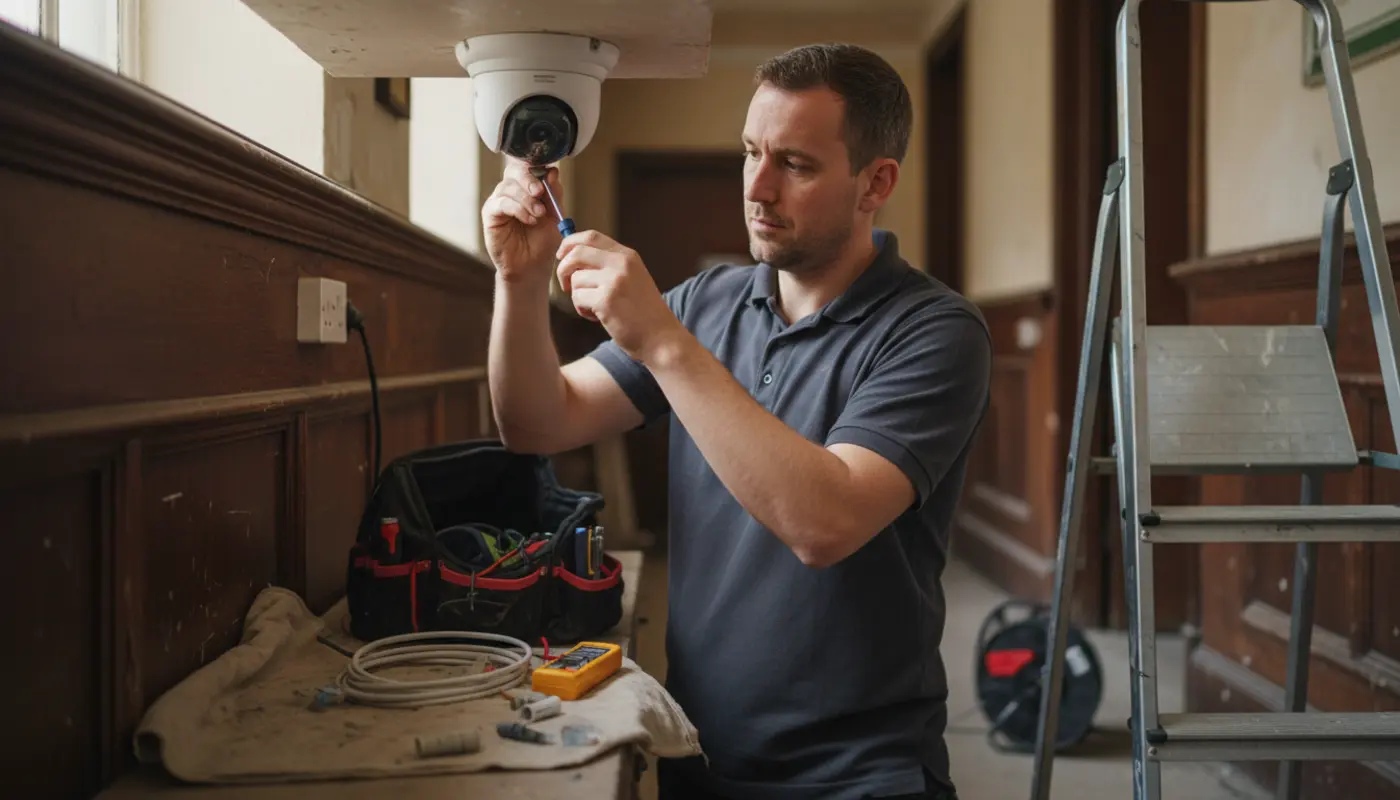
Ask a professional to check bigger systems once a year. This includes camera wiring and alarm connections. Small checks by staff can catch daily problems. But a full check by an expert catches hidden faults, too. Together, these two habits keep your safety hardware strong and dependable.
Maintain Written Compliance Logs and Review Plans Annually
Paperwork may feel boring, but it matters a lot. Keep clear records of everything you do for this law. This includes training dates, drill results, and equipment checks. Store these records somewhere safe and easy to find.
Good records protect your business. If something goes wrong, you can show proof of your hard work. They also help new staff understand past decisions and plans.
Review your full plan every year. Laws and risks can change over time. Your venue may also change, with new rooms or new events. Update your risk assessment, your training, and your hardware list together each year.
This yearly review keeps your business ready and confident. It also builds trust with staff, customers, and the SIA. Set a calendar reminder each year, so this step never gets missed. Strong records mean a strong, safe business for everyone involved.
Keep both paper and digital copies, if you can. This way, one lost file does not mean lost proof. Share key updates with your whole team after every review. Clear communication keeps everyone aligned with the latest version of your plan, not an old one that no longer matches your venue.
Conclusion
Martyn’s Law asks small businesses to take safety seriously. It is not meant to feel scary or hard. Step by step, this law becomes simple to follow. So, what is Martyn’s Law UK really about, in the end? It is about keeping people safe from harm, in a clear and fair way.
Start with your headcount. Find your tier. Register with the SIA. Choose your responsible person. Then build your plans, train your team, and check your hardware often. Keep good records every step of the way.
Small steps add up to strong protection. Your staff will feel safer. Your customers will feel safer, too. Following this checklist helps your business stay ready, calm, and confident, no matter what challenges come your way in the future.
Do not rush every step at once. Work through this checklist bit by bit. Ask for help from the SIA if you feel stuck. Over time, safety planning will feel like a normal part of running your business, just like fire drills or basic cleaning routines already are.