Intruder Alarms for Schools in Manchester: SSAIB-Certified
Intruder Alarms For Schools In Manchester
Intruder alarms for schools in Manchester should usually be certified, insurer accepted and designed around real education site risks. For many schools, that means an SSAIB and Insurance Approved alarm installed to BS EN 50131, monitored through an approved Alarm Receiving Centre, often called an ARC, and set up for Police Response URN eligibility where police attendance is needed. For school leaders who want a dependable starting point, iSecurity Solutions provides tailored security support for education sites across Greater Manchester.
Schools are not ordinary buildings. They hold IT equipment, pupil records, staff belongings, catering stock, sports kit and, in many cases, expensive specialist resources that can be easy to sell if stolen. The real problem is that many school break ins happen when the site is empty, so a bell only alarm is rarely enough on its own.
iSecurity Solutions is a trusted UK provider of commercial and domestic security systems, helping homes and businesses stay protected around the clock. For education sites, the team designs reliable intruder alarms, remote monitoring, CCTV integration, access control links and responsive maintenance, all shaped around how each school actually works.
That joined up approach helps reduce false alarms, improves response procedures and gives better peace of mind to headteachers, site managers, governors and academy trust estates teams. School staff already manage safeguarding, budgets, parents, contractors, evening lets and daily site issues, so a well planned alarm should make life easier, not add more confusion.
Why Manchester Schools Need Strong Intruder Alarms
Manchester schools need strong intruder alarms because many sites are large, busy during the day and quiet at night, with several entrances, playground boundaries, bike stores, halls, boiler rooms and detached buildings. A properly planned intruder alarm system helps protect these weak points by detecting movement, door openings or attempted access before a small incident turns into a costly repair and disruption issue.
Older Victorian school buildings across Greater Manchester often have long corridors, separate stairwells, hidden alcoves and timber doors that were not designed with modern security in mind. Newer academies may have better layouts, but they often contain more technology, open plan learning spaces and shared community areas, which can create different risks outside normal hours.
Common school losses include laptops, tablets, projectors, tools from site stores and petty cash from offices, but vandalism can be even more disruptive. A smashed window, flooded classroom or damaged server cabinet can close rooms, affect lessons and put extra pressure on staff who already have plenty on their plate.
School Alarm Manchester DfE Insurance Grade 2 Requirements
A school alarm Manchester DfE insurance Grade 2 specification is a practical way to describe what many lower to medium risk education sites need. In simple terms, Grade 2 usually means protection for typical risks, while Grade 3 is used where the risk is higher, the equipment is more valuable or insurance conditions are stricter.
For UK schools, intruder alarms should be designed with BS EN 50131 in mind. This standard helps set clear expectations for alarm design, installation and performance, giving the school better records, stronger insurer confidence and fewer disputes about whether the system is suitable.
The Department for Education, or DfE, encourages schools and colleges to take a sensible and proportionate approach to site security based on risk assessment rather than guesswork. The official DfE school and college security guidance is a useful reference for senior leaders because it explains how policies, risk checks and security measures should work together.
For an academy trust, local authority school or independent school, compliance is not just about buying an alarm box and hoping it will do the job. It is about showing that the chosen system is suitable, documented, maintained and able to support Police Response URN processes when police attendance is required.
What SSAIB And Insurance Approved Means For Schools
SSAIB and Insurance Approved means the installer works to recognised security standards, including the processes used to design, install and maintain alarm systems. For schools, that matters because governors, insurers and trust boards often want evidence that the alarm has been fitted by a competent company and not installed casually without the right checks.
In plain English, certification gives you a proper paper trail. You can ask for proof of SSAIB certification, system design records, commissioning documents, maintenance logs and confirmation that the alarm complies with BS EN 50131 at the agreed Grade 2 or Grade 3 level.
It also supports Police Response URN eligibility, because police forces generally require compliant systems installed by an approved company and monitored through a suitable Alarm Receiving Centre. Without the right paperwork and signalling, a school may have an alarm that makes noise but does not provide the response the school thought it had paid for.
It is worth asking whether your current alarm records are ready for an insurer, local authority or trust review. If the answer is uncertain, it is better to find out during a planned check than after a break in.
Police Response URN And ARC Monitoring Explained
A Police Response URN is a Unique Reference Number used by the police to identify a monitored alarm system that meets their response requirements. In school settings, this usually means the alarm is connected to an Alarm Receiving Centre, where trained operators receive signals twenty four hours a day and follow agreed escalation steps.
The process is straightforward when it is planned correctly. The alarm activates, the ARC checks the signal, verification may be carried out through confirmed alarm technology or linked CCTV, keyholders are contacted, and police can be requested if the system has valid Police Response URN status.
False alarms are where schools can run into problems. Too many unwanted activations can lead to warnings and, in some cases, withdrawal or downgrading of response, so good detector placement, staff training and regular maintenance are not optional extras.
If your site has recurring false alarms or unclear response arrangements, practical support in Police Response URN systems can help your team understand what needs improving before it becomes an insurance or safeguarding concern.
Types Of Intruder Alarms For School Buildings
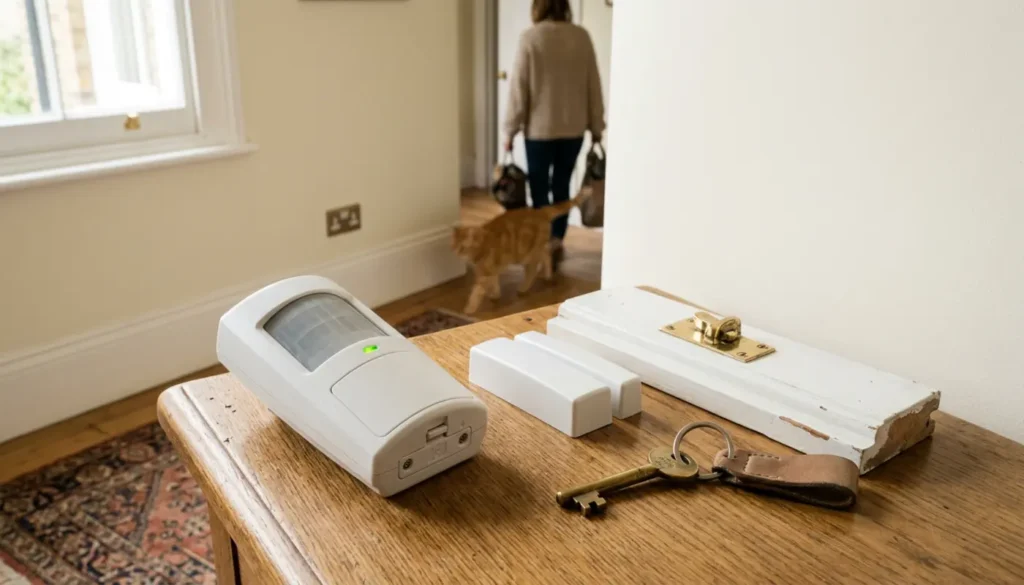
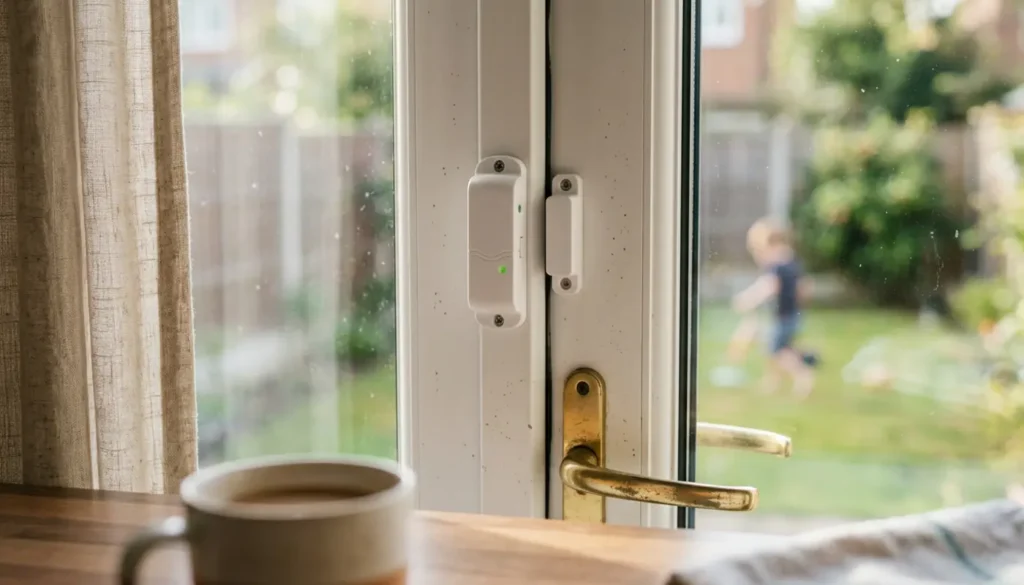
The right school alarm depends on the building, risk level, budget and how the site is used after hours. Most schools need a mix of door contacts, movement detectors, control panels, keypads, panic or hold up options where appropriate, and remote signalling to support monitored response.
Wired systems are often best for larger schools, secondary campuses and major refurbishment projects because they are stable, neat and easier to integrate with other systems from the start. Wireless options can be useful in heritage buildings, temporary classrooms or areas where cable routes would be awkward, disruptive or visually intrusive.
For buildings where cabling is difficult, wireless intruder alarms can reduce installation mess while still giving reliable protection when they are correctly surveyed, installed and maintained.
Detector coverage should focus on likely entry routes, corridors, offices, IT suites, plant rooms, stores and other high risk rooms. A good designer will not simply place detectors everywhere. They will look at how an intruder is likely to move through the site and put protection where it gives the best early warning.
Integrating School Alarms With CCTV And Access Control
School alarms work best when CCTV and access control can support the alarm response. When systems are integrated, an alarm event can trigger cameras, record the relevant footage and help an ARC or keyholder decide whether there is a real threat.
Linked CCTV systems are especially useful for schools because they can help confirm whether an activation is caused by a person, an open door, bad weather or sometimes local wildlife moving around the site.
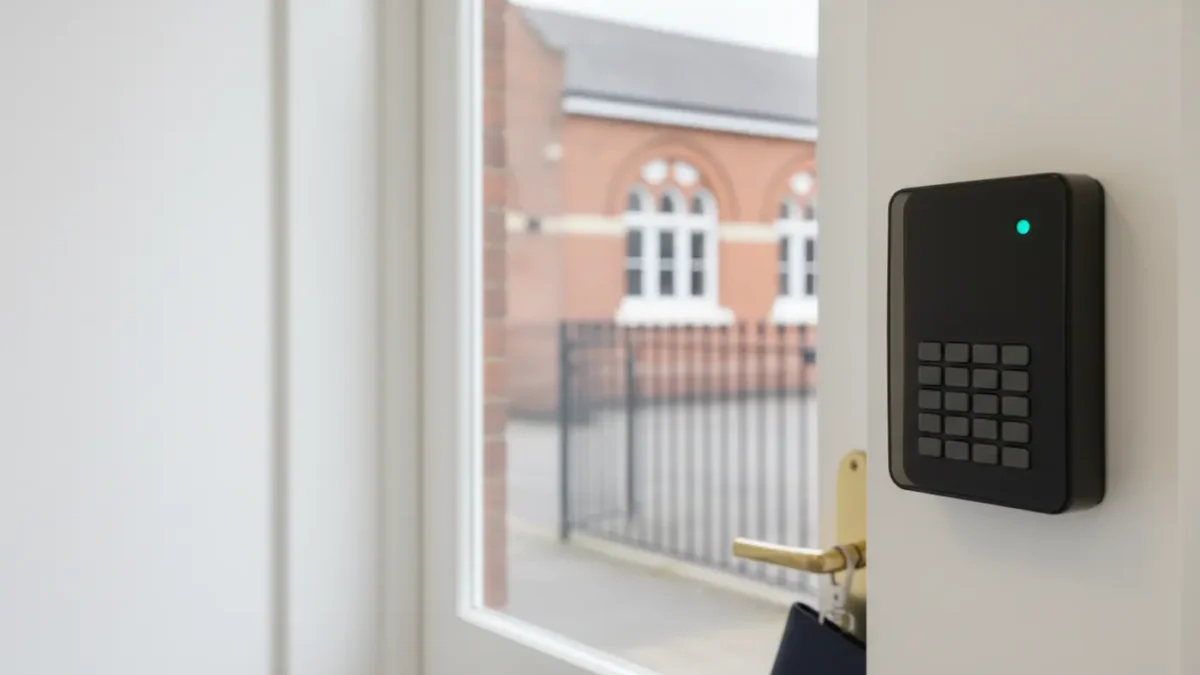
Access control adds another layer by limiting who can enter staff areas, offices, server rooms or external gates during the school day and after hours. It also creates audit records, which can be useful if keys are lost, contractors attend site or buildings are shared with community groups in the evening.
For primary settings, the relationship between door security, safeguarding and daily visitor management is covered in more detail in access control for primary schools, which is helpful when alarms are part of a wider site security review.
Manchester Installation Considerations For Schools
Manchester installation plans need to reflect the type of school building, its age, its layout and how the site is used throughout the week. A compact primary school on a tight residential street needs a different alarm design from a large secondary academy with sports blocks, car parks and community entrances.
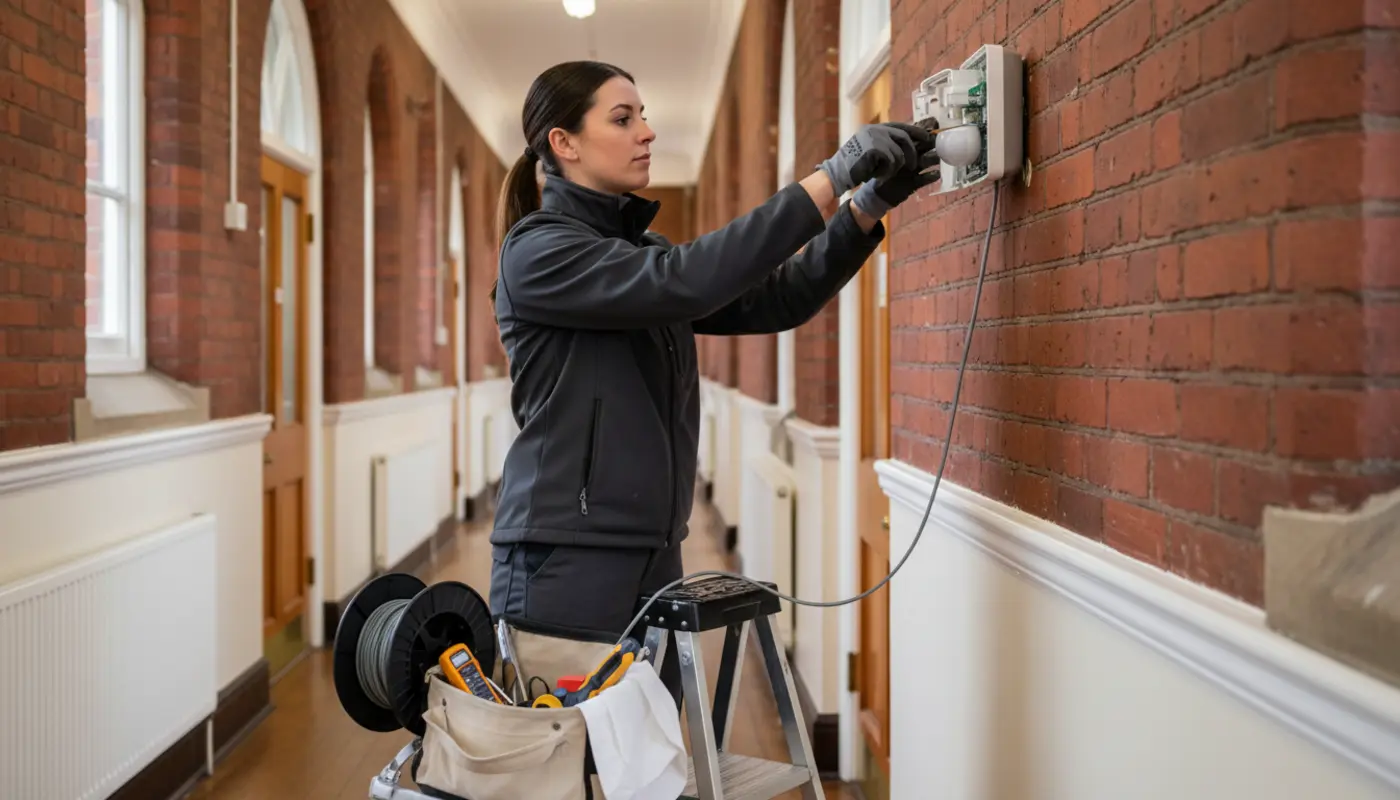
Victorian and listed school buildings need careful installation routes, discreet devices and patient planning because visible cabling can spoil period brickwork, stonework or decorative internal features. Conservation areas may also affect external sounders, cameras or cabling, so early planning helps avoid delays.
New build academies have different priorities, particularly around integrated design, network capacity, remote management and future expansion. If alarms are being installed alongside data cabling, CCTV and access control, it is worth coordinating the design early so systems do not compete for space in risers, cabinets or ceiling voids.
Where schools are upgrading wider site protection, access control can be planned alongside alarms so staff, pupils, visitors and contractors each have sensible, controlled routes through the building.
Local Manchester School Alarm Examples
Local school examples show why small design details can make a big difference to day to day alarm performance. One Manchester primary school had repeated false alarms from a corridor detector that was picking up movement near a poorly sealed entrance, which created avoidable callouts and frustration for the site team.
After a site review, the detector was repositioned, the door contact was checked and staff received a short refresher on setting procedures. The result was fewer unwanted callouts and a much calmer site manager, which is often exactly what schools need from a practical security improvement.
At a larger secondary school, alarm monitoring was improved by linking key alarm zones with CCTV verification. When an activation came through, the ARC could check relevant camera views before escalating the response, giving keyholders clearer information and reducing guesswork during night time incidents.
For a trust managing several education sites, a phased upgrade helped bring alarm records, maintenance schedules and response procedures into one clearer plan. That made reporting easier for estates teams and gave senior leaders better visibility across their buildings.
Costs And Funding Routes In 2026
The cost of a school intruder alarm in Manchester in 2026 depends on site size, detector numbers, signalling, monitoring, installation complexity, integration and maintenance requirements. A small primary school upgrade may be modest, while a multi building secondary campus with ARC monitoring, CCTV verification and Police Response URN support will naturally cost more.
Schools should think in terms of whole life cost rather than just the installation figure. Monitoring fees, maintenance visits, emergency callouts, software updates and replacement batteries all affect the real value of the system over five to ten years.
Funding may come from school capital budgets, academy trust estate plans, local authority programmes, insurance led works or project budgets linked to refurbishment and safeguarding improvements. When budgets are tight, it is usually better to phase a compliant system sensibly than buy a cheap non compliant setup that may fail insurance checks later.
A planned security maintenance contract helps schools control ongoing costs while keeping the system reliable, documented and ready for insurer or trust review.
Choosing The Right Installer In Greater Manchester
Choosing the right installer in Greater Manchester is about more than the lowest quote or the fastest visit. Schools should look for education experience, clear safeguarding processes, DBS checked engineers where appropriate, transparent maintenance terms and confidence with BS EN 50131 Grade 2 and Grade 3 alarm design.
A good installer should explain Police Response URN requirements in normal language, so school leaders understand what is included and what still needs to be arranged. They should also understand how alarm design fits with DfE security guidance, academy trust governance, insurance conditions and daily school operations.
It is also worth checking whether one provider can support alarms, CCTV, access control and monitoring as part of a joined up plan. A single accountable team can reduce confusion, especially when an activation happens at midnight and quick decisions are needed.
For schools reviewing several buildings or planning a trust wide upgrade, business security systems can be shaped around multi site management, reporting and long term support.
Operational Best Practice For School Alarm Management
Good school alarm management helps the system perform properly after installation. Even the best alarm can underperform if staff do not know how to use it, so schools should keep simple setting and unsetting procedures, named keyholders, clear holiday arrangements and a written process for out of hours activations.
Regular testing is important, but it should be planned so it does not create unnecessary callouts or confusion with the ARC. Site managers should also keep records of faults, maintenance visits, detector changes and any false alarm causes, because those notes can be very useful during reviews.
Training should be practical and short enough for staff to remember. If the process is too complicated every time someone opens the hall for parents’ evening, the system or the procedure probably needs simplifying.
Schools that are also reviewing camera coverage can use CCTV for primary schools as a useful reference point for safeguarding, visibility and event review.
Final Thoughts On School Intruder Alarms
School intruder alarms in Manchester are not just about stopping theft. They support safeguarding, insurance compliance, staff confidence and business continuity, especially when the site is empty during evenings, weekends and holidays.
For most education sites, the best route is a BS EN 50131 compliant Grade 2 or Grade 3 alarm, monitored through an ARC, maintained regularly and designed for Police Response URN eligibility where required. With the right installer and a sensible plan, school security becomes easier to manage and much less stressful when the phone rings after hours.
If you are reviewing a current alarm, planning a refurbishment or trying to reduce false alarms, iSecurity Solutions can help with a practical site survey and a clear plan that suits your school, your budget and your response needs.
Frequently Asked Questions
Do Manchester Schools Need An SSAIB And Insurance Approved Alarm?
Many insurers and academy trusts prefer or require an SSAIB and Insurance Approved intruder alarm, especially where Police Response URN eligibility is needed for monitored response.
What Alarm Grade Is Best For A School?
Most standard school sites use BS EN 50131 Grade 2, while higher risk sites, repeated targets or schools with high value equipment may need Grade 3 after a proper risk assessment.
How Does A Police Response URN Work For School Alarms?
A Police Response URN identifies a compliant monitored alarm system so the ARC can request police attendance when confirmed activation criteria are met.
Can A School Alarm Link To Existing CCTV?
Yes, many systems can link alarm activations to CCTV cameras, allowing the ARC or keyholders to verify what is happening before escalating the response.
How Often Should A School Intruder Alarm Be Maintained?
Most monitored school alarms should be maintained at least twice a year, although the exact schedule depends on the system, insurer requirements and monitoring arrangements.