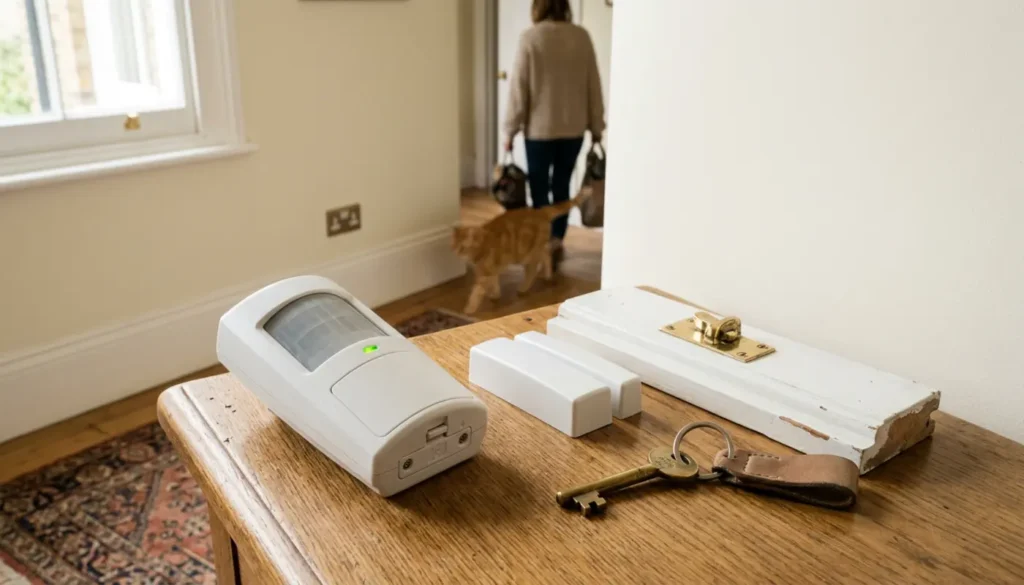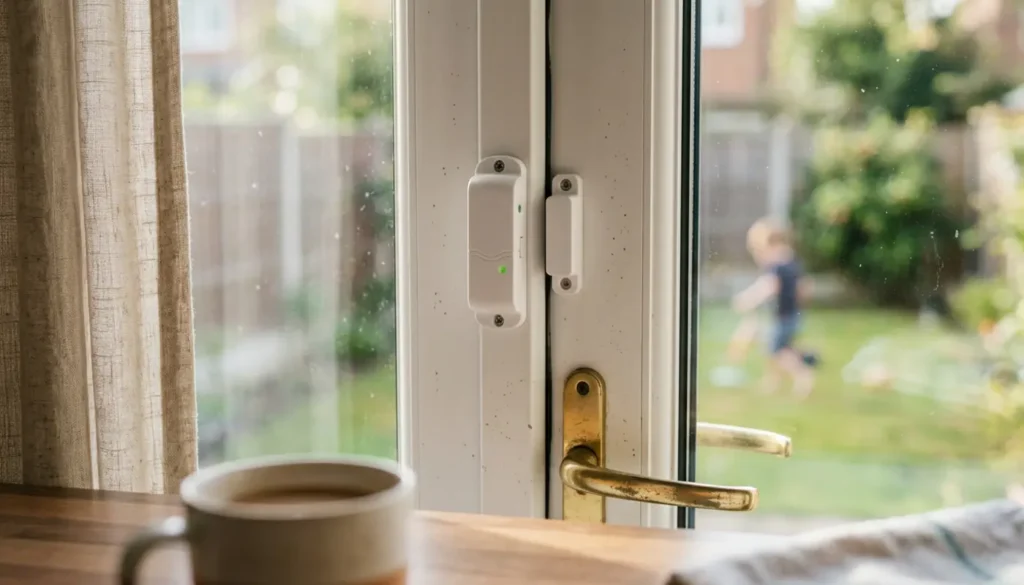
Intruder Alarms for Care Homes in the North West
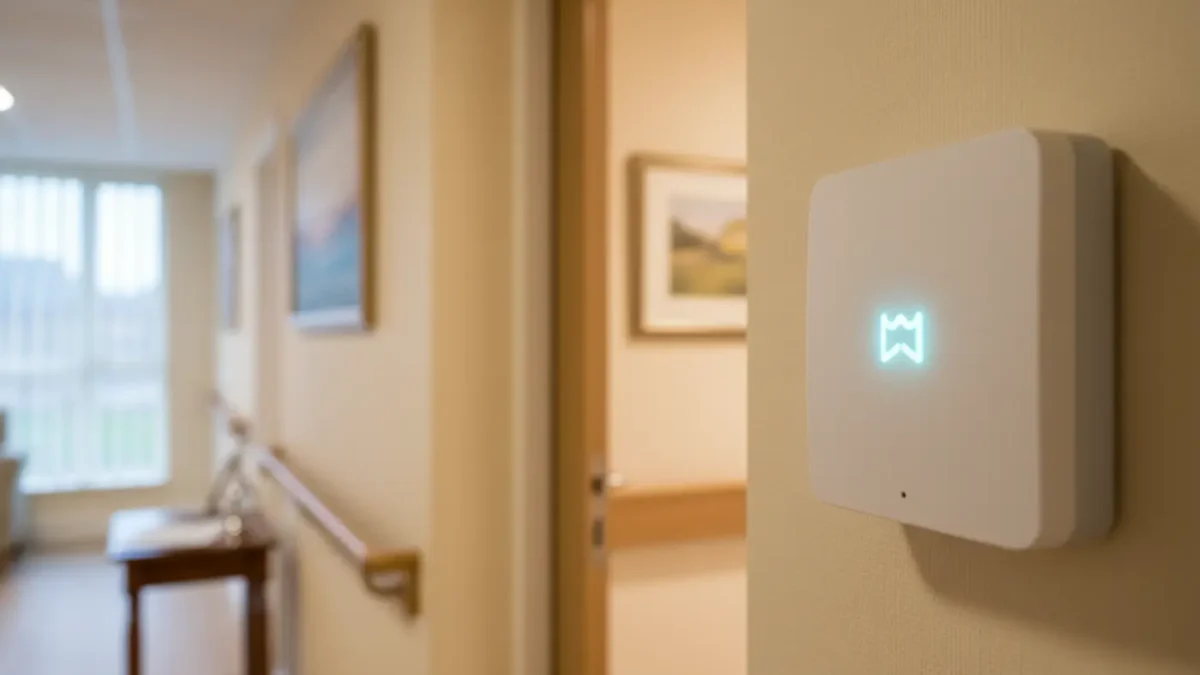
Intruder Alarms for Care Homes in the North West are not only there to stop break ins. They also help care providers protect medicines, secure records and valuables, support lone staff at night, and meet wider safeguarding duties. In a care setting, the right alarm system should improve safety without making the home feel cold or overly clinical.
For many managers, the hardest part is knowing what the home actually needs. Standards, monitoring options, police response rules, and insurance requirements can quickly become confusing when you are already managing staffing, compliance, and family expectations.
iSecurity Solutions helps care homes across the North West with tailored intruder alarm systems that are practical, compliant, and designed around the day to day reality of residential care. As a trusted UK provider of commercial and domestic security systems, iSecurity Solutions supports homes and businesses with CCTV, intruder alarms, fire safety, access control, and monitored security solutions that protect what matters most.
Care Home Intruder Alarms North West
A care home intruder alarm in the North West needs to do far more than sound a siren. It should support safeguarding, protect medicine rooms and offices, and fit around the daily routine of the home, especially during nights, handovers, and visiting hours. A basic domestic style alarm usually does not give the level of control or monitoring that a regulated care setting needs.
That is why many providers choose intruder alarms designed for commercial and care environments, with clear zoning, simple staff controls, and monitoring options that match both risk and budget.
Why Care Homes Need Stronger Intruder Protection
Care homes often hold high value medicines, petty cash, residents’ belongings, confidential records, and have predictable staffing patterns. More importantly, some residents may not be able to recognise danger quickly or respond safely if an unauthorised person enters the building. That makes security a safeguarding issue as much as a property issue.
Where visitor flow, night access, and staff movement need tighter control, many homes also combine alarms with access control. This helps protect external doors, staff only areas, and medicine stores without making the building feel like a fortress.
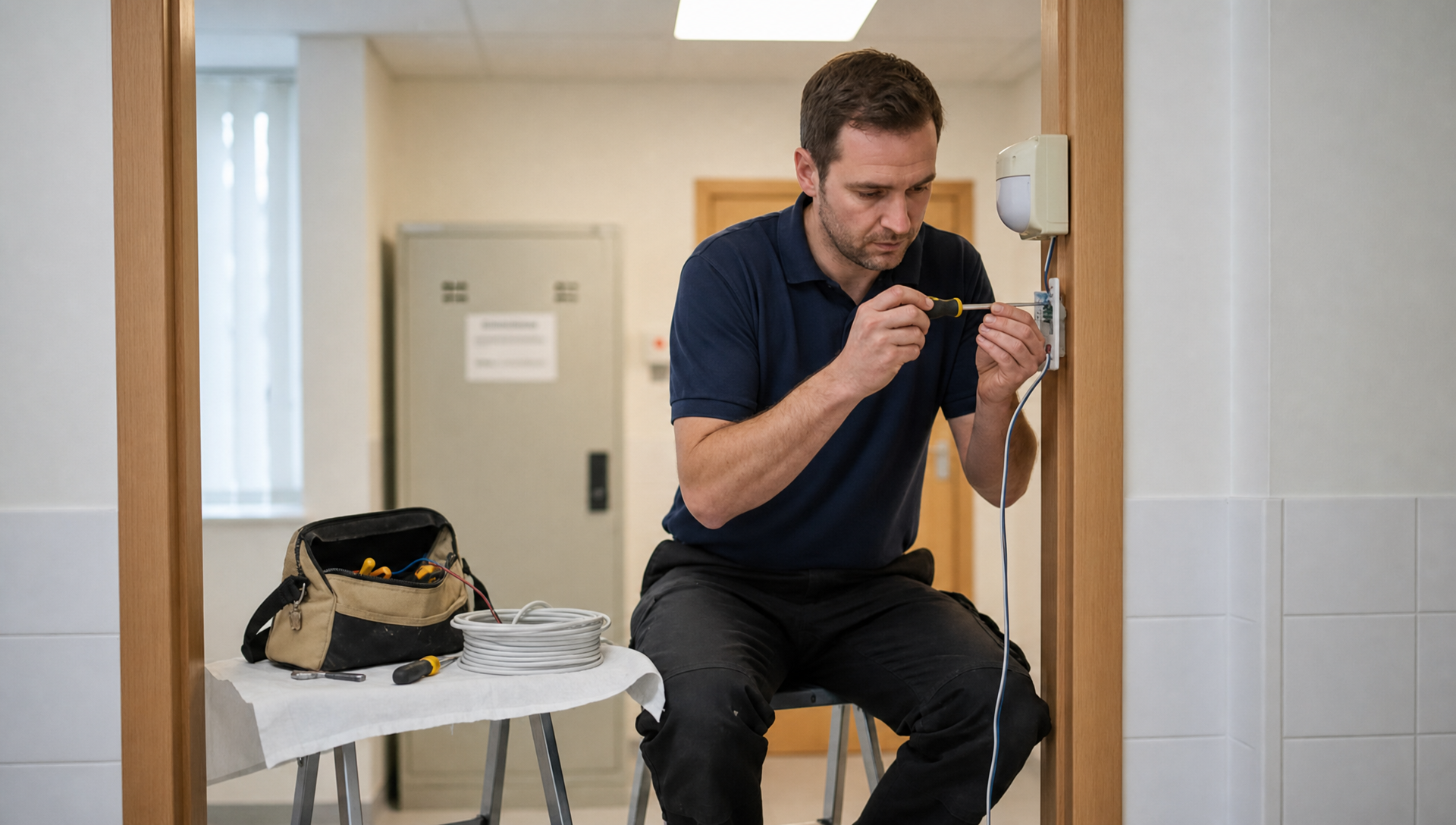
Safeguarding And CQC Duties In Care Homes
CQC Regulation 13 focuses on protecting service users from abuse and improper treatment. In practical terms, that means providers should have systems in place to reduce avoidable risk, control access, respond to incidents properly, and show that safety has been planned. An intruder alarm will not meet those duties on its own, but it forms an important part of the wider safeguarding picture.
That wider picture includes environmental safety, staff response procedures, visitor management, and good record keeping. The Social Care Institute for Excellence and the CQC both support balanced, person centred care and protection. That means homes need sensible security measures that support dignity as well as safety. In a care home, the right system protects people without making residents feel as though they live in a bank vault.
Why Care Homes Are A Specific Target Risk
The main risk areas are usually medicine rooms, offices, reception areas, rear entrances, and spaces used by lone night staff. NICE guidance on medicines in care homes makes it clear that medicines must be stored securely, especially controlled drugs. These areas often need dedicated detection and access control as part of a proper alarm design.
There is also a human factor that makes care settings different from many other commercial sites. Some residents may be confused, some may be asleep, and some may be unable to move independently if an incident happens at night. Staff can also be under pressure, especially when fewer people are on duty. That is why alarm response plans need to be realistic and well practised.
Understanding BS 8243 And EN 50131 In Simple Terms
For care homes, intruder alarm systems should comply with EN 50131 and are commonly designed as Grade 2 or Grade 3 depending on the level of risk. Grade 2 usually suits lower or moderate risk sites, while Grade 3 is often considered where there is greater risk, higher value assets, or stricter insurer conditions. In simple terms, these grades show how secure and tamper resistant the system needs to be.
BS 8243 covers the design and setup of confirmed alarm systems, especially where remote signalling and police response are involved. If your care home wants monitored protection with a Police Response URN, the system normally needs to be set up correctly for confirmation and installed by an Insurance Approved provider that is SSAIB certified. If you want a clearer look at grading, Grade 2 vs Grade 3 intruder alarms explains the practical differences.
What Types Of Intruder Alarm Systems Suit Care Homes
Audible only systems are the simplest option, but they are often not enough for a care home because they rely on someone nearby hearing the alarm and taking action. That may suit a very small, low risk building, but most registered care settings need something more dependable and easier to manage outside normal hours.
Monitored intruder alarms linked to an Alarm Receiving Centre are usually the better choice. An ARC receives alarm signals 24 hours a day and can follow an agreed response plan, such as calling keyholders, escalating confirmed alarms, or supporting Police Response URN procedures where needed. For care homes, that extra layer matters because incidents do not wait for office hours.
Integrated systems can also make day to day management easier. Alarms can work alongside CCTV, access control, nurse call considerations, and staff only door protection, creating a joined up security setup rather than separate systems that do not work well together. For a related example, care home CCTV in the North West shows how visual monitoring can support safeguarding when paired with alarms.
24 7 Monitoring, Keyholding And Police Response
ARC monitoring is often the most practical option for care homes that need reliable support outside normal hours. Instead of depending fully on on site staff, alarm signals go to a continuously staffed centre where operators follow pre agreed instructions. That could involve contacting a manager, notifying keyholders, or escalating a confirmed event.
Where a Police Response URN is required, the setup needs to be correct from the start. That normally means EN 50131 compliant equipment, design in line with BS 8243, suitable signalling, and installation by an Insurance Approved provider that is SSAIB certified. Without that full chain in place, a monitored system may still send alerts, but it may not qualify for formal police response in the way insurers or risk managers expect.
Keyholding is also worth serious thought. Asking senior staff to travel in during the early hours may sound manageable until there is bad weather or someone is too far away to attend quickly. A local installer with ongoing support and sensible response planning can make a real difference, especially for operators with several sites.
Fitting Alarms Into Safeguarding And Lone Worker Policies
Alarm systems work best when they are written into the home’s real procedures. That means clear instructions on who sets and unsets the system, how alerts are checked, who inspects vulnerable areas such as medicine rooms, and how incidents are recorded in safeguarding records. A good system only helps if the team knows exactly what to do when it activates.
Lone worker planning matters most at night, when staffing is lighter and risks can feel more serious. Zoned setting, personal attack devices, and controlled entry arrangements can all help staff feel safer while reducing unnecessary disturbance to residents. If you are reviewing the wider setup, you may also want to look at care home access control to support door management and wander risk policies.
Keeping Security Homely Rather Than Institutional
One of the biggest concerns in care is appearance and atmosphere. Nobody wants residents or visiting families to feel they are walking into a harsh institutional setting, especially in dementia friendly environments where noise and confusion can be distressing. The good news is that modern intruder protection can be discreet.
Detectors can be positioned carefully, staff alerts can be zoned, and monitoring can stay largely silent until human action is needed. This allows the home to remain calm and welcoming while still protecting entrances, offices, medicine areas, and rear access points. In most cases, it is less about adding more equipment and more about placing the right equipment in the right places.
Staff Training And False Alarm Reduction
Even the best alarm system can become a problem if training is rushed. Staff should know how to set and unset the system, how to manage part setting for occupied buildings, what to do if a detector activates, and when to escalate concerns. If an alert came through at 2 am, the team should feel confident rather than unsure.
False alarms are not just frustrating. They waste time, create confusion, and can reduce trust in the system. Good design under BS 8243 helps by using confirmation methods and sensible setup, but staff habits matter as well. Regular reviews, clear logs, and ongoing support from a maintenance provider all help keep the system reliable. That is why many homes benefit from service contracts rather than a simple install and leave approach.
Insurance Benefits Of A Compliant Alarm System
Insurers often look closely at alarm standards, monitoring arrangements, installer approval, and system grade. For care homes, a compliant intruder alarm can help meet policy conditions, support claims evidence, and in some cases improve premiums or terms. It also shows that security has been considered properly, which matters when the premises contain vulnerable residents and controlled access areas.
An Insurance Approved system installed by the right company is usually the starting point. If an insurer asks for remote signalling, confirmed alarms, or police response, the design should reflect that from day one rather than being patched together later. Homes comparing monitored options may also find police response alarm systems useful for understanding how URN eligibility works in practical terms.
Choosing A North West Installer For A Care Home Alarm
Local support matters more than many people expect. A North West provider can usually offer faster attendance, better knowledge of regional logistics, and a more practical understanding of how care homes operate across towns, rural areas, and groups with several locations. That is valuable when there is a fault, an urgent callout, or a need for quick staff retraining.
Accreditation should be essential. For intruder alarms in care homes, look for EN 50131 compliant design, an Insurance Approved installation, and a provider that is Insurance Approved and SSAIB certified if monitored response or insurer recognition is important. Care sector experience also helps, because protecting a care home is different from protecting an empty office block after six o’clock.
It is also worth asking how the company handles maintenance, documentation, user training, and future upgrades. If the home later adds visual verification or wants a more connected security plan, a provider with broader business security experience can make that process much smoother.
A Simple Checklist For Care Home Managers
- Review safeguarding risks, access points, medicine storage, and lone worker scenarios.
- Confirm whether Grade 2 or Grade 3 is more suitable under EN 50131.
- Check whether ARC monitoring and a Police Response URN are required by the insurer.
- Make sure the design follows BS 8243 where confirmed alarm response is needed.
- Build alarm procedures into safeguarding, incident, and staff training records.
- Choose an Insurance Approved installer with care sector experience and local support.
Final Thoughts
Intruder alarms for care homes in the North West need to strike a careful balance. They should be strong enough to protect residents, medicines, records, and staff, while still supporting a calm, homely environment that families trust and residents feel comfortable in.
When the system is designed around safeguarding, EN 50131 compliance, BS 8243 monitoring rules, and real daily care routines, it stops feeling like an extra burden and starts becoming part of good care management. For a broader look at ongoing upkeep in this sector, security and fire system maintenance for care homes is also worth reading.
For official safeguarding context, the CQC Regulation 13 guidance is a useful reference when reviewing how physical security supports wider resident protection.