CCTV for Pharmacies in Greater Manchester: Controlled Drug Security
CCTV For Pharmacies In Greater Manchester
If you run a pharmacy in Greater Manchester, you already know how worrying controlled drug security can be. From targeted theft and ram raids to internal diversion, the risks are real. With inspections, insurance conditions, and strict regulations to manage, it is natural to question whether your current security is strong enough.
A properly designed, Insurance Approved CCTV system, installed by an SSAIB certified company and aligned with MHRA and GPhC expectations, plays a vital role in protecting controlled drug cabinets, supporting compliance, and safeguarding staff and patients. Whether you operate a single high street pharmacy in Bolton or manage several branches across Manchester city centre and Rochdale, your CCTV should do more than simply record. It must meet EN 50131 standards where integrated with intruder alarms, support Police Response URN eligibility through SSAIB certification, and stand up to scrutiny from inspectors and insurers.
Controlled Drug Security In Greater Manchester Pharmacies
Controlled drug security is about proving that you have taken reasonable and proportionate steps to prevent theft, diversion, and unauthorised access. In practical terms, that means layered protection. Secure cabinets, certified intruder alarms, monitored CCTV, and clear procedures all work together. When designed correctly, your system protects stock, reassures inspectors, and gives your team confidence during busy dispensing hours.
At iSecurity Solutions, we design and install tailored CCTV systems for pharmacies across Greater Manchester. We combine technical compliance with practical day to day usability, so you can focus on patient care rather than worrying about what is happening behind the counter.
Why Controlled Drug Security Needs Robust CCTV
The Misuse of Drugs Regulations 2001 require certain controlled drugs, especially Schedule 2 medicines, to be stored in secure, locked cabinets. While the legislation does not specifically state that CCTV is mandatory, it makes you responsible for preventing unauthorised access and diversion. In reality, that means using layered security measures that include physical protection, alarm systems, and well positioned cameras.
National police guidance recommends that controlled drugs are kept behind several layers of protection and that CCTV covers vulnerable areas with clear images. You can review the legal framework directly on UK legislation, which sets out duties around possession, storage, and supply. CCTV helps demonstrate that you have taken reasonable steps to protect stock and investigate discrepancies in your controlled drug register.
In areas such as Oldham and parts of central Manchester, pharmacies have been targeted for high value medicines. Clear footage of the dispensary, cabinet access points, and entry doors can make the difference between an unresolved loss and a successful police investigation. When your professional reputation is at stake, that clarity really matters.
Meeting GPhC Premises Standards With CCTV
The General Pharmaceutical Council expects pharmacies to provide a safe and effective environment for delivering care. That includes appropriate security for medicines and patient information. Inspectors are not looking for complex or excessive systems. They want practical measures that reduce risk and show clear thought behind your setup.
Well positioned CCTV supports compliance by showing that controlled drug cabinets are monitored and that only authorised staff access restricted areas. Many pharmacy owners integrate CCTV with access control systems so entry to the dispensary or controlled drug room is logged and linked to video footage.
Inspectors will usually expect evidence of a risk assessment, clear signage, defined retention periods, and secure handling of recorded data. When your system is professionally specified and documented, these conversations become far more straightforward.
SSAIB Certification Explained For Pharmacy CCTV
SSAIB is a UKAS accredited certification body that audits security installers to ensure they meet recognised standards for quality and technical competence. When your pharmacy CCTV is installed by an SSAIB certified company, it is classed as Insurance Approved. This is important to insurers and police.
If you integrate CCTV with intruder alarms, SSAIB certification is also required for obtaining a Police Response URN. Without it, you may not qualify for a URN, which can mean reduced priority response if a confirmed alarm activation occurs.
All intruder alarm elements should comply with EN 50131, usually Grade 2 or Grade 3 depending on your pharmacy's risk profile. If you would like a deeper look at alarm grades, take a look at SSAIB Grade 3 intruder alarms for pharmacies in Manchester, where the differences are explained in clear and simple terms.
NSI Vs SSAIB For Pharmacy Compliance
NSI is the other main UKAS accredited certification body in the security and fire sector. Both NSI and SSAIB audit installers against recognised standards and are widely accepted by insurers. For a pharmacy, the key factor is not the badge alone but the installer's experience, local support, and ability to integrate systems correctly.
From a compliance perspective, what matters most is that your CCTV and alarm systems are Insurance Approved, installed to the correct standards, and properly maintained. Pharmacies in Greater Manchester should prioritise a provider who understands healthcare environments, controlled drug risks, and local policing expectations.
Greater Manchester Police And Local Crime Trends
Greater Manchester Police work closely with business crime partnerships to reduce theft and violence in retail settings. Pharmacies are often encouraged to join schemes such as Shopwatch or shared radio networks, particularly in busy retail districts.
Recent years have seen increases in ram raids and targeted theft of high value medicines. In response, GMP and national police advice emphasise layered security, reliable CCTV coverage of vulnerable areas, and regular checks to confirm cameras are operating correctly. For pharmacies with monitored alarms, an SSAIB certified and Insurance Approved system is essential to secure a Police Response URN and help ensure rapid attendance.
Combining CCTV with a professionally installed intruder alarm system creates a joined up approach, where alarm activations automatically flag relevant camera footage for review.
Camera Placement Strategy For Controlled Drug Cabinets
Camera placement should be based on a clear risk assessment and the way your team works during normal trading hours. It needs to feel supportive rather than intrusive, while still capturing useful evidence.
Key areas to cover include:
- Controlled drug cabinets and the surrounding workspace.
- The main dispensary counter and till areas.
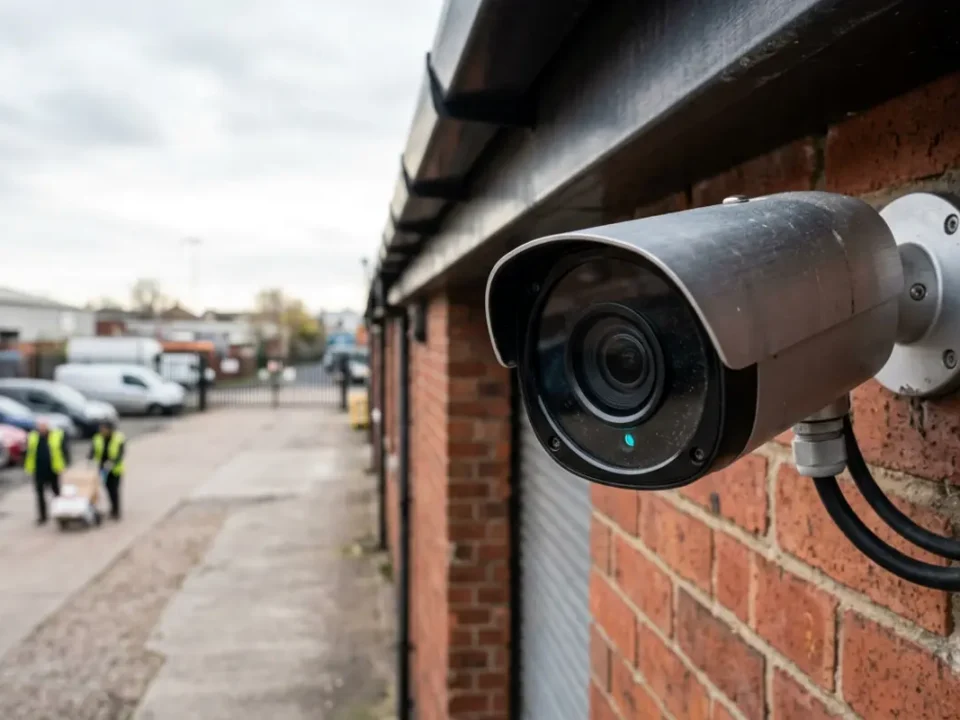
- Entry and exit points, including rear delivery doors.
- Blind spots behind shelving or partitions.
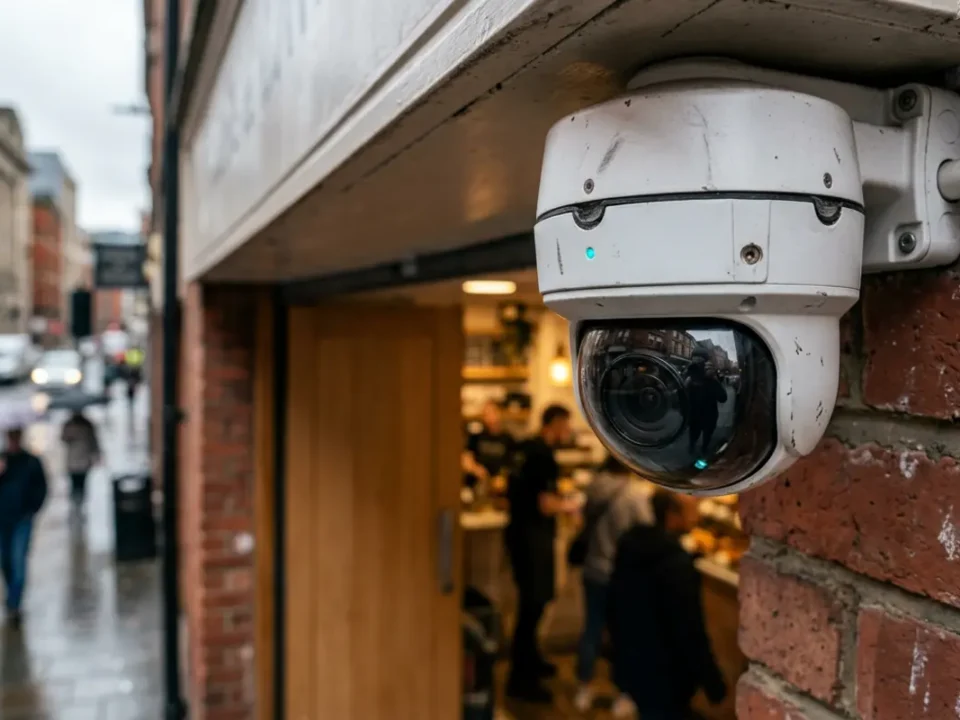
Cameras should capture clear facial images at entrances and detailed activity around controlled drug cabinets without unnecessarily recording prescription labels or computer screens. A helpful starting point is understanding where you can legally point CCTV cameras, particularly in public facing areas.
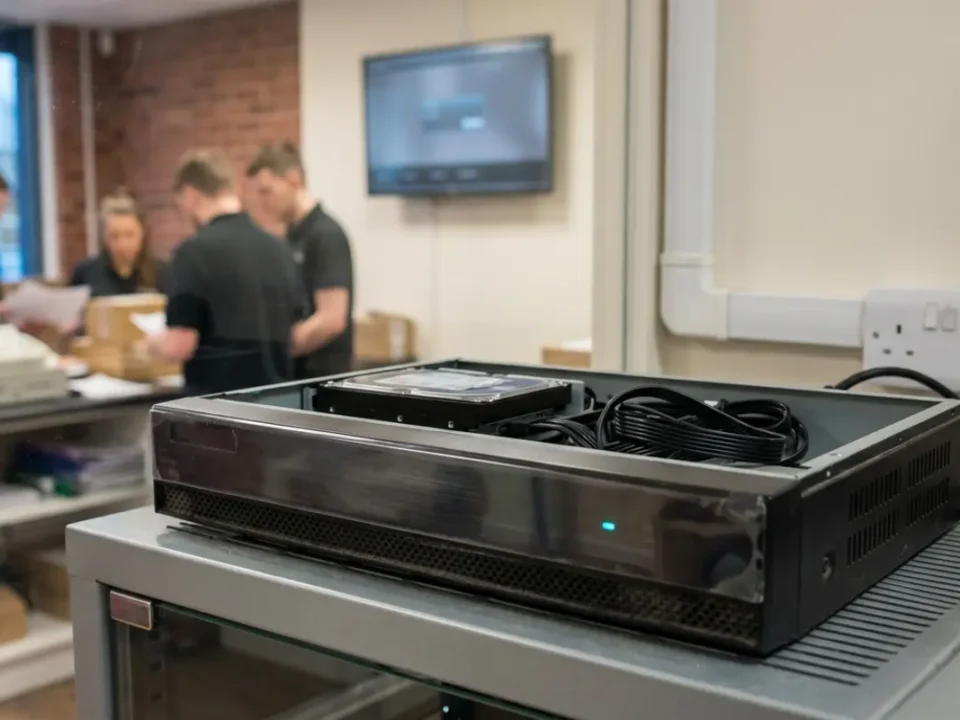
Modern IP systems, installed to EN 50131 requirements where integrated with alarms, provide high resolution footage and secure remote access for authorised managers.
Data Protection And ICO Compliance
If your CCTV captures identifiable images of patients or staff, it falls under UK GDPR and the Data Protection Act 2018. You will need a lawful basis for recording, clear signage, controlled access to footage, and defined retention periods.
In many pharmacies, a Data Protection Impact Assessment is advisable because you are systematically monitoring publicly accessible areas. Access to recordings should be restricted, and footage stored securely using encryption and strong password controls.
Patients have the right to request access to footage that includes them. Having a documented process for Subject Access Requests and a clear retention policy helps prevent unnecessary stress if a complaint arises.
Integrating CCTV With Alarms And Access Control
A unified security system is far more effective than standalone components. When CCTV, alarms, and access control are integrated, events such as a forced rear door or out of hours movement near the controlled drug cabinet can automatically trigger bookmarked recordings.
Intruder alarms must comply with EN 50131 and, when installed by an SSAIB certified provider, are Insurance Approved and eligible for a Police Response URN. Access control logs can then be matched against video footage to confirm exactly who entered restricted areas and when.
For larger pharmacy groups or sites with separate consultation rooms, this joined up approach simplifies audits and incident investigations while helping to reduce false alarms.
Insurance Implications For Greater Manchester Pharmacies
Insurers increasingly expect high risk premises such as pharmacies to have certified security systems. An SSAIB certified and Insurance Approved CCTV and alarm setup demonstrates due diligence and can positively influence premiums and claims handling.
If a controlled drug theft occurs, insurers may request installation certificates, maintenance records, and proof of compliance with recognised standards. Ongoing support through security maintenance contracts helps ensure your system remains compliant and operational throughout the year.
Professional Installation Vs DIY Systems
DIY CCTV systems may appear cost effective at first, but pharmacies operate in a highly regulated environment. A poorly positioned camera, weak password protection, or lack of certification can create serious problems if an incident occurs.
Professionally installed systems are designed around your layout, risk level, and regulatory duties. They come with formal documentation, warranty, and ongoing support. In higher risk areas of Greater Manchester, that reassurance is often worth far more than the initial savings of a self installed kit.
Final Thoughts On CCTV For Pharmacies In Greater Manchester
Controlled drug security is not just about a locked cabinet. It is about demonstrating that you have taken sensible and proportionate steps to prevent diversion, protect staff, and reassure patients.
An SSAIB certified, Insurance Approved CCTV system integrated with EN 50131 compliant alarms and supported by clear GDPR policies gives you that confidence. With the right design and local expertise, your pharmacy can meet GPhC standards, satisfy insurers, and work effectively with Greater Manchester Police if an incident occurs.