CCTV for Primary Schools in Manchester: Safeguarding
Let us be real. No headteacher wakes up thinking the school needs more cameras.
But in 2025, CCTV in primary schools across Manchester is not about drama. It is about safeguarding, compliance, and protecting children and staff when something goes wrong.
And when it goes wrong, it escalates fast. Parental complaints. Safeguarding reviews. Governors asking hard questions. Clear footage matters. A system that actually works matters even more. That is where iSecurity Solutions comes in. We design SSAIB certified and Insurance Approved systems that properly support schools. No quick installs. No disappearing after handover.
CCTV For Primary Schools In Manchester
Here is what is actually happening. Schools are under pressure. Safeguarding audits are tighter. Complaints spread quickly. Ofsted scrutiny is not getting softer.
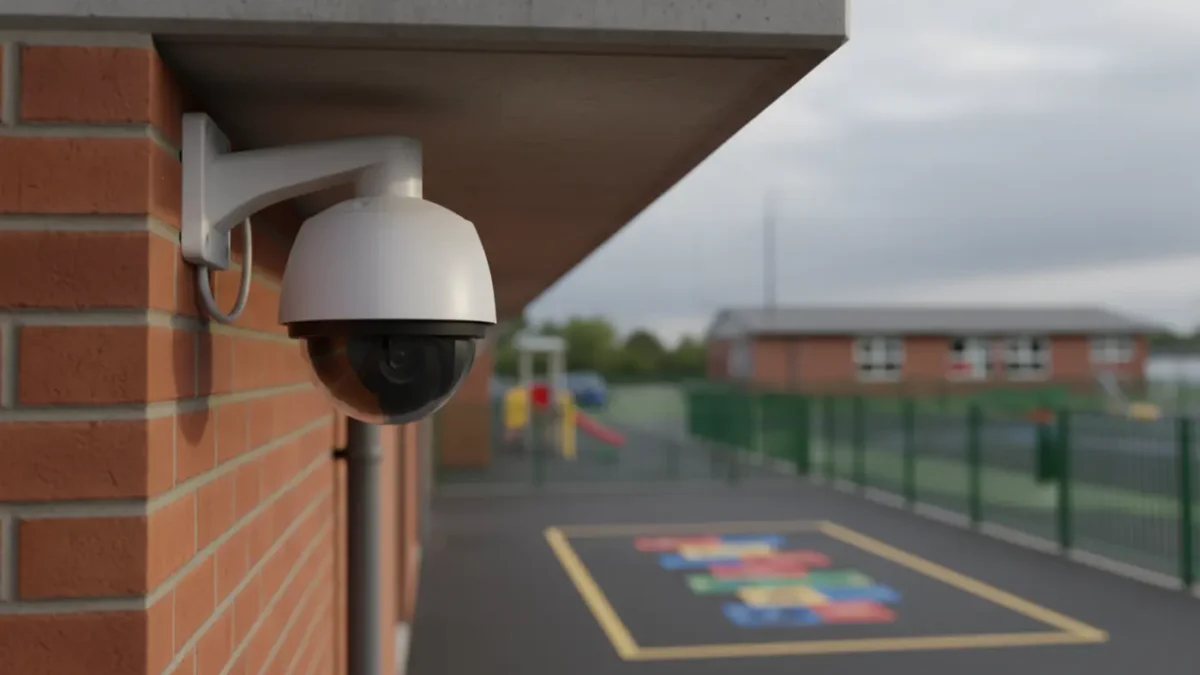
CCTV supports perimeter monitoring. It deters vandalism. It provides evidence when incidents happen. It also integrates with access control systems for schools so you know who is coming through the gate and when. Pair that with a properly specified commercial CCTV installation and you get accountability, not guesswork.
Why Manchester Schools Are Upgrading Security In 2025
Cut the nonsense. If your system is not installed by an SSAIB certified and Insurance Approved company, you are inviting problems with insurers. You also risk losing Police Response URN eligibility if alarms are linked.
Link CCTV to an alarm without EN 50131 compliance and you create insurance issues. Most primary schools sit at Grade 2. Higher risk sites move to Grade 3. That is not box ticking. It is about reliability and evidential quality. If you want to understand camera differences, see our guide on IP cameras versus CCTV systems.
DfE BB100 Guidelines And Fire Safety Compliance
BB100 is not optional. It outlines fire safety design for schools. If you upgrade security, you must check how it interacts with life safety systems.
Fire alarms in primary schools usually fall under BS 5839. Often Category L1 or L2, depending on layout and risk. Emergency lighting must comply with BS 5266. Monthly flick tests and annual full duration tests must be recorded. If you are unsure about frequency, read how often fire alarms should be tested.
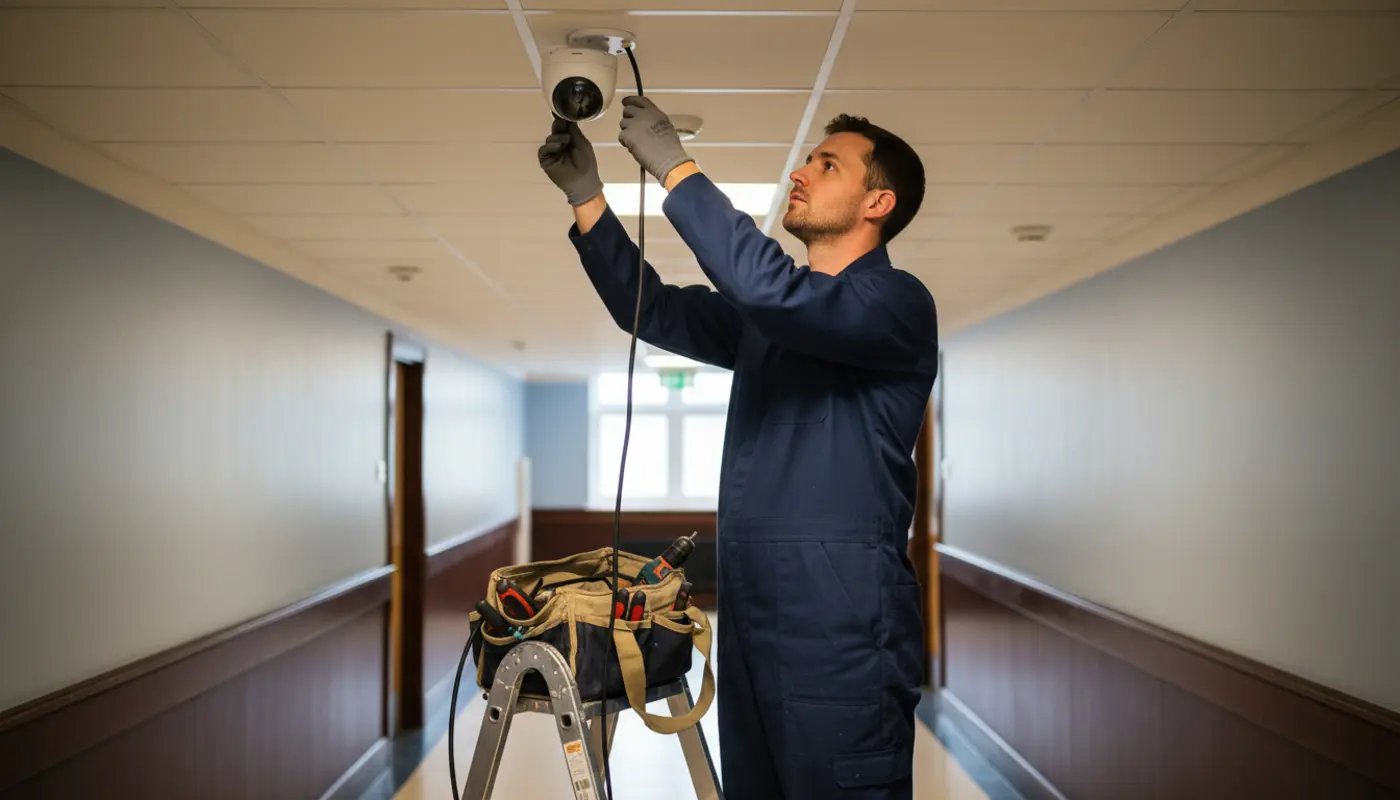
Security must not block evacuation routes. Cameras and cabling should be installed neatly and safely. No trailing wires across escape paths. Come on, this is basic.
How CCTV Supports Safeguarding Duties
Keeping Children Safe in Education sits at the core of safeguarding. Every staff member must understand Part One. You can review the official guidance on GOV.UK.
CCTV does not replace supervision. It supports it. It provides:
- Incident evidence capture
- Perimeter breach detection
- Visitor movement tracking
- Behaviour monitoring in key zones
- After hours deterrence
- Staff protection support
- Material for safeguarding reviews
Footage must be managed properly. Access must be restricted. Logs must be kept. Otherwise you are collecting data for no reason.
SSAIB Certified Installers And Why It Matters
Stop pretending accreditation is just a logo. SSAIB certified and Insurance Approved installers are independently audited. When insurers ask questions, that paperwork matters.
If CCTV links to monitored intruder alarms, EN 50131 compliance is essential. Grade 2 suits most primary schools. Higher risk sites require Grade 3. No certification means no URN. No URN means no Police response. Simple.
For long term reliability, schools benefit from structured security maintenance contracts in Manchester. Discovering a failed camera during a safeguarding investigation is not a position you want to be in.
Indoor And Outdoor CCTV Placement In Schools
Use common sense. Entrances, reception areas, playground perimeters, and car parks. Yes. Toilets and private changing areas. Absolutely not.
It comes down to proportionality. What risk are you addressing? If you are unsure about legal positioning, see guidance on where CCTV cameras can be pointed.
Outdoor coverage supports perimeter safeguarding. Indoor cameras focus on access points and shared spaces. Blanket coverage everywhere looks excessive and invites complaints.
GDPR And ICO Compliance In Schools
Here is what many schools forget. CCTV footage is personal data. Even if it is grainy. UK GDPR applies. The ICO is clear on lawful basis, transparency, and retention. You can review the guidance at ico.org.uk.
You must define why you record, how long you keep footage, who can access it, and how subject access requests are handled.
Thirty days is common unless an incident requires longer storage. Access should be limited to authorised senior staff. Not everyone with a login because they are curious.
Integrating CCTV With Access Control And Intercom
Let us be honest. A camera without access control is half a solution. You see someone at the gate. Now what?
Integration with access control for primary schools in Manchester allows staff to verify visitors before granting entry. Add intercom systems and audit logs and you create a controlled environment.
If network infrastructure is upgraded, it should follow BICSI best practice and be Fluke Certified. As built drawings and test certificates should be provided at handover. That protects the school long term.
Writing A CCTV Policy That Stands Up To Ofsted
Ofsted does not care how modern your cameras look. They care about safeguarding governance.
Your CCTV policy should cover purpose, lawful basis, camera locations, retention period, access controls, signage, review procedures, and complaint handling. It should link clearly to safeguarding and data protection policies.
For a compliance led example, see our article on CCTV for care homes in the North West. Different sector. Same compliance logic.
Funding CCTV Through School Condition Allocations
Money matters. Obviously.
School Condition Allocations and other capital funds can cover safeguarding improvements. Frame CCTV as risk mitigation, not a cosmetic upgrade.
Document incidents. Highlight vulnerabilities. Show how integration with intruder alarm systems built to EN 50131 supports after hours protection and Police Response URN eligibility through SSAIB certified and Insurance Approved installation. Governors understand risk when you present it properly.
Choosing The Right Manchester CCTV Supplier
Not all installers understand schools. Some treat them like small offices. Big mistake.
You need a supplier who understands safeguarding culture, DBS requirements, term time working limits, and compliance paperwork. Local response times matter. Long term support matters. Structured service contracts keep systems reliable.
iSecurity Solutions is a trusted UK provider of commercial and domestic security systems. We help homes and businesses stay protected around the clock. From CCTV and intruder alarms to fire safety systems designed to BS 5839, emergency lighting aligned with BS 5266, and fire extinguishers maintained to BS 5306 and BAFE SP101 principles, we deliver tailored solutions with responsive support. Whether securing one school or multiple sites, we provide the equipment, expertise, and peace of mind to keep what matters safe.
When something goes wrong in a primary school, it becomes serious quickly. Cameras do not fix everything. But not having clear, compliant footage when you need it is a mistake you only make once.