CCTV for Restaurants in Manchester: Licensing Conditions
CCTV For Restaurants In Manchester
Running a restaurant in Manchester is demanding enough without having to decode licensing law and data protection rules. CCTV plays an important role in keeping your premises compliant and your business protected.
If you run a restaurant, bar or cafe in Manchester, CCTV is not just about deterring theft. It connects directly to your premises licence, your insurance policy and your responsibilities under UK GDPR. If it is set up incorrectly, you could face issues during inspections, refused insurance claims or difficult questions from the council.
Licensing Conditions For Restaurant CCTV In Manchester
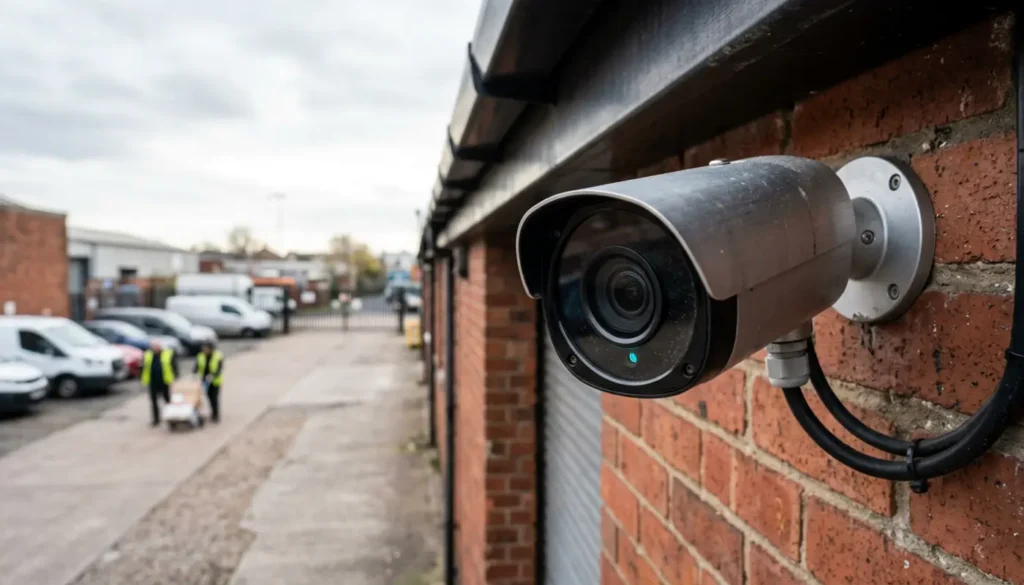
Under the Licensing Act 2003, Manchester City Council can attach conditions to your premises licence to support the four licensing objectives, including the prevention of crime and public safety. CCTV is not automatically required across the UK, but in busy areas of Manchester it is very common for licences to include detailed CCTV conditions.
The council model conditions explain that systems must meet Greater Manchester Police expectations, cover entry and exit points, record images of evidential quality and remain in good working order. You can review the official framework on the Manchester City Council CCTV model conditions page. In practice, this means reliable recording, correct time and date stamping, and trained staff who can download footage quickly when police request it.
Restaurant CCTV Manchester Licensing SSAIB Compliance
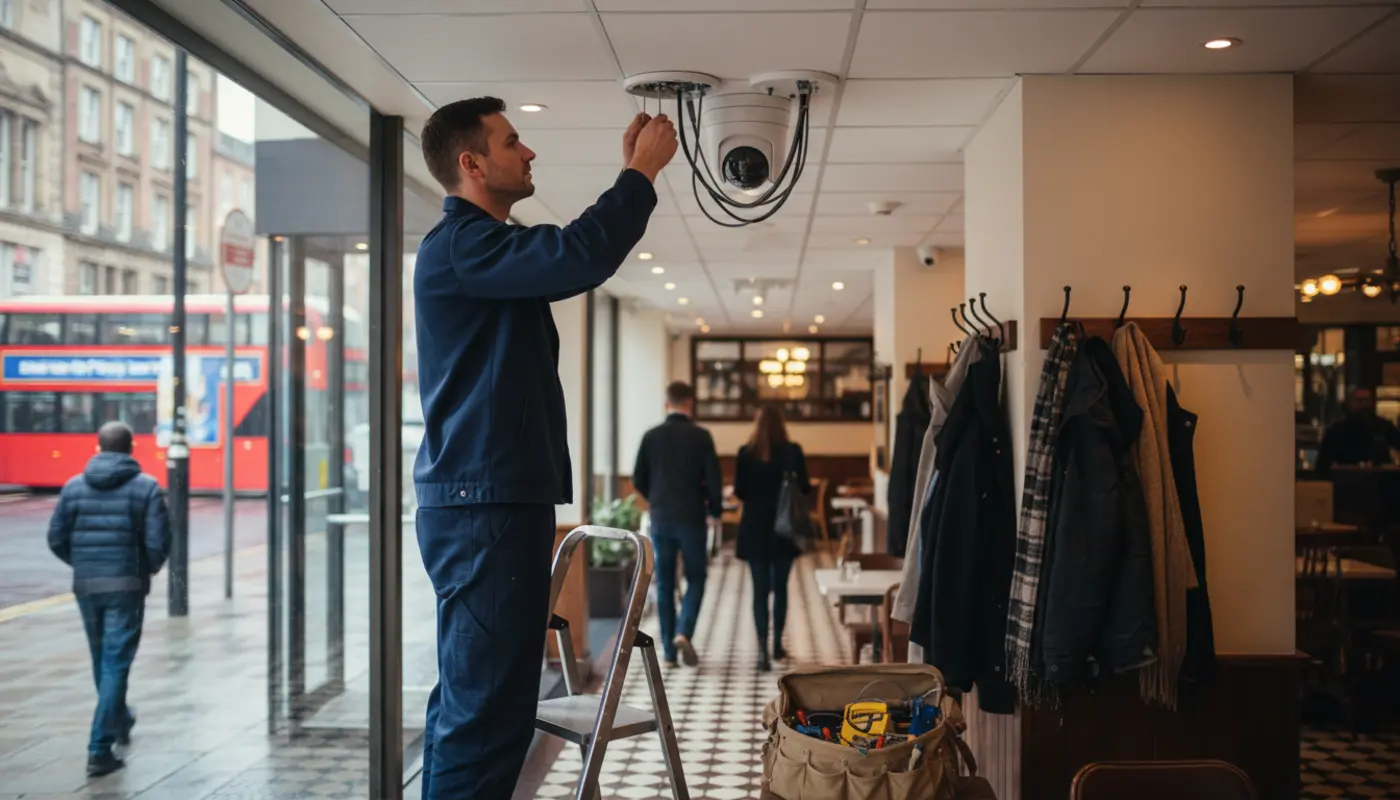
For restaurants that integrate CCTV with alarms or monitored systems, compliance with recognised standards is essential. Intruder alarms should meet EN 50131, usually Grade 2 or Grade 3 depending on risk level. If you require a Police Response URN, the system must be installed by an SSAIB certified and Insurance Approved company. Without this, police response will not be available for confirmed activations.
Working with an experienced business security specialist makes the process far simpler. Systems can be designed to satisfy licensing officers, insurers and operational needs without adding unnecessary complexity.
What GMP Compliant CCTV Looks Like In Practice
So what does GMP compliant CCTV really mean day to day?
It is not just about placing cameras on the wall. It means capturing clear facial images at entrances and tills, using suitable frame rates to record fast movement and providing enough storage to meet the retention period in your licence conditions, often around 28 to 31 days unless stated otherwise.
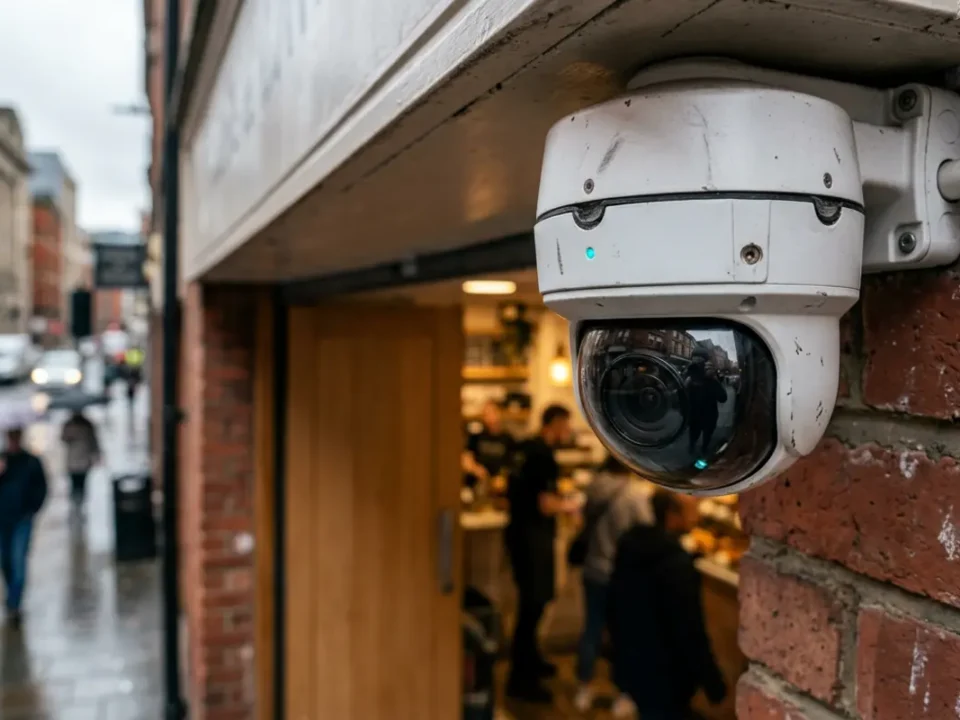
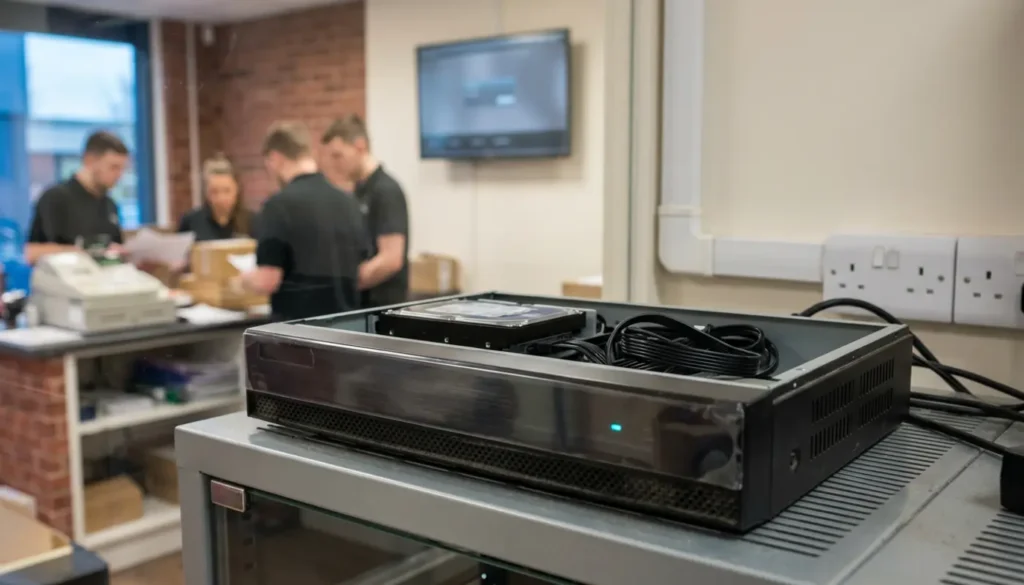
Most Manchester restaurants now choose HD or 4K IP cameras, especially in high traffic areas such as bars and entrances. IP systems allow secure remote access, straightforward footage export and smooth integration with other systems. If you would like a simple explanation of the differences, our article on IP cameras and CCTV differences explains it clearly.
ICO Registration And UK GDPR For Restaurant CCTV
CCTV footage that identifies individuals counts as personal data under UK GDPR. This means most Manchester restaurants must pay the ICO data protection fee and register as a data controller. You also need a lawful basis, usually legitimate interests, along with clear signage informing customers and staff that recording is taking place.
You can use CCTV to protect your premises, but you must follow data protection law as outlined on GOV.UK guidance on CCTV at commercial premises. In simple terms, only record what you genuinely need, store it securely and avoid keeping footage longer than necessary.
Subject access requests can feel stressful at first. If someone asks for footage of themselves, you normally have one calendar month to respond. This may involve redacting other individuals and keeping a record of your decision making. Having a clear internal policy and a trained manager responsible for CCTV access helps you handle requests calmly and correctly.
SSAIB Vs NSI Gold And Why It Matters
Both SSAIB and NSI are recognised UK certification bodies for security installers. For Manchester restaurants, the key point is reassurance. Insurers and licensing authorities want confirmation that systems are installed and maintained to recognised standards.
An SSAIB certified and Insurance Approved installer confirms that your CCTV and alarm systems meet required technical and operational benchmarks. Where alarms are linked to police response, SSAIB certification is required for obtaining a Police Response URN. Without it, you may not receive an official police response to confirmed alarm activations.
Choosing accredited installers also supports you during insurance renewals. Many public liability and employers liability policies expect professionally installed and maintained security systems. Evidence of SSAIB approval and service records can support claims and sometimes help during premium discussions.
Insurance Conditions And CCTV Specification
Restaurants usually carry public liability, employers liability and property insurance. Employers liability is a legal requirement in the UK. Insurers assess risk based on factors such as location, trading hours and security measures.
A properly specified CCTV system can strengthen your position during underwriting. Cameras covering entrances, bar areas and higher risk zones provide valuable evidence in slip and trip claims or alleged incidents. If your policy includes security conditions, failing to maintain your system could affect a payout, which is why regular servicing is so important.
Linking CCTV with intruder alarm systems built to EN 50131 standards, Grade 2 or Grade 3 where appropriate, improves overall risk management. For monitored systems seeking a Police Response URN, SSAIB certification and Insurance Approved status are essential requirements.
Camera Placement Guidance For Restaurants
Every restaurant layout is different, but certain areas almost always require coverage. You would normally cover:
- Main entrances and exits
- Side and rear doors
- Bar and till points
- Beer cellars and stock rooms
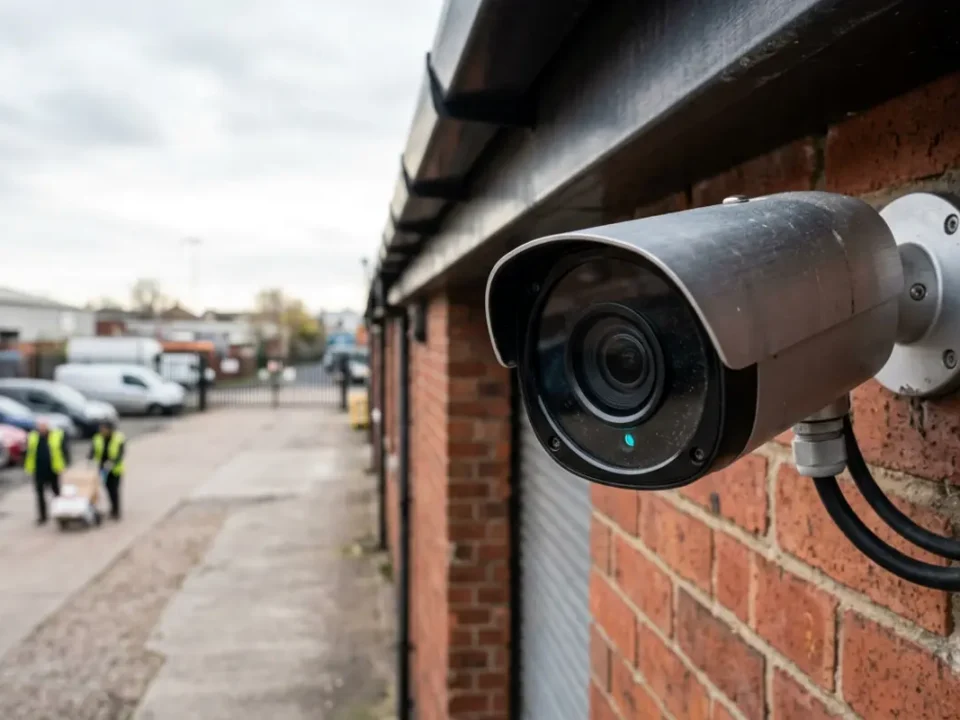
- External seating areas and smoking zones
Kitchens and storage areas often raise questions. You can monitor these spaces for safety and stock protection, but staff must be informed and coverage must not be intrusive. Toilets and changing areas must never be monitored. If you are unsure about camera angles and legal boundaries, our guide on where you can point CCTV cameras explains the limits clearly.
Good lighting, sensible mounting heights and overlapping camera views improve evidential quality without making guests feel uncomfortable. The aim is protection and reassurance, not an oppressive atmosphere.
Integration With Access Control And EPoS
Modern restaurant security works best when systems connect properly. Integrating CCTV with access control systems allows you to see who entered staff only areas and match that information with video footage if required.
EPoS integration can overlay transaction data onto recorded footage, helping you investigate voids, refunds or discrepancies more efficiently. For multi site operators across Manchester, secure remote access enables head office teams to review incidents without travelling between locations.
Behind the scenes, strong network cabling is essential for IP systems. Professional installations should follow best practice with fully tested infrastructure, ideally by BICSI or Fluke certified engineers. As built drawings and test certificates should be provided at handover to confirm everything has been installed correctly.
Cost Breakdown For Manchester Restaurant CCTV
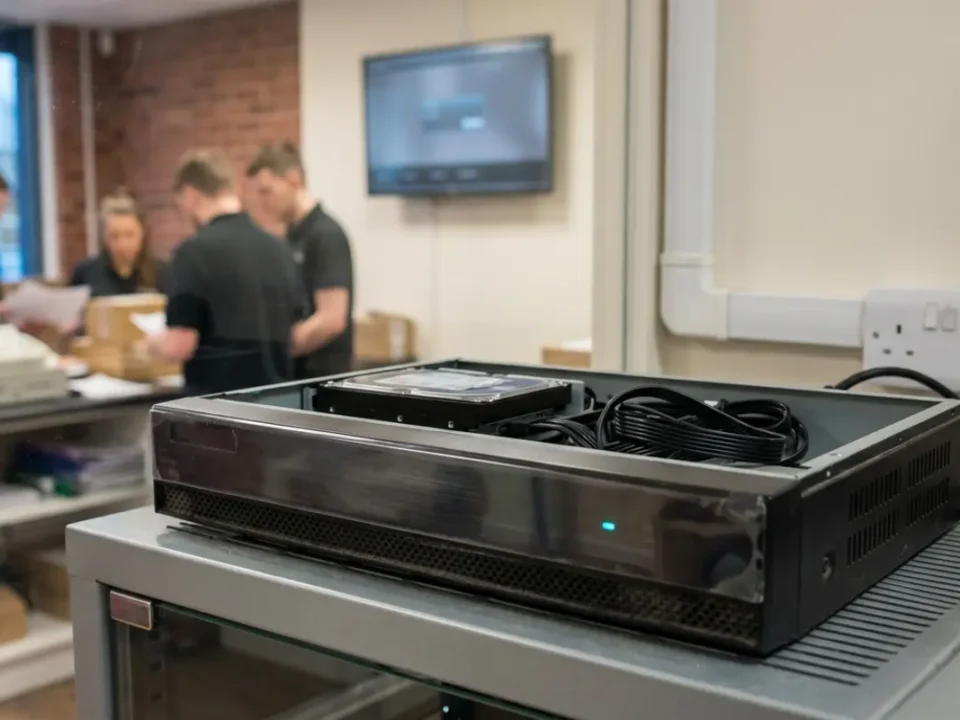
Costs vary depending on size and complexity. A small cafe may require four to six cameras, a network video recorder with around 30 days storage and secure remote access. A larger city centre restaurant with multiple floors and external areas could need 12 or more cameras, greater storage capacity and integrated alarm systems.
Typical costs include:
- Cameras and mounting hardware
- Network video recorder and storage
- Installation labour and commissioning
- Configuration, user setup and training
- Signage and GDPR documentation
- An SSAIB registered maintenance contract
If you would like a broader view of pricing structures, our article on SSAIB approved CCTV systems in Manchester explains how specification choices influence overall investment.
While choosing the cheapest option can be tempting, licensing compliance, insurance validity and evidential quality are long term considerations. A poorly specified system may cost far more in rejected claims or licence reviews.
Martyns Law And Protect Duty Preparedness
The Terrorism Protection of Premises Act 2025, often called Martyns Law, introduces duties for publicly accessible venues, with enhanced requirements for larger capacities. Many Manchester restaurants with capacities above 200 will need documented public protection procedures.
CCTV supports these duties by monitoring entry and exit points, identifying suspicious behaviour and assisting investigations after incidents. It should form part of a wider security plan that includes staff training, communication procedures and coordination with emergency services. You can read more about the developing requirements in our overview of Martyns Law.
Final Thoughts
Restaurant CCTV in Manchester is not just about watching the till. It sits at the centre of licensing conditions, UK GDPR responsibilities, insurance requirements and emerging Protect Duty obligations.
When designed correctly, it protects your staff, your customers and your reputation. iSecurity Solutions is a trusted UK provider of commercial and domestic security systems, helping homes and businesses stay protected around the clock. From CCTV and intruder alarms to fire safety, access control and construction site monitoring, our expert team designs reliable, tailored solutions backed by responsive service and modern, remotely monitored technology. Whether you are securing a single restaurant or managing multiple sites, the right specification and ongoing maintenance turn CCTV into a valuable business asset rather than a compliance burden.