How CCTV for Secondary Schools in the North West Helps
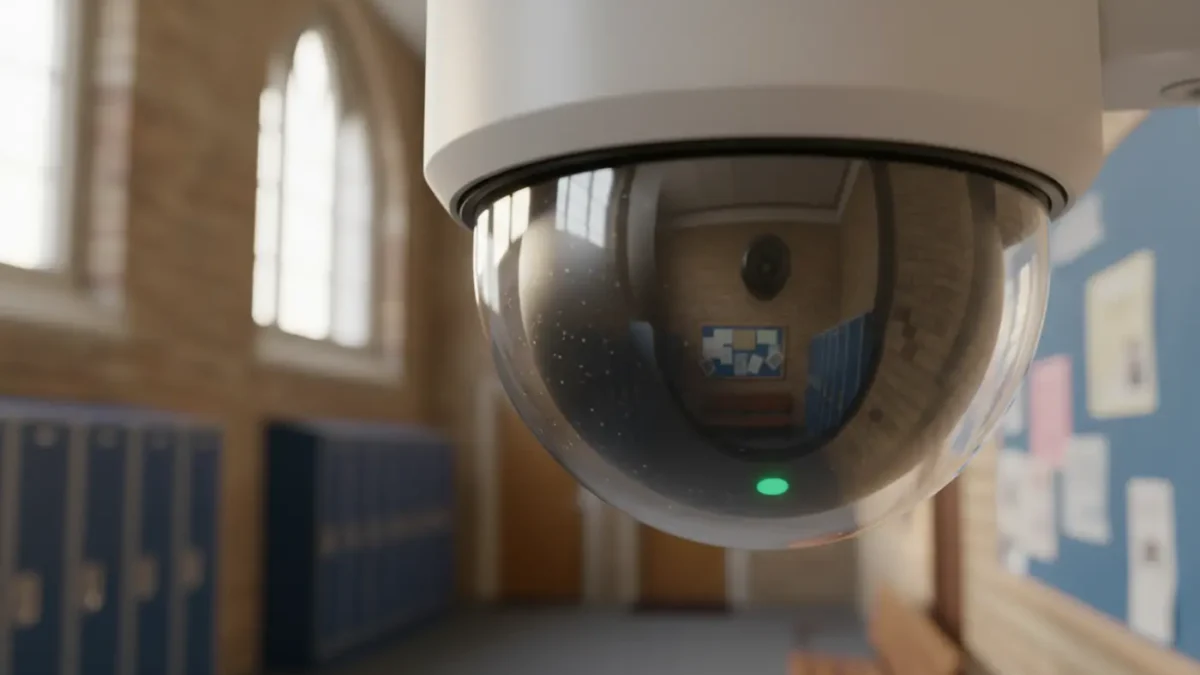
How does CCTV for secondary schools in the North West help keep students and staff safe while staying compliant with safeguarding and data protection rules?
It is a question many headteachers, DSLs and school business managers ask. Between safeguarding duties, Ofsted inspections and tight budgets, it can sometimes feel like you are juggling too much at once. The good news is that a well designed CCTV system can support behaviour management, site security and safeguarding without making your school feel over policed or uncomfortable.
At iSecurity Solutions, we support secondary schools across the region with Insurance Approved and SSAIB registered systems that are practical, compliant and built around real school life. We focus on solutions that work day to day, not just on paper. Let us sort this out together and make it feel straightforward.
CCTV For Secondary Schools In The North West
Across Greater Manchester, Merseyside and Lancashire, many schools are reviewing their approach to CCTV installation for education settings. Concerns about anti social behaviour, vandalism and unauthorised access mean governors are asking more detailed questions about site security and accountability.
There is also stronger focus on compliance. The Department for Education’s Keeping Children Safe in Education guidance makes it clear that leaders must create safe environments supported by robust systems and clear record keeping. CCTV is not a complete answer on its own, but when used properly and proportionately it becomes a valuable safeguarding tool.
Why Secondary Schools In The North West Are Reviewing CCTV Now
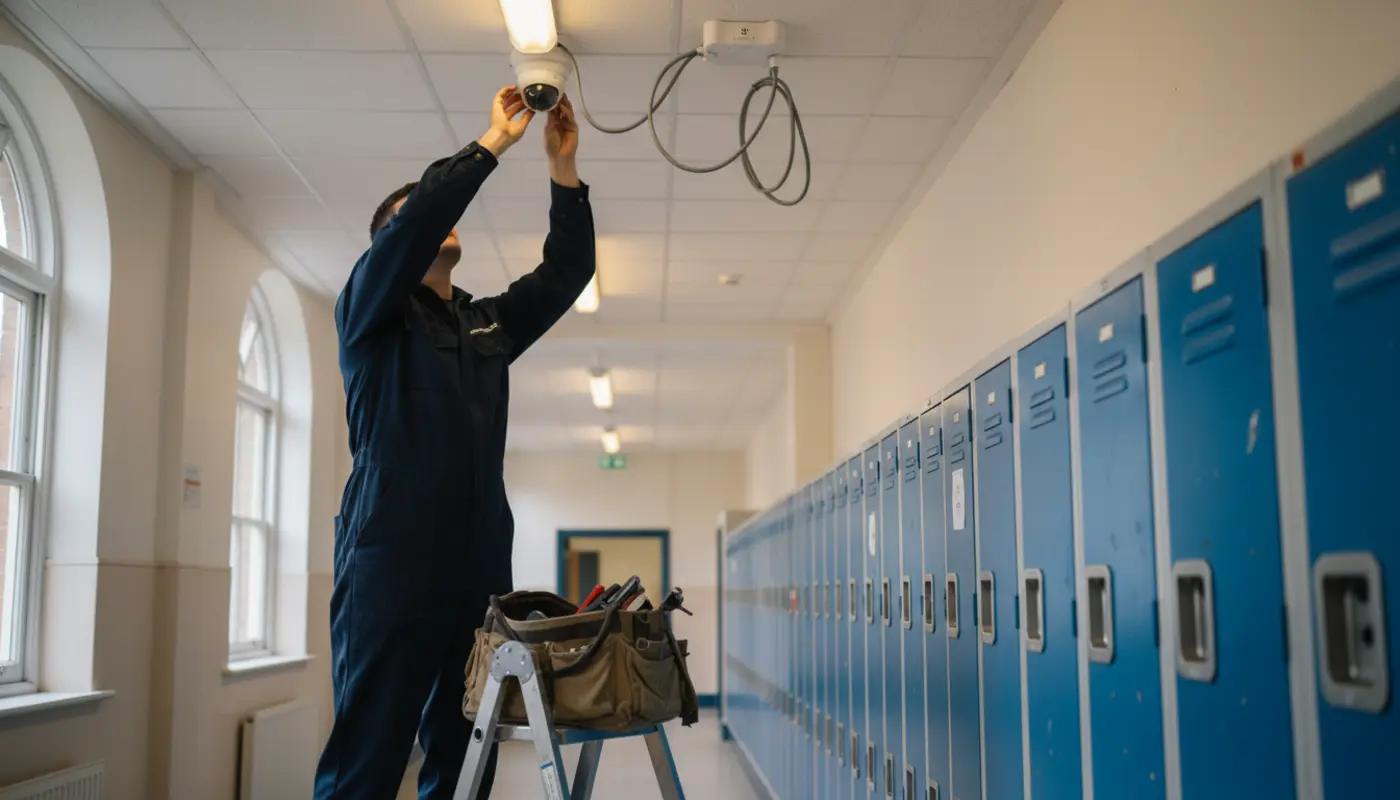
Rising repair costs, repeated site damage and concerns about student safety are pushing schools to take a closer look at their current systems. In many cases, cameras were installed years ago and may not meet current expectations for image quality, storage or compliance.
Schools are also looking at how CCTV links with other measures such as access control systems for schools and intruder alarm systems that comply with EN 50131 Grade 2 or Grade 3 depending on risk. When these systems work together and are installed by an SSAIB certified and Insurance Approved provider, schools can apply for a Police Response URN where required. Without that certification, police response to confirmed alarms may be limited.
How SSAIB Compliant CCTV Systems Support Safeguarding
When we talk about SSAIB compliance, we are referring to systems installed and maintained by an accredited company that meets recognised industry standards. This includes correct installation practices, secure recording and reliable performance. It also supports integration with intruder alarms that comply with EN 50131.
In simple terms, this means footage is recorded clearly, stored securely and accessed only by authorised staff. Where CCTV forms part of a wider security setup, proper certification helps schools meet insurer expectations and qualify for Police Response URN services. It may sound technical, but these standards protect the school if something serious happens.
Deterring Anti Social Behaviour And Vandalism
Empty school grounds in the evening can attract unwanted attention. Graffiti, broken windows and damaged fencing are not just costly. They disrupt learning and affect staff morale.
Visible and clearly signed CCTV around car parks, sports areas, perimeter fencing and bike sheds acts as a strong deterrent. When combined with monitored alarms that meet EN 50131 requirements and qualify for a Police Response URN, many schools see a noticeable reduction in repeat incidents. Cameras alone do not solve behaviour issues, but consistent follow up and clear communication that incidents are investigated can make a real difference.
- Perimeter coverage zones
- Car park monitoring
- Bike shed protection
- Remote viewing access
- Secure footage storage
- Clear signage display
- Incident review logs
Reducing Bullying In Corridors And Communal Areas
Bullying often takes place in corridors, stairwells and outdoor areas where supervision is lighter. CCTV in these locations helps pastoral teams understand what actually happened, rather than relying only on conflicting accounts.
This is not about constant surveillance. It is about safeguarding. When students know communal spaces are monitored, behaviour often improves. If serious incidents occur, footage can support a fair investigation alongside witness statements and behaviour records. We discussed similar principles in our guide to CCTV for primary schools in Manchester, and many of the same ideas apply in secondary settings, just on a larger scale.
Protecting Staff From False Allegations And Violence
One concern senior leaders quietly share is the risk of false allegations against staff. Even when unfounded, they are stressful and time consuming. CCTV in reception areas and appropriate communal spaces can provide clear and objective evidence.
Footage supports transparent investigations and can also assist police if there are incidents involving aggressive behaviour. It protects both staff and pupils by ensuring decisions are based on facts rather than assumptions.
Monitoring Entrances And Preventing Unauthorised Access
Large secondary schools often have multiple entrances and shared community facilities. Managing visitors and contractors is not always simple. CCTV linked with controlled access points allows office teams to verify visitors before entry and maintain accurate records.
This also supports Prevent duty responsibilities. Monitoring unusual access patterns or attempts to bypass reception can help schools act early while remaining proportionate. Where incidents escalate, footage can be shared lawfully with local police forces as part of safeguarding arrangements.
Providing Evidence For Disciplinary Decisions
Exclusion hearings and serious behaviour investigations must be fair and evidence based. CCTV footage can clarify events when accounts differ, helping governors and senior leaders make informed decisions.
Systems must be governed carefully. Access to footage should be restricted and logged, and retention periods must follow UK GDPR principles of storage limitation and purpose limitation. Clear procedures protect everyone involved.
Compliance With ICO And UK GDPR Requirements
Data protection can feel heavy, but it becomes manageable with the right structure in place. The ICO requires schools to have a lawful basis for CCTV, clear signage and defined retention policies. A Data Protection Impact Assessment is usually required before installing or significantly upgrading a system.
Schools must show that CCTV use is necessary, proportionate and secure. That includes password protected systems, restricted user roles and clear privacy notices. When parents request access to footage involving their child, procedures must ensure responses are handled within statutory timescales. If your IT team is reviewing storage and network security, it may help to understand the difference between IP cameras and traditional CCTV.
Supporting Ofsted Inspections And Safeguarding Culture
Ofsted does not assess cameras in isolation. Inspectors look at the overall safeguarding culture. They want to see that pupils feel safe and that leaders respond effectively to concerns.
A well managed CCTV system supports this by providing incident logs, review records and evidence of follow up actions. Regular servicing is equally important. Schools that invest in security maintenance contracts in Manchester and across the North West ensure cameras remain operational and compliance records stay up to date. An SSAIB registered and Insurance Approved maintenance provider also supports continued eligibility for Police Response URN where applicable.
Working With Local Police And Safeguarding Partners
When serious incidents occur, clear procedures for exporting and sharing footage help investigations move quickly. Audit trails should record who accessed footage and when, ensuring transparency.
Under the Working Together to Safeguard Children framework, schools are part of wider safeguarding partnerships. CCTV evidence can support multi agency discussions where appropriate, provided data protection rules are followed carefully.
Practical Next Steps For Schools
If you are reviewing your current setup, begin with a site audit. Identify blind spots, check image quality and confirm retention settings. Confirm that your system has been installed by an SSAIB certified and Insurance Approved provider and that any linked intruder alarms comply with EN 50131 standards. If that sounds technical, do not worry. We can work through it together.
Review your CCTV policy, confirm signage is visible and ensure governors understand both the benefits and limits of surveillance. Staff training is also important so everyone knows how to report incidents, request footage and maintain confidentiality.
iSecurity Solutions is a trusted UK provider of commercial and domestic security systems, helping homes and businesses stay protected around the clock. From CCTV and intruder alarms to fire safety systems designed in line with BS 5839, emergency lighting compliant with BS 5266, fire extinguishers maintained to BS 5306, fire risk assessments following PAS 79 methodology, access control and construction site monitoring, our expert team designs reliable and tailored solutions backed by responsive service and modern remotely monitored technology. Our engineers hold relevant industry certifications including BAFE SP101 for portable fire equipment and structured cabling competencies aligned with BICSI standards, tested using professional Fluke equipment. Whether you are securing a single school site or managing multiple academies, we provide the equipment, expertise and peace of mind to keep what matters most safe.