LED Display Screens for Car Showrooms in Manchester
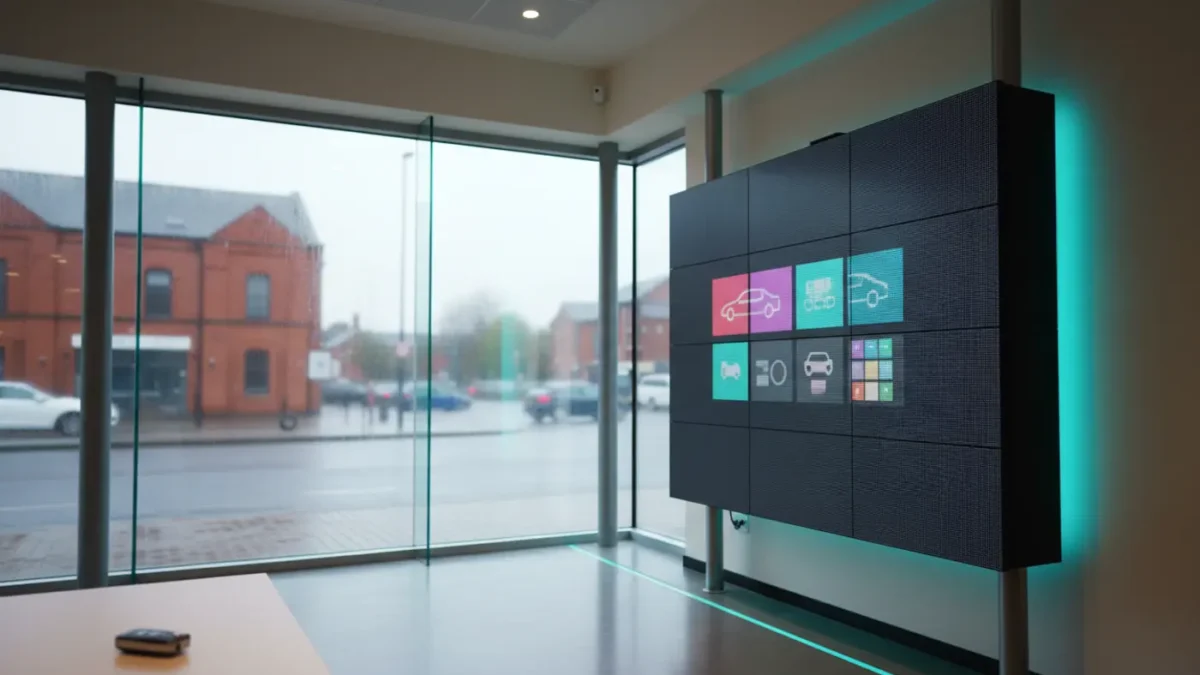
LED Display Screens In Manchester
LED display screens are a strong choice for Manchester car showrooms because they help finance offers, new model launches, used car deals and brand messages stand out quickly. For dealerships on busy roads through Trafford, Stockport, Salford, Bolton and central Manchester, a bright and well planned screen can help turn passing traffic into real showroom enquiries. iSecurity Solutions is a trusted UK provider of commercial and domestic security systems, and can also support your site with fully insured installation, practical advice and a structural survey where needed.
Static posters still have a place, but they cannot keep up with changing stock, monthly finance offers or manufacturer campaigns that move quickly. A modern LED screen lets your team update promotions with ease, keep messages consistent and give the showroom a sharper, more premium feel without printing new point of sale material every few days.
For car showrooms, the aim is not simply to buy the biggest screen available and hope it works. That can become expensive very quickly. iSecurity Solutions helps dealerships choose screens that suit the viewing distance, window position, local planning rules, manufacturer guidance and day to day content needs, so the display looks smart and works hard rather than becoming a very bright wall feature with little purpose.
Why LED Display Screens Suit Car Showrooms
LED display screens suit car showrooms because they make key sales messages clear, bright and easy to change. Manchester dealerships need signage that works indoors, through glass and across busy roads where drivers may only have a few seconds to notice an offer.
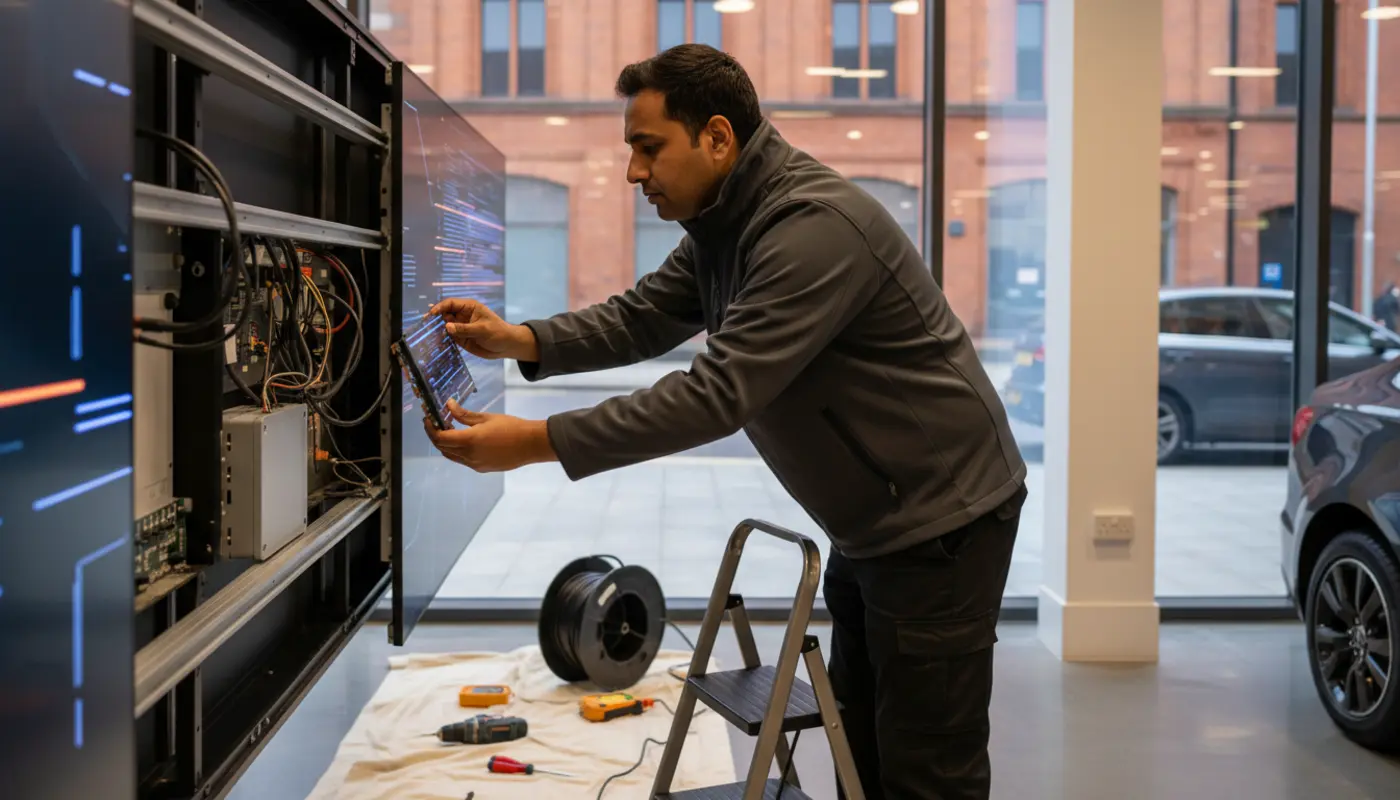
Digital signage is also useful because car buying is now very visual. Electric vehicle benefits, finance examples, trim levels, colour choices and service offers are easier to explain when customers can see them clearly on a screen. A display can show a monthly payment, a short walkaround video or a limited time offer in a way that feels more engaging than a printed poster beside a coffee machine.
If you are unsure whether your screen should face the road, the showroom floor or both, it is worth answering that before installation. If you are already reviewing site presentation, customer safety and daily operations, it can also be sensible to look at wider business security systems, because showroom technology works best when displays, access, alarms and site monitoring are planned as one joined up environment.
Indoor And Outdoor LED Screens For Showrooms
Indoor and outdoor LED screens are built for different jobs, so choosing the right type matters before any brackets, cables or screens are fitted. Indoor LED screens are best for showroom floors, waiting areas, finance desks and feature walls, while outdoor LED screens are designed for forecourts, roadside visibility and areas exposed to rain, wind and changing temperatures.
Indoor LED Screens For Showroom Floors
Indoor screens are usually chosen for close viewing, so image clarity and colour accuracy matter more than very high brightness. They work well behind a new model launch vehicle, above a reception desk, beside an electric vehicle information area or as a feature wall for manufacturer videos.
For a premium dealership, an indoor LED video wall can create a real sense of occasion without feeling too much. It can welcome customers, show lifestyle content, explain finance options and support sales conversations without your team having to swap printed banners every time an offer changes.
Outdoor LED Screens For Forecourts And Windows
Outdoor screens need to be tougher, brighter and more carefully planned because they must deal with daylight, rain, glare and passing traffic. In Manchester, where bright sunshine, grey skies and heavy rain can all appear in the same day, outdoor installations usually need strong weather protection and automatic brightness control.
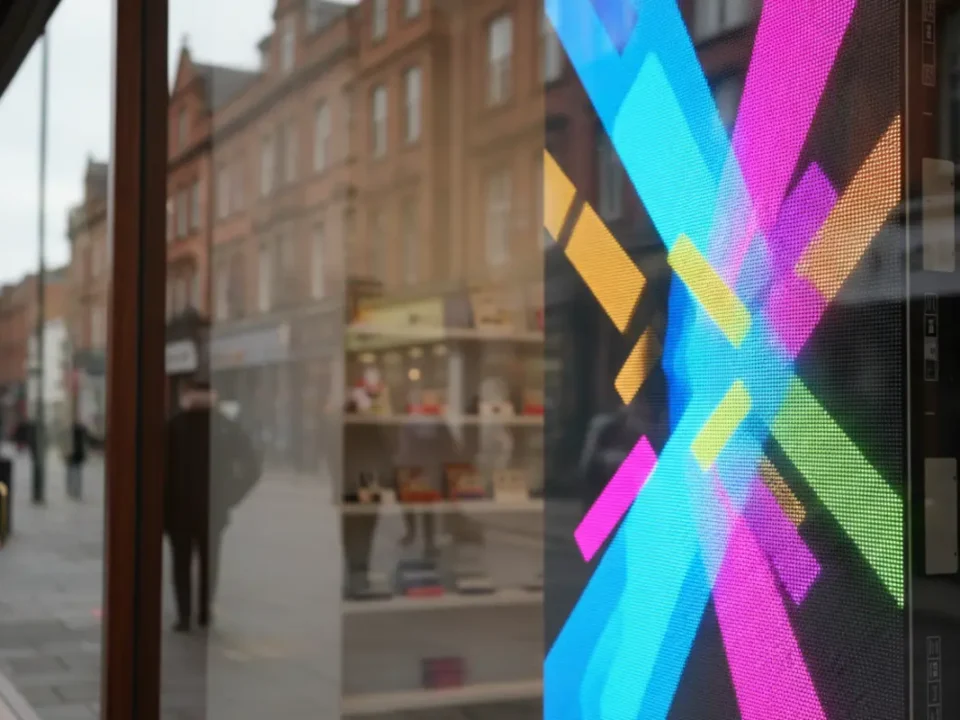
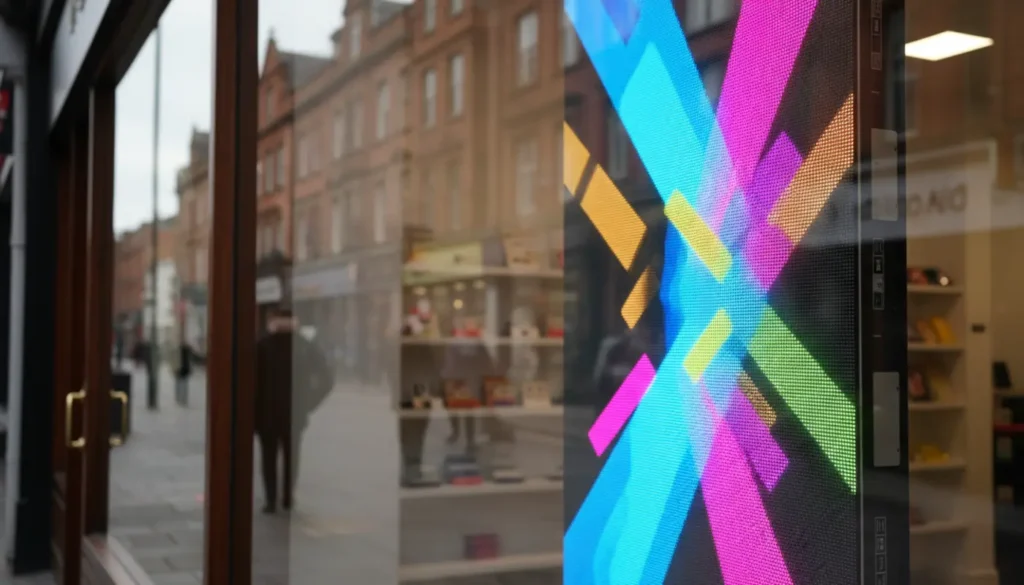
A window facing screen may not always need a fully outdoor rated cabinet if it sits safely behind glass, but it still needs enough brightness to cut through reflections. If your main aim is roadside attention, a dedicated outdoor screen is often the better option because it is designed for visibility, ventilation and long operating hours.
Pixel Pitch For Car Showroom LED Screens
Pixel pitch is the space between the tiny LED points that create the image, and it has a big effect on how sharp the screen looks. A smaller pixel pitch gives a clearer image at close range, which matters when customers are standing just a few metres from a display while looking at a vehicle.
A simple way to think about it is that the pixel pitch in millimetres roughly matches the closest comfortable viewing distance in metres. For example, a P2 screen is usually suitable from around two metres away, while a P2.5 screen tends to look comfortable from around two and a half metres or more.
For most Manchester car showrooms, indoor screens near vehicles, desks and customer walkways often sit around P1.8 to P2.5. Prestige sites or flagship launch areas may choose finer pitch options such as P1.5 or below, but that should be based on viewing distance and content needs, not simply because it sounds impressive.
There is also a budget balance to consider. Fine pixel pitch can look excellent close up, but it usually costs more. There is little value in paying for very fine resolution if most viewers will be across the showroom or outside on the pavement.
Brightness And Weather Protection In Manchester
Brightness is measured in nits, which tells you how bright a display appears to the viewer. Indoor showroom screens usually need far less brightness than outdoor screens because they are not fighting direct daylight, reflections and moving traffic.
Outdoor roadside screens generally need high brightness, strong contrast and automatic dimming, so they stay visible during the day without becoming harsh at night. That matters in Manchester because winter afternoons can be gloomy, while late summer sun through a showroom window can still create glare in the wrong position.
Weather protection is just as important as brightness for forecourt screens. An outdoor LED display should be built to handle rain, moisture, dust and temperature changes. Many installations will look for an IP65 style rating, which means strong protection against dust and water jets.
The less exciting parts of the job are often the parts that protect your investment. Ventilation, cable routes, drainage, fixing points, access for maintenance and a proper structural survey all affect reliability, especially on exposed forecourts near main roads.
Dynamic Content For Finance Offers And Promotions
The strongest dealership screens do more than show polished car videos on repeat, although a well filmed alloy wheel close up has its place. They help customers understand current finance examples, deposit contributions, electric vehicle benefits, service plans, weekend events and stock priorities.
Finance content works well when it is clear, compliant and easy to read in seconds. A strong screen layout might show the model, monthly payment, deposit, term, mileage, representative APR and a simple call to action. Full legal details can then be made available through the sales team or nearby printed information.
Used car promotions can also benefit from dynamic content, especially when stock changes quickly. A dealership can highlight new arrivals, nearly new vehicles, approved used offers or cars that need more attention before month end, without waiting for new posters to be designed and delivered.
Branding And Manufacturer Guidelines
Main dealer showrooms often have strict manufacturer standards, and LED screen content should respect those rules. That means using approved logos, colours, fonts, images, wording and offer layouts, rather than creating content that looks bright but does not match the brand.
The screen itself should also fit the showroom design, not fight against it. Cabinet depth, screen edges, mounting position, hidden cabling and brightness should all support the manufacturer environment, whether the site feels premium, sporty, family focused or electric first.
For multi site dealership groups, consistency becomes even more important. A central content approach helps each location promote local stock while still keeping manufacturer campaigns clear, accurate and on brand.
Footfall And Passing Traffic Visibility
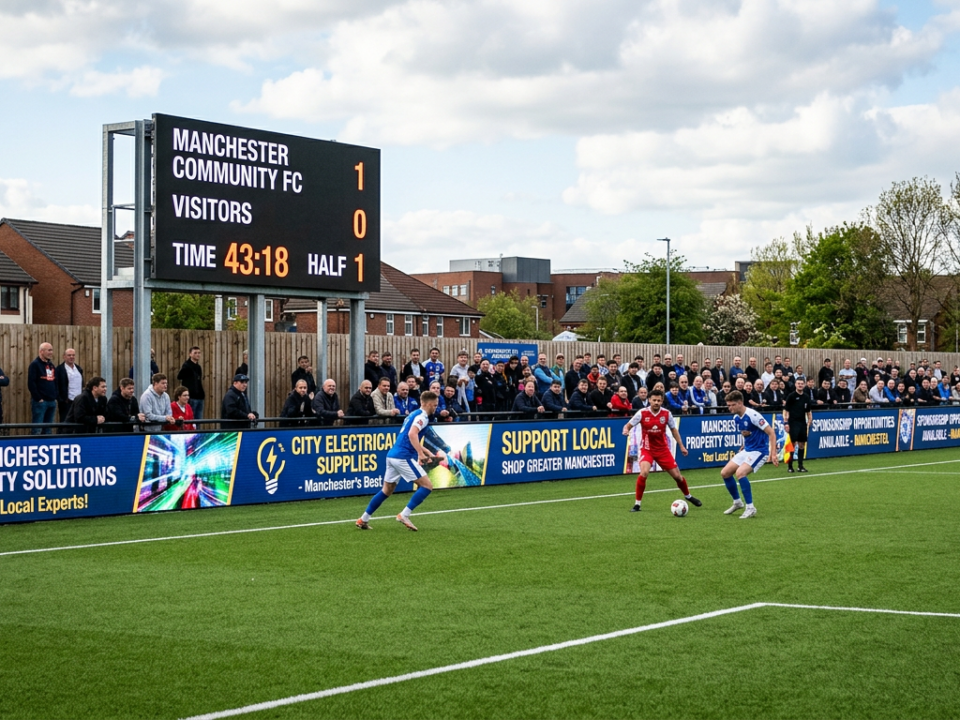
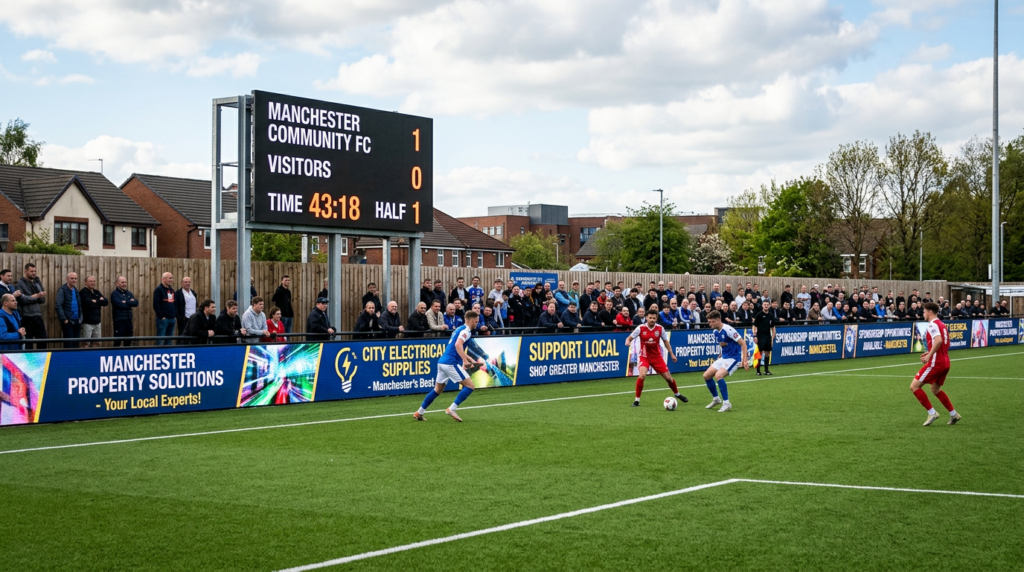
Manchester dealerships often sit on roads where people are commuting, shopping or moving between business parks, so screen visibility needs to be planned around real movement. A message that works for a pedestrian outside the window may not work for a driver passing at 30 mph, because the driver has far less time to read it.
For roadside screens, messages should be short, bold and focused on one idea at a time. A finance offer, a model launch, a service reminder or a used car event can all work well. Cramming five offers onto one slide usually makes the message harder to read and less useful.
Window screens need careful positioning too, because reflections, parked vehicles and showroom lighting can reduce impact. A site survey should consider sightlines from pavements, road approaches, customer parking areas and the sales desk, so the screen is visible without creating glare or distraction.
If you want the screen to attract attention without annoying drivers or causing planning concerns, the answer is sensible brightness, clean content and a mounting position that has been properly assessed.
Content Management For Multi Site Dealerships
A content management system, often called a CMS, is the software that lets your team control what appears on each screen. For dealership groups with locations across Manchester, Stockport, Oldham, Bolton or wider North West areas, remote updates are a major advantage.
A good CMS lets head office schedule manufacturer campaigns, local managers promote site specific stock and marketing teams update finance examples without travelling from branch to branch. It can also use playlists, approvals and timed schedules, so breakfast commuters see one message while Saturday shoppers see something more retail focused.
This is where LED screens become more than signage. They become a managed marketing channel that can react quickly to interest rate changes, vehicle arrivals, event weekends and quarterly manufacturer targets.
For sites that need ongoing support beyond the first installation, planned service support helps keep systems maintained, checked and updated. That is far better than discovering a blank screen during a major sales weekend.
Planning Permission And Signage Rules In The UK
UK planning rules matter for LED screens, especially when a display is illuminated, road facing or positioned on a forecourt. Some signs may fall under deemed consent, but larger or brighter LED advertising screens often need express consent from the local planning authority.
The official GOV.UK outdoor advertisements guide explains how advertisement consent works, including rules around forecourt signs, illumination and public safety. It is a useful starting point, although local advice from Manchester City Council or the relevant Greater Manchester borough should always be checked before installation.
Dealerships should think about size, brightness, movement, operating hours and whether the screen could distract drivers. A well designed proposal with sensible brightness control and clear mounting details is much easier to discuss with planners than a vague plan to place a giant glowing screen by the roadside.
Cost, Return On Investment And Energy Efficiency
The cost of an LED screen depends on size, pixel pitch, brightness, indoor or outdoor rating, mounting structure, CMS features and installation complexity. Outdoor screens usually cost more because they need tougher cabinets, weather protection, higher brightness and stronger fixing arrangements.
Return on investment should be measured against more than the screen itself. Dealerships can look at enquiry uplift, finance product interest, event attendance, reduced print costs, faster campaign changes and better use of window or forecourt space.
Energy efficiency has improved a lot, and modern LED screens can use brightness schedules and automatic dimming to reduce running costs. The key is to avoid running every screen at full power all day, because that wastes energy and can make the display uncomfortable to view.
Implementation Checklist For Manchester Dealerships
- Define the goal. Decide whether the screen is for finance offers, brand impact, roadside awareness, stock promotion or customer information.
- Measure viewing distance. Choose pixel pitch based on where customers, pedestrians and drivers will actually view the screen.
- Check the environment. Assess daylight, reflections, rain exposure, mounting points, power access and maintenance access.
- Review planning needs. Check advertisement consent rules before committing to a road facing illuminated screen.
- Plan content ownership. Decide who updates offers, approves manufacturer assets and checks finance wording.
- Include maintenance. Arrange inspection, cleaning, software support and fault response so the display stays reliable.
Final Thoughts
LED display screens are now a serious marketing tool for Manchester car showrooms, not just a shiny extra for flagship sites. When screen size, pixel pitch, brightness, weather protection, CMS and planning are properly matched to the dealership, the result can improve visibility, sharpen brand presentation and support better sales conversations.
The best results come from treating the screen as part of the wider showroom experience. With the right design and support, it can help your dealership promote finance offers clearly, showcase vehicles beautifully and stand out on busy Manchester roads without creating unnecessary compliance or maintenance problems.