CCTV for Care Homes in the North West: SSAIB-Approved Systems
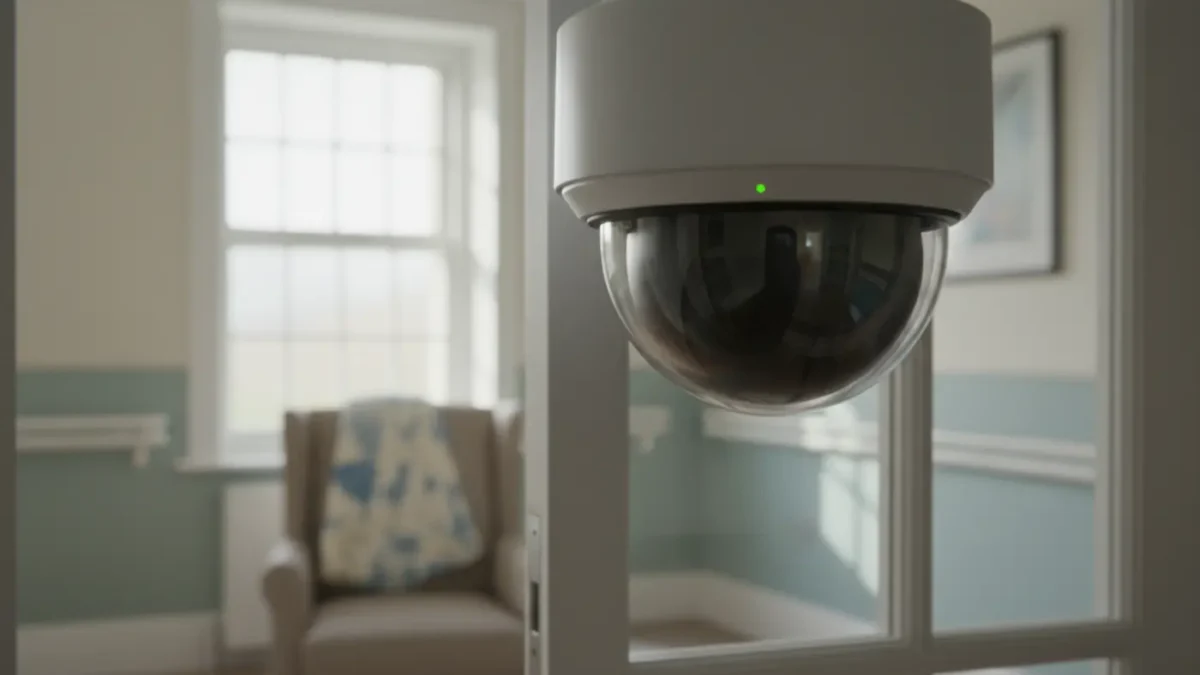
If you run a care home in the North West and still think CCTV is optional, we need to talk.
Worried about cost, paperwork and the privacy debate? Fine. Those are valid concerns. But safeguarding is not optional. CQC scrutiny is not getting lighter. Families expect transparency. They expect it now.
That is where properly designed, Insurance Approved CCTV comes in. At iSecurity Solutions CCTV installation services, we design SSAIB certified systems that support compliance, protect residents and deliver usable footage when something goes wrong.
Care Home CCTV North West CQC SSAIB Is Now A Safeguarding Essential
Here is what is actually happening. Care homes across Greater Manchester, Merseyside, Lancashire and Cheshire are under pressure. Safeguarding incidents. Falls. Wandering residents with dementia. Staff shortages. More detailed CQC inspections.
Installing commercial security systems for care homes is not just about stopping intruders. It is about evidence and accountability. When done properly, care home CCTV North West CQC SSAIB systems create a clear audit trail. That matters when inspectors ask hard questions.
What SSAIB Approval Means For UK Care Homes
Cut the nonsense. A couple of bargain cameras and a handyman with a drill is not a safeguarding strategy. It is a liability.
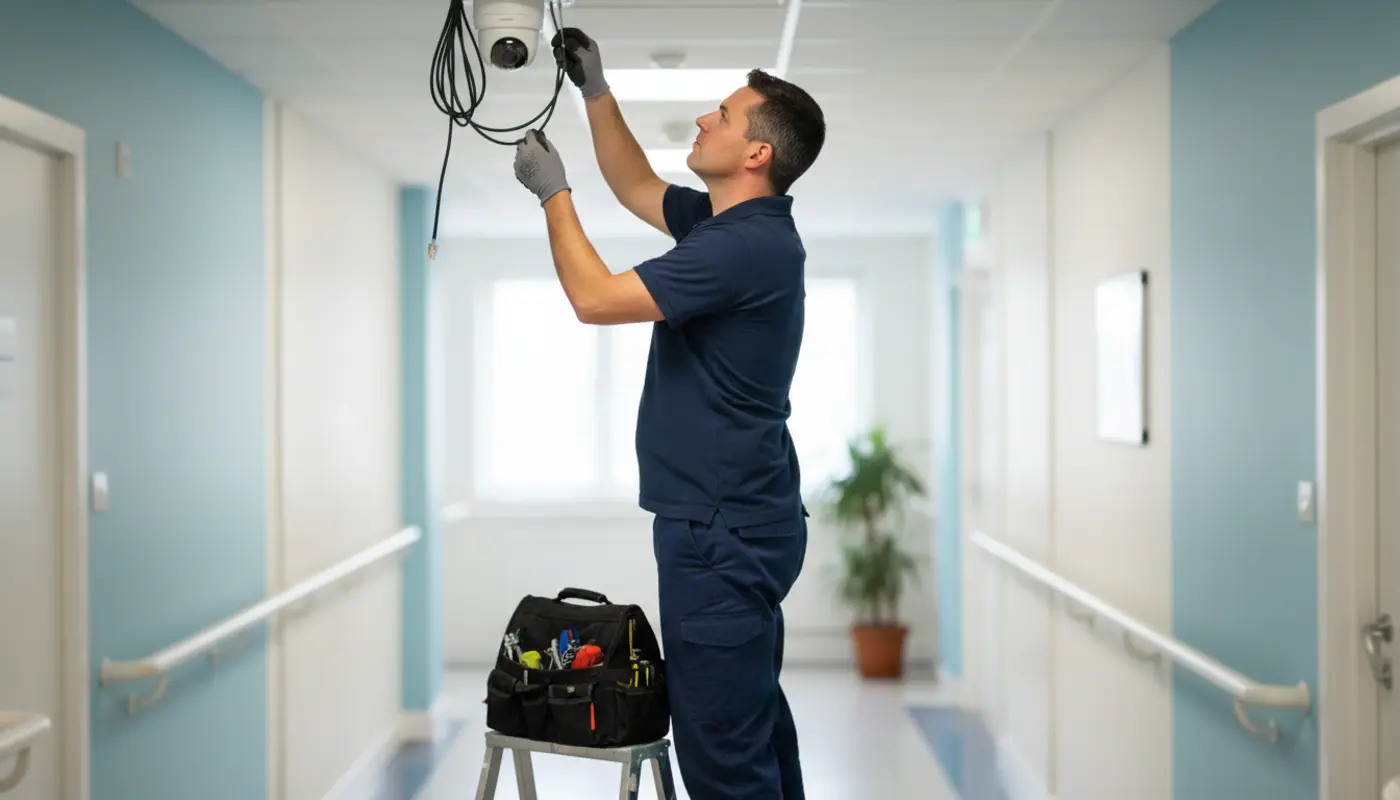
SSAIB is a UKAS accredited certification body. When your CCTV system is installed by an SSAIB certified company, it means the design, installation and maintenance follow recognised standards. For CCTV, that includes compliance with EN 50131 where systems integrate with intruder alarms. This is usually Grade 2 or Grade 3 depending on risk.
More importantly, SSAIB certified systems are Insurance Approved. That keeps insurers satisfied and supports eligibility for a Police Response URN where CCTV links with monitored intruder alarms or perimeter detection. No SSAIB certification. No URN. It is that simple.
If your care home also uses monitored intruder alarms, read this breakdown of SSAIB certified and Insurance-Approved intruder alarms. The same compliance logic applies. You either meet the standard or you do not.
Obviously, CCTV is not a substitute for good care. The Care Quality Commission makes that clear in its guidance on using surveillance in care services. You can read it directly from the regulator at CQC guidance on surveillance in care services. Cameras support care. They do not replace it.
Let us be blunt. If a serious allegation lands tomorrow, would you rather rely on statements and guesswork or actual footage?
UK Legal Requirements For Installing CCTV In Care Homes
Stop pretending CCTV is just about plugging in cameras and walking away. In a care setting, you are handling personal data. Sometimes very sensitive data. UK GDPR and the Data Protection Act 2018 apply in full.
You need a lawful basis. A clear purpose. A Data Protection Impact Assessment. Transparent signage. Written policies.
The ICO guidance on video surveillance is clear. You must justify why cameras are there and why the intrusion is proportionate. Bedrooms and bathrooms are generally off limits. Only in exceptional safeguarding cases, with documented best interests decisions under the Mental Capacity Act.
If you cannot explain your CCTV setup to an inspector in plain English, without hiding behind jargon, you are not ready for inspection.
How CCTV Protects Vulnerable Residents Across North West Care Homes
Now the practical bit.
CCTV helps you:
- Investigate falls quickly
- Review safeguarding concerns
- Monitor entry points
- Deter opportunistic theft
- Support dementia safety
- Evidence staff response times
- Resolve complaints fairly
Here is a simple scenario. A resident is found on the floor at 3am. No one is sure how long they were there. Without footage, you rely on assumptions. With correctly positioned corridor and communal area cameras, you review the timeline within minutes.
Not to blame. To learn. To improve.
We explored similar layout planning principles in this guide on CCTV layouts and compliance. Different environment. Same rule. Design first. Install second. Come on, guessing camera angles after installation is how blind spots happen.
Balancing Resident Privacy And Security Under UK GDPR
This is where people get nervous. And they should.
Residents have rights. Families have concerns. Staff do not want to feel constantly watched. So balance matters.
That means clear CCTV policies. Consultation with residents and relatives. Visible signage. Restricted access to footage. Defined retention periods. Secure storage.
If you are unsure about camera positioning, read this practical guide on where you can legally point CCTV cameras. It explains domestic and commercial boundaries in simple terms.
Here is the key question. Can you justify every single camera if challenged? If the answer is no, fix that before an inspector forces the conversation.
Using CCTV To Meet CQC Standards
CQC inspectors are not impressed by flashy kit. They care about governance.
Show them:
- Your CCTV policy
- Your DPIA document
- Access control logs
- Your retention schedule
- Staff training records
- Maintenance certificates
SSAIB certified and Insurance Approved systems support that audit trail. They show you are not cutting corners and that maintenance is ongoing.
If you are reviewing wider compliance, including fire systems, look at fire alarm requirements for care homes in the North West. Fire systems must comply with BS 5839, usually Category L1 or L2 in care environments. Compliance is never just one system. It is the whole picture.
Indoor Vs Outdoor CCTV Coverage In Care Home Environments
Indoor cameras usually cover:
- Main entrances
- Reception areas
- Corridors
- Communal lounges
- Dining areas
- Medication rooms
Outdoor cameras focus on:
- Car parks
- Garden exits
- Service yards
- Perimeter gates
When CCTV links to monitored alarms or perimeter detection, EN 50131 grading becomes relevant. Grade 2 suits lower risk settings. Grade 3 is used where risk is higher. Again, SSAIB certification underpins eligibility for a Police Response URN if police response is required.
The Cost Of Installing SSAIB Approved CCTV In North West Care Homes
Let us talk money.
Small residential homes with basic communal coverage may start from several thousand pounds. Larger multi storey facilities with 20 plus cameras, secure network infrastructure and remote access will cost more.
Cost drivers include:
- Number of cameras
- Image resolution required
- Night vision capability
- Storage retention length
- Cabling complexity
- Monitoring integration
- Ongoing maintenance contracts
You can choose the cheapest quote. And it will fail at the worst possible moment. Usually during an incident review when everyone is already stressed.
One serious allegation can damage a home’s reputation overnight. Fair or unfair. Investing in an SSAIB certified, Insurance Approved installation gives you facts, not guesswork.
Maintaining And Monitoring CCTV Systems Long Term
Installing cameras is step one. Maintaining them is where many homes slip up.
Lenses get dirty. Hard drives fail. Firmware needs updating. Access permissions drift. Ignore those and your system slowly becomes useless.
That is why structured planned security system maintenance contracts matter. Regular inspections. Documented checks. Prompt repairs. This keeps you compliant and inspection ready.
If your CCTV network shares infrastructure with access control or fire systems, those elements must meet their own standards. Emergency lighting must comply with BS 5266, with monthly functional tests and annual duration tests. Fire extinguishers must follow BS 5306 and BAFE SP101 with annual service certification. It is all connected.
Safeguarding vulnerable adults is serious business. CCTV done badly creates risk. CCTV done properly creates reassurance, evidence and accountability.
iSecurity Solutions is a trusted UK provider of commercial and domestic security systems. We help homes and businesses stay protected around the clock. From CCTV and intruder alarms to fire safety, access control and construction site monitoring, our expert team designs reliable and tailored solutions. All backed by responsive service and modern, remotely monitored technology. Whether you are securing a single care home or managing multiple sites, we deliver the equipment, expertise and peace of mind to keep what matters most safe.