
24/7 Fire Alarm Monitoring: How It Works
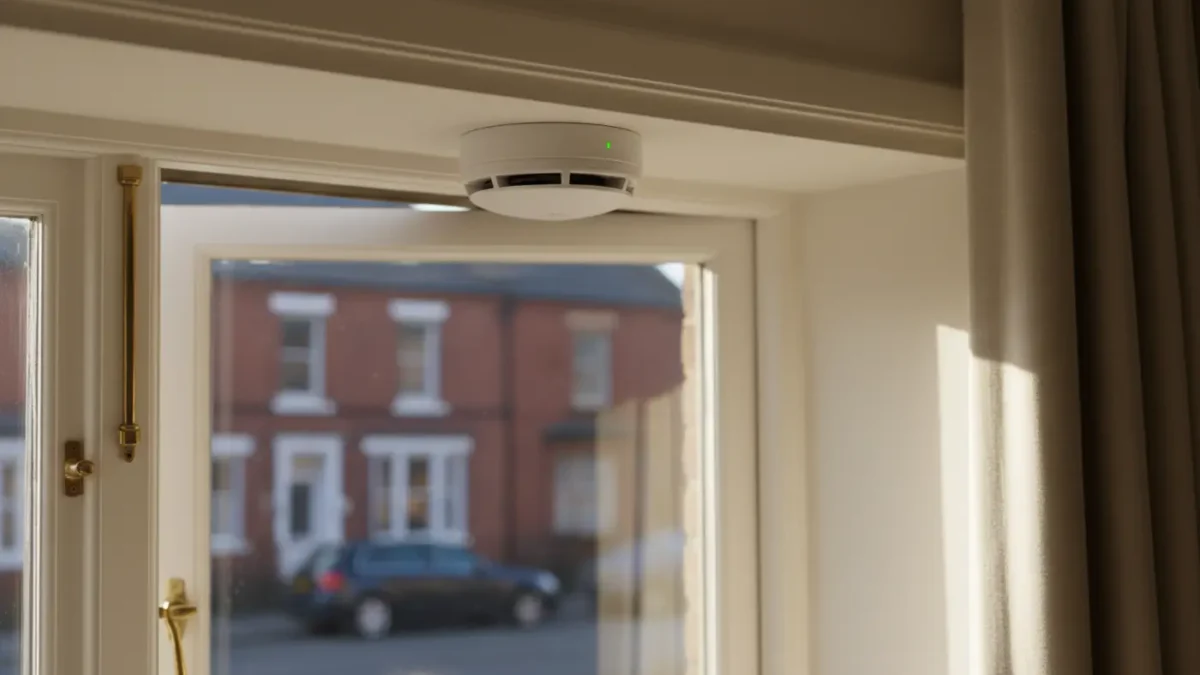
24/7 Fire Alarm Monitoring UK
24/7 fire alarm monitoring insurance SSAIB Manchester means your fire alarm system is connected at all times to an accredited Alarm Receiving Centre. If your alarm activates at 2 am, trained operators receive the signal instantly and follow an agreed response plan without delay. For many businesses across Manchester and the wider UK, this level of monitoring is not just good practice. It is often required by insurers.
Fire safety rules and insurance terms can feel confusing, especially when you are focused on running your business. The key point is simple. If a fire starts when your building is empty, someone must know about it straight away.
At iSecurity Solutions, monitored systems are designed to meet insurance conditions, British Standards, and day to day operational needs. The focus is always on reliable protection, clear advice, and technology that works when you need it most.
How 24/7 Fire Alarm Monitoring Works
In the UK, 24/7 fire alarm monitoring works by linking your fire detection system, installed to BS 5839 Part 1, to an external Alarm Receiving Centre known as an ARC. When smoke or heat is detected, or a manual call point is pressed, the system sends a signal off site using approved transmission equipment that complies with BS EN 54 21. The ARC receives the signal within seconds and follows a pre agreed response procedure.
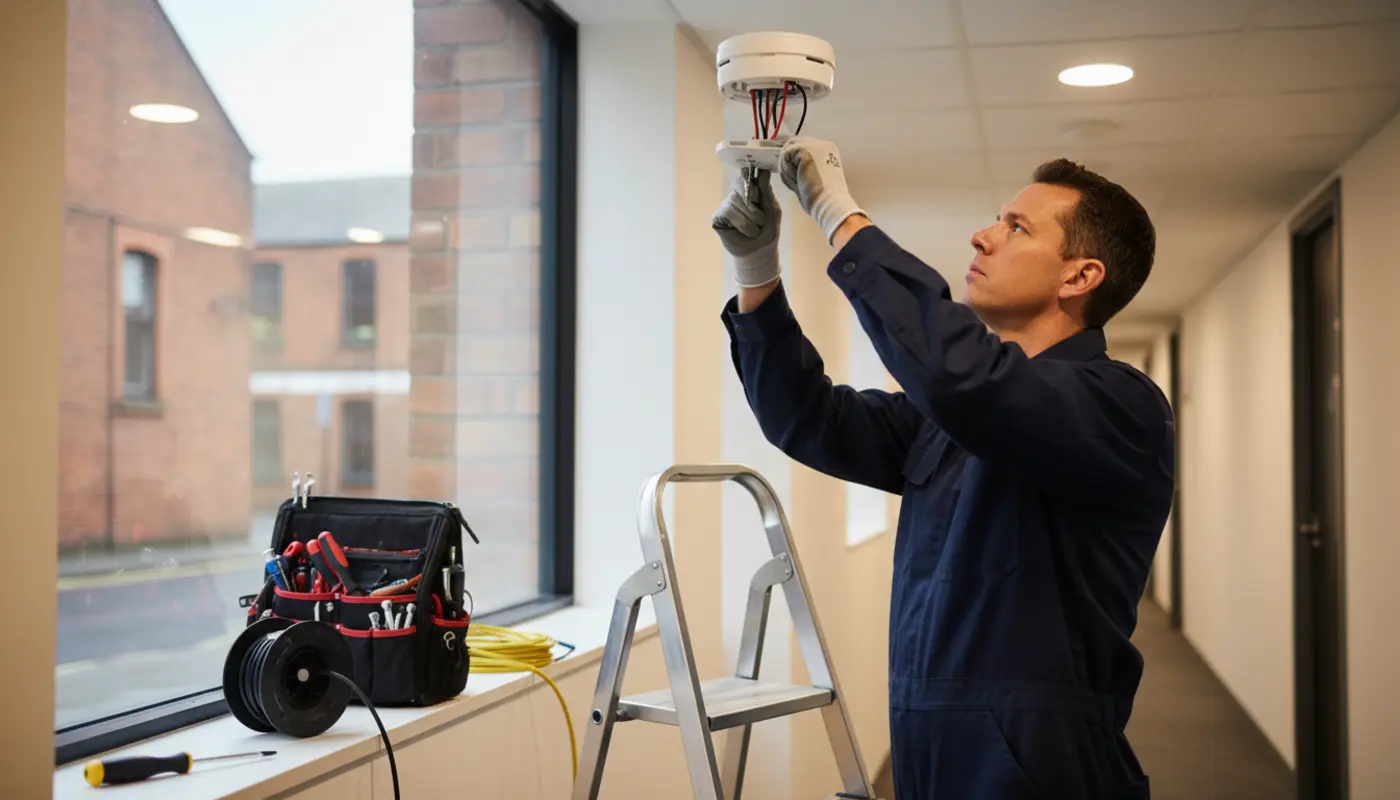
BS 5839 sets out how fire alarm systems in non domestic premises should be designed, installed, commissioned, and maintained. Categories such as L1 and L2 describe how much of the building is covered, with L1 providing the highest level of life protection throughout. Historic England offers a helpful overview of fire detection design standards on its website at Historic England.
Monitoring does not replace your duties under the Regulatory Reform Fire Safety Order 2005. However, it strengthens your fire safety strategy by making sure alarm signals are never ignored, even when the premises are closed.
How BS 5839 And BS EN 54 21 Shape Monitoring
BS 5839 Part 1 includes guidance on connecting systems to remote centres, particularly within Annex C. BS EN 54 21 sets the technical requirements for alarm transmission and fault monitoring. Together, these standards ensure that when a fire alarm activates, the signal is transmitted reliably and that any communication fault is identified quickly.
Recent updates to BS 5839 place stronger emphasis on reducing false alarms and improving signal resilience. Dual path signalling is now widely recommended. This uses two separate communication routes, typically an IP connection and a mobile network path, so that if one fails the other continues to carry the signal.
In simple terms, it adds a safety net. Your alarm may function perfectly inside the building, but monitoring ensures the message gets out as well.
What An Alarm Receiving Centre Does
An Alarm Receiving Centre is a secure, continuously staffed facility that monitors alarm signals from protected premises. When your system activates, ARC operators follow agreed escalation steps. This may include contacting keyholders, confirming site details, and notifying the fire and rescue service where appropriate.
Accredited ARCs work to strict performance standards and log every signal, including fire, fault, and test events. This creates a clear audit trail that can be shared with insurers or enforcing authorities. For businesses managing more than one site, this central oversight provides added reassurance and accountability.
Why SSAIB And Insurance Approval Matter
Accreditation is more than a logo. An SSAIB certified and Insurance Approved fire alarm monitoring system shows that installation and maintenance meet recognised industry standards. Insurers often expect this level of certification before offering full policy terms.
Without SSAIB certification and connection to an accredited ARC, businesses may face higher premiums, increased excesses, or policy restrictions. It is always wise to review your insurance documents carefully and confirm what level of compliance is required.
Monitored Vs Unmonitored Fire Alarms
An unmonitored fire alarm sounds within the building only. If nobody is present to hear it, no action is taken until the fire is discovered. A monitored system automatically sends a signal to an ARC, which begins the response process immediately.
From an insurance point of view, monitored systems often result in more favourable terms because they reduce the chance of a fire burning unnoticed for hours. Unmonitored systems may meet minimum legal duties, but they can leave gaps in protection outside working hours.
For higher risk premises such as HMOs, enhanced monitoring often forms part of a broader compliance plan. More detail can be found in our guidance on fire alarms for HMOs in Manchester.
How Monitoring Supports Fire Service Response
There is a common belief that every automatic fire alarm guarantees immediate fire brigade attendance. In reality, many UK fire and rescue services have policies to reduce unwanted fire signals. Repeated false alarms can result in reduced attendance or call out charges.
Monitoring helps manage this risk. ARC operators follow agreed verification steps before escalating incidents, depending on local fire service policy. This structured approach supports false alarm reduction strategies and helps avoid unnecessary disruption and unexpected costs.
Red Care And Dual Signalling Protocols
In the UK, signalling systems such as Red Care, DualCom, and WebWayOne are widely used for remote fire monitoring. These solutions provide dual path signalling, meaning two communication channels are constantly supervised.
If the main path fails, for example due to a broadband outage, the secondary path continues to transmit alarm signals. This resilience is especially important for warehouses, multi occupancy buildings, and larger commercial premises where downtime presents serious risk.
Insurance And FCA Regulated Broker Expectations
When arranging commercial insurance, insurers and FCA regulated brokers closely assess how fire risk is managed. In sectors such as manufacturing, hospitality, care, and multi let buildings, monitored fire alarms are often a condition of cover.
They normally require confirmation that the system complies with BS 5839, is maintained under contract, and is connected to an accredited ARC. A formal fire alarm service contract in Manchester provides documented inspections, testing records, and certification that can be crucial during a claim.
Without monitoring, policies may include higher excesses or exclusions for out of hours losses. Clarifying this in advance avoids unpleasant surprises later.
Regulatory Drivers Businesses Must Know
The Regulatory Reform Fire Safety Order 2005 places responsibility on the responsible person to ensure suitable fire detection and warning systems are installed and maintained. The full legislation is available at legislation.gov.uk.
The Building Safety Act 2022 has strengthened accountability, particularly in higher risk residential buildings. While monitoring is not mandatory in every case, it supports compliance by ensuring alarm signals are recorded, responded to, and traceable.
Clear documentation and reliable monitoring can make a significant difference if your fire safety arrangements are ever reviewed or investigated.
Cost Implications For UK Businesses
Costs for 24/7 fire alarm monitoring usually include signalling equipment, ARC connection fees, and ongoing monthly or annual charges. The exact amount depends on the size of the premises and the type of signalling used.
For many small and medium sized businesses, the monthly cost is manageable when compared with the financial impact of a serious uninsured loss. Some insurers also offer improved terms where dual path signalling and accredited maintenance are in place.
Businesses investing in wider fire safety services often combine monitoring and maintenance to achieve better value and simpler compliance management.
Choosing An Accredited Monitoring Provider
When selecting a provider, look for SSAIB certification and Insurance Approved status. Review service level agreements carefully and ask how quickly alarm signals are handled. It is also important to understand how faults are reported and how false alarms are managed.
Ensure that commissioning certificates, maintenance records, and compliance documentation will be provided. A professional provider will explain everything clearly, without hiding behind technical language.
Key Questions To Ask Before You Buy
Ask whether the signalling is single or dual path, whether the ARC is fully accredited, and how escalation procedures operate. Confirm contract terms, upgrade options, and cancellation conditions before committing.
It is also sensible to review your wider fire strategy. A current fire risk assessment for businesses in Manchester carried out under PAS 79 principles will confirm whether your existing system category remains suitable.
Final Thoughts On 24/7 Fire Alarm Monitoring
24/7 fire alarm monitoring provides reassurance that if a fire starts outside working hours, action begins immediately. For many UK organisations, particularly those with insurance conditions to meet, it is a practical and responsible investment.
An SSAIB certified and Insurance Approved monitored system, supported by proper maintenance and risk assessment, forms a strong and defensible fire safety strategy for 2026 and beyond.